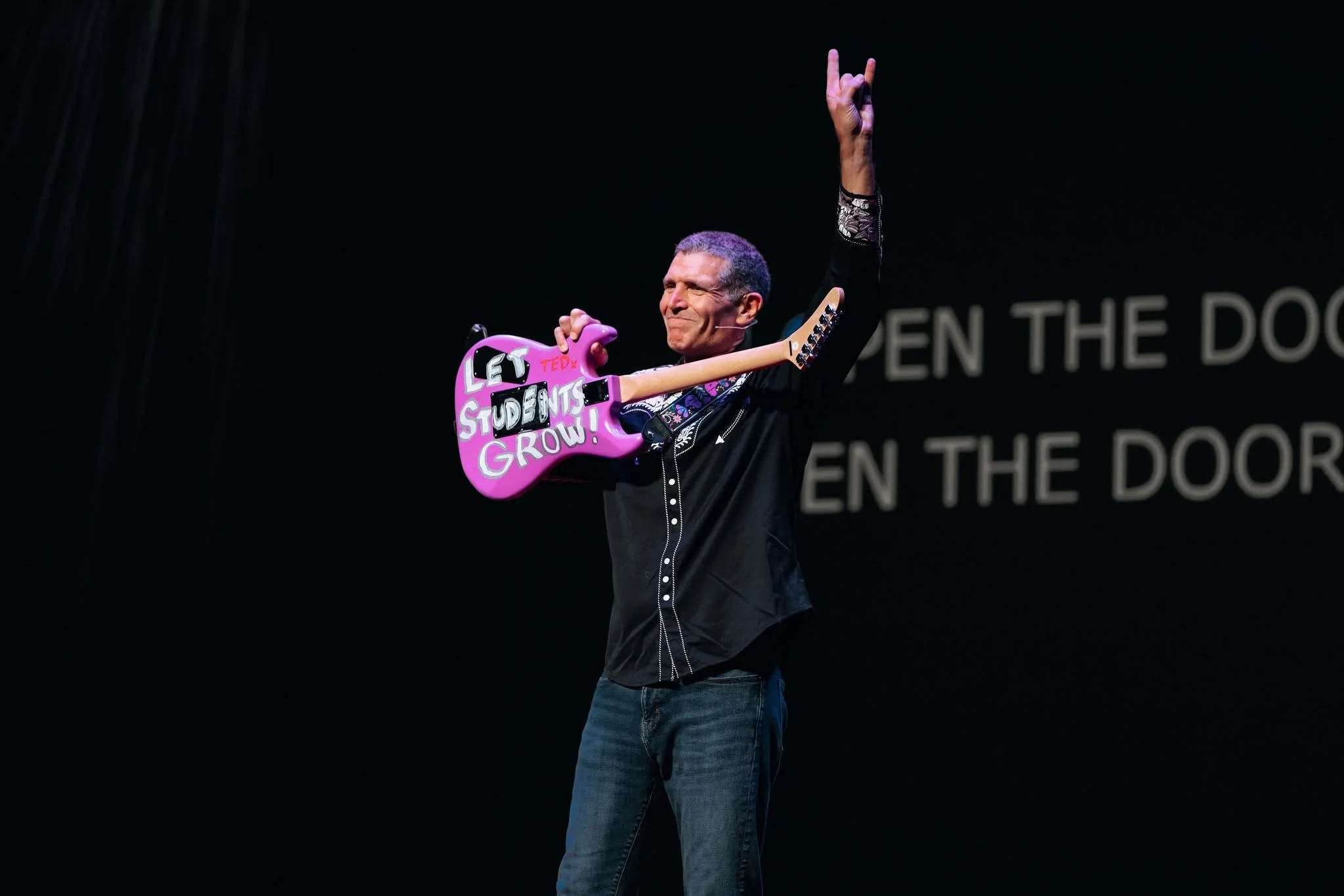
Music education should reach more students.
My work focuses on expanding access through teaching, research, tools, and community-based programs so more students can find their place in music.
Music is for EVERYONE
Music education is stuck in the past - Let’s Fix It
What if the reason students are walking away from music isn’t because they’ve changed—but because school music hasn’t?

The Flipside is a space for rethinking music education. Through honest reflection, bold ideas, and real-world experiences, this blog challenges traditional assumptions and explores what music learning can become. From modern band and inclusive practices to creativity, community, and lifelong musicianship, The Flipside looks beyond “the way it’s always been” and asks what truly serves students.
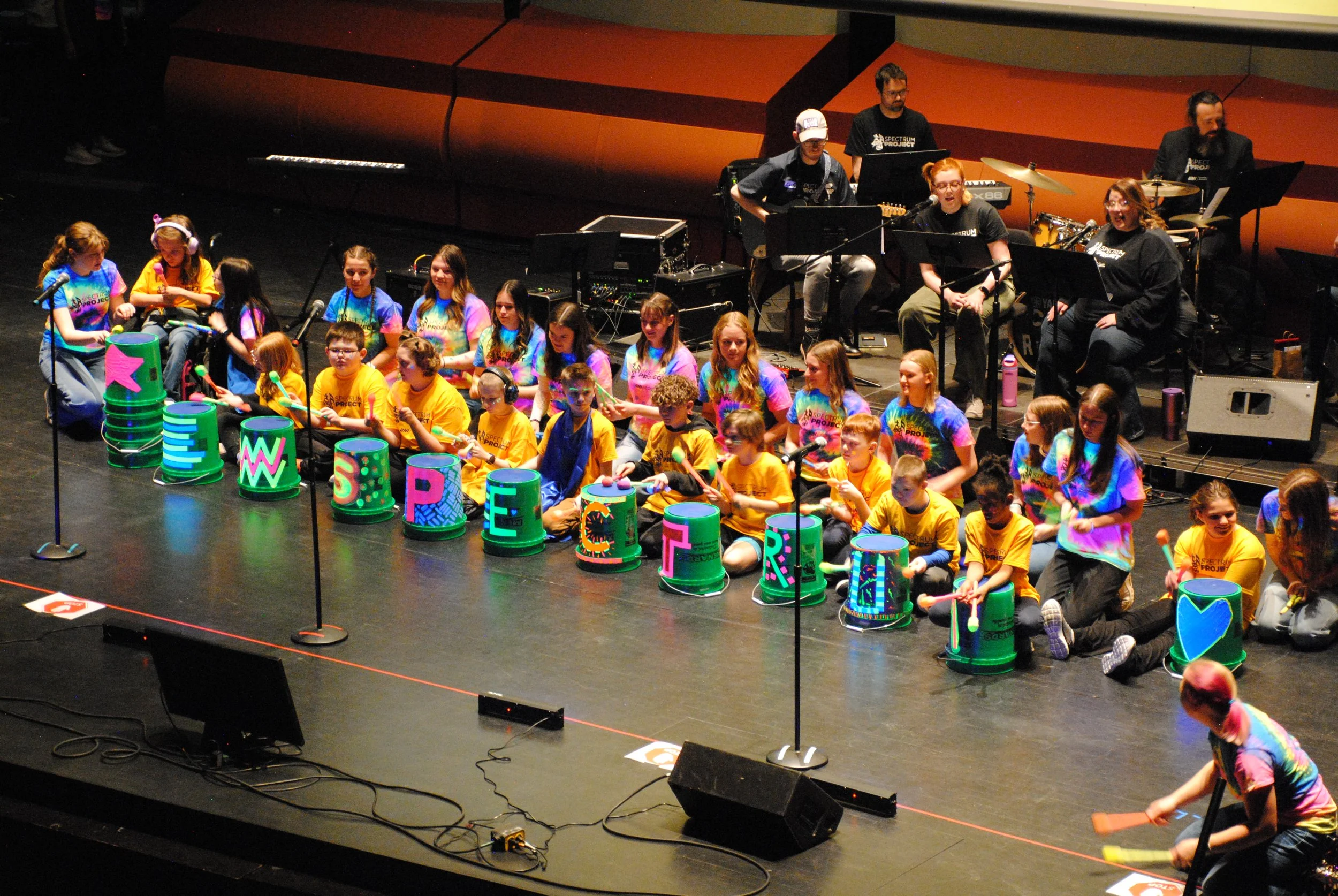
Spectrum Project
The Spectrum Project brings together children of all abilities, UNI students from diverse fields, and the community to co-create music, drama, dance, and art. Our mission is to expand arts access, celebrate creativity, and inspire more inclusive communities.
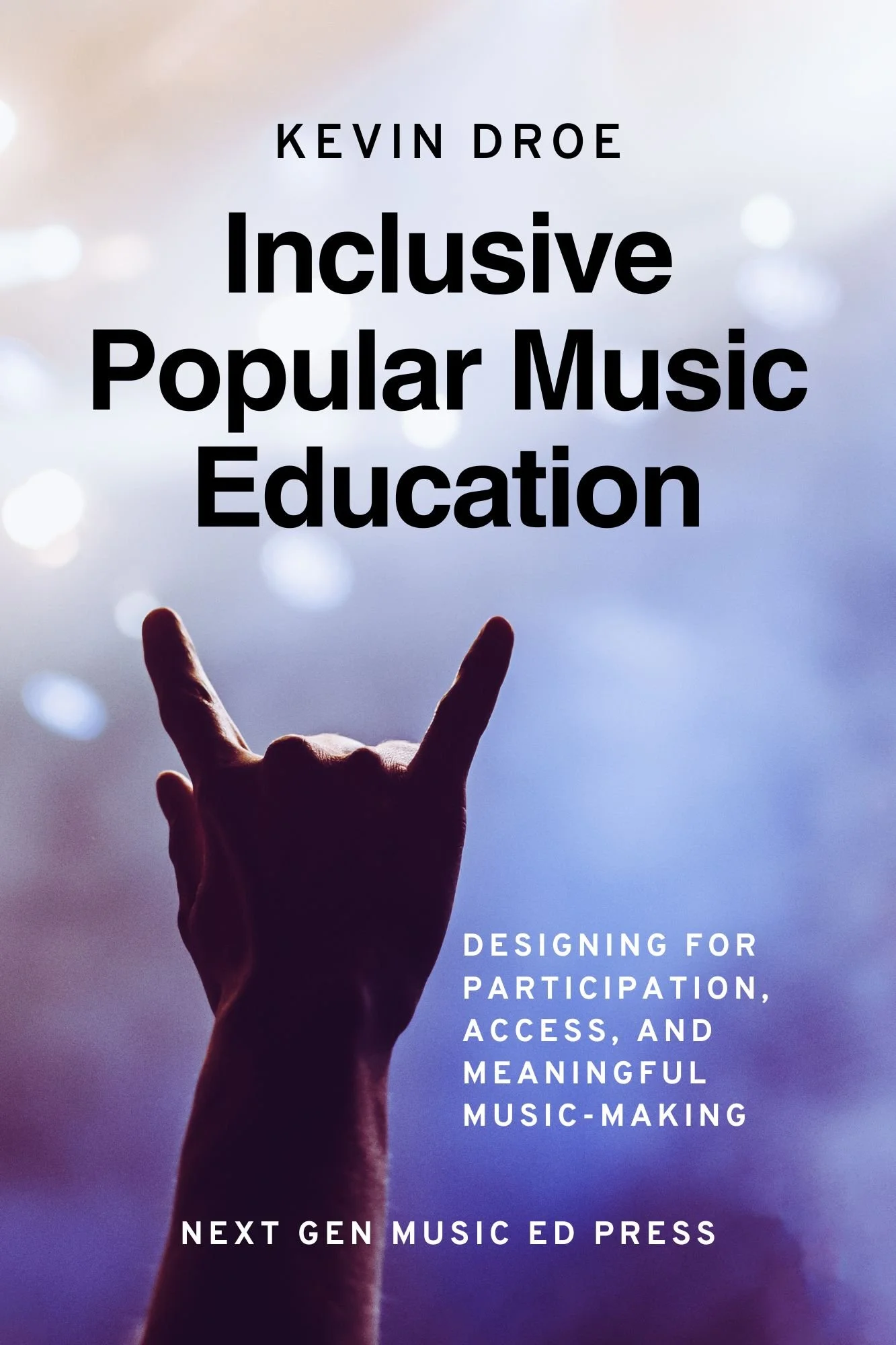
Inclusive Popular Music Education
Most school music programs were not designed for all students. They were built for those who could already play, read music, or fit into existing ensembles. As a result, many students never see themselves as musicians—not because they lack interest, but because there is no clear way for them to participate.
Inclusive Popular Music Education offers a different approach.
This book reimagines music education as a space where all students can contribute, create, and belong. Drawing on real classroom experiences and community-based programs like the Spectrum Project, it shows how popular music, modern band, songwriting, digital production, hip hop, and music technology can expand access while maintaining meaningful musical learning.
Rather than focusing on performance alone, this book centers what it calls meaningful music-making: experiences grounded in contribution, personal expression, belonging, and engagement. Through this lens, teaching shifts from directing outcomes to designing and facilitating environments where students can participate in ways that are authentic and sustainable.
Each chapter provides concrete examples and adaptable strategies for teachers, including how to structure ensembles, support diverse learners, prepare students for participation, and navigate the complexities of real classrooms. The goal is not to replace traditional music programs, but to expand what is possible so that more students can find a place in music.
Written for current and future music educators, this book speaks to those who want to reach students who have been overlooked, create more inclusive classrooms, and rethink what it means to teach music in today’s schools.
At its core, this is a book about access, identity, and the belief that music education can belong to everyone.