
THE FLIPSIDE
The Flipside is a space for rethinking music education. Through honest reflection, bold ideas, and real-world experiences, this blog challenges traditional assumptions and explores what music learning can become. From modern band and inclusive practices to creativity, community, and lifelong musicianship, The Flipside looks beyond “the way it’s always been” and asks what truly serves students.
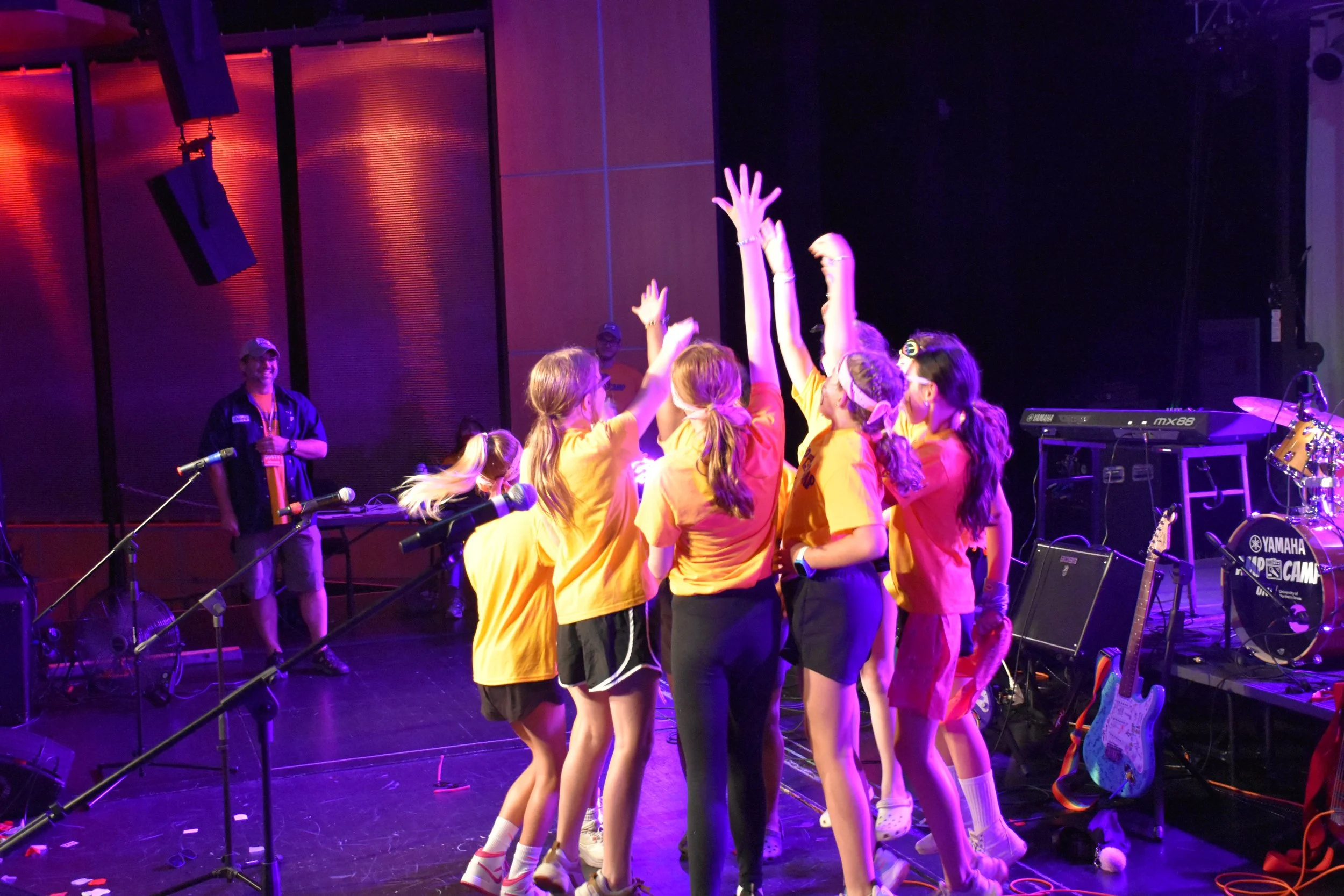
The Unequal Disclaimer: Why Does Modern Band Advocacy Sound Like an Attack?
Modern band educators are sometimes treated as anti-band simply for advocating passionately for what they teach. Yet band, choir, and orchestra directors routinely celebrate their ensembles without apology. Why the unequal standard? Perhaps equity in music education also means giving every educator permission to love, advocate for, and critically examine their approach without having to defend it against the traditions already at the center.
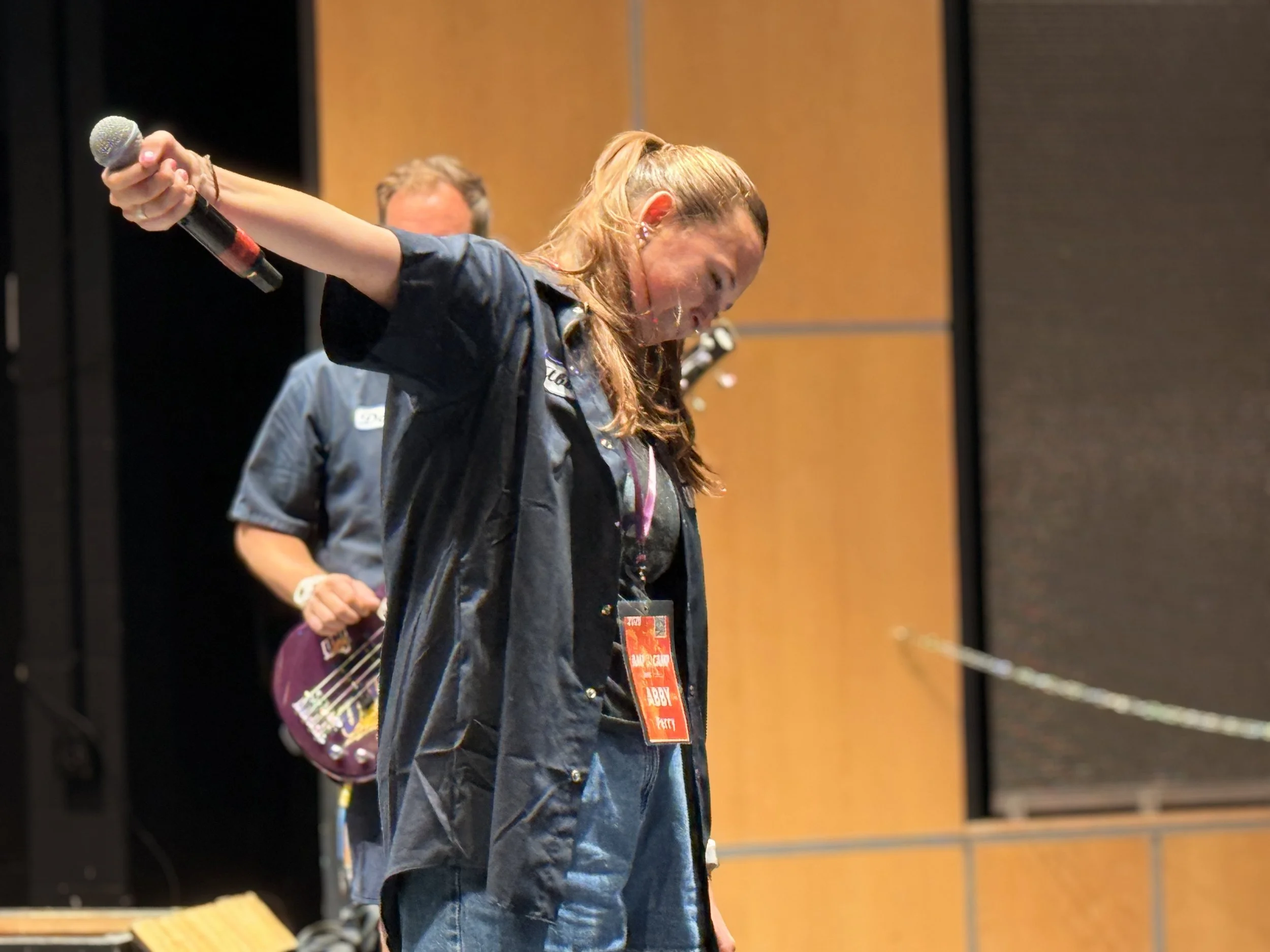
Before the Students Took the Stage, Their Coaches Did
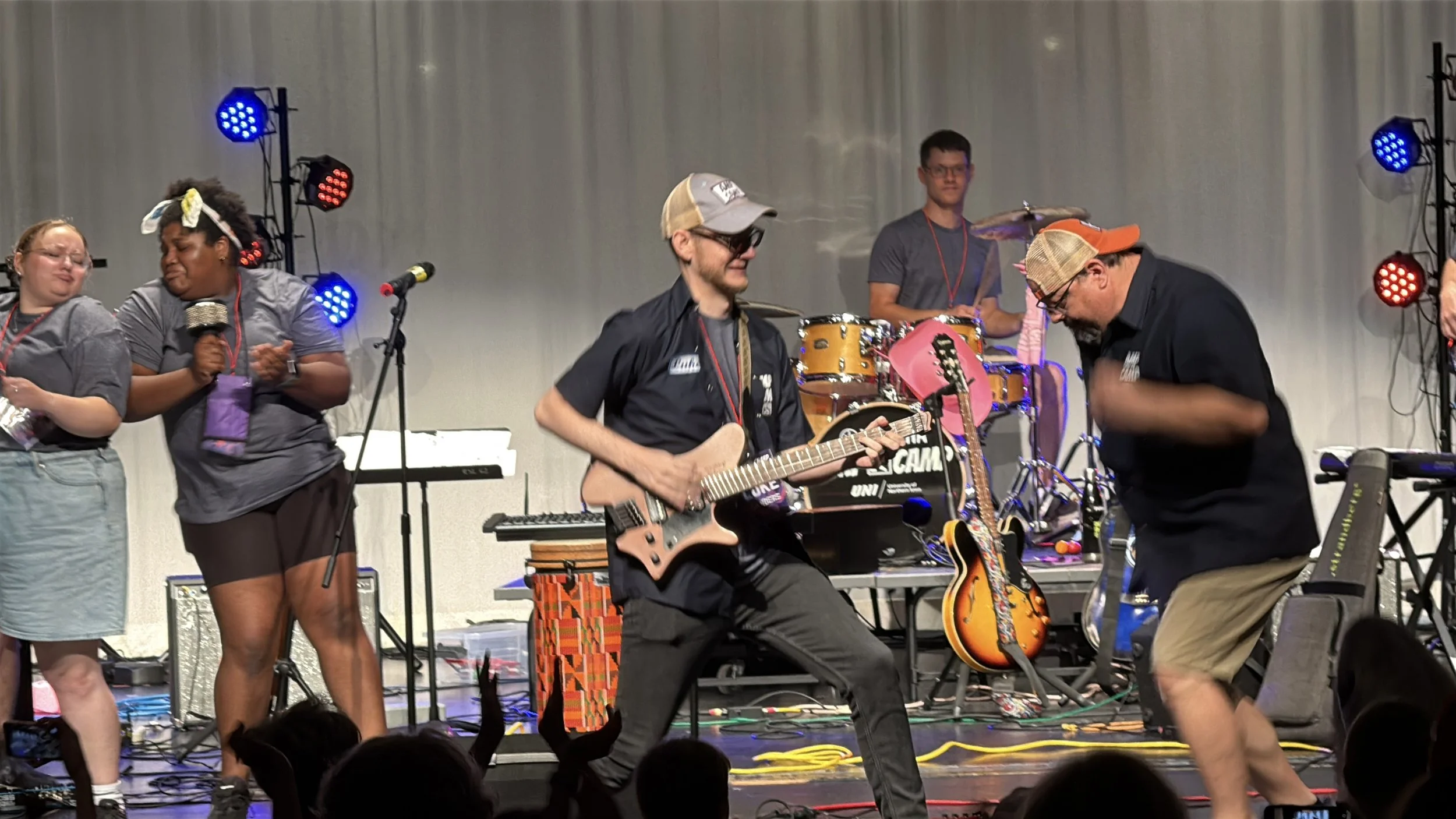
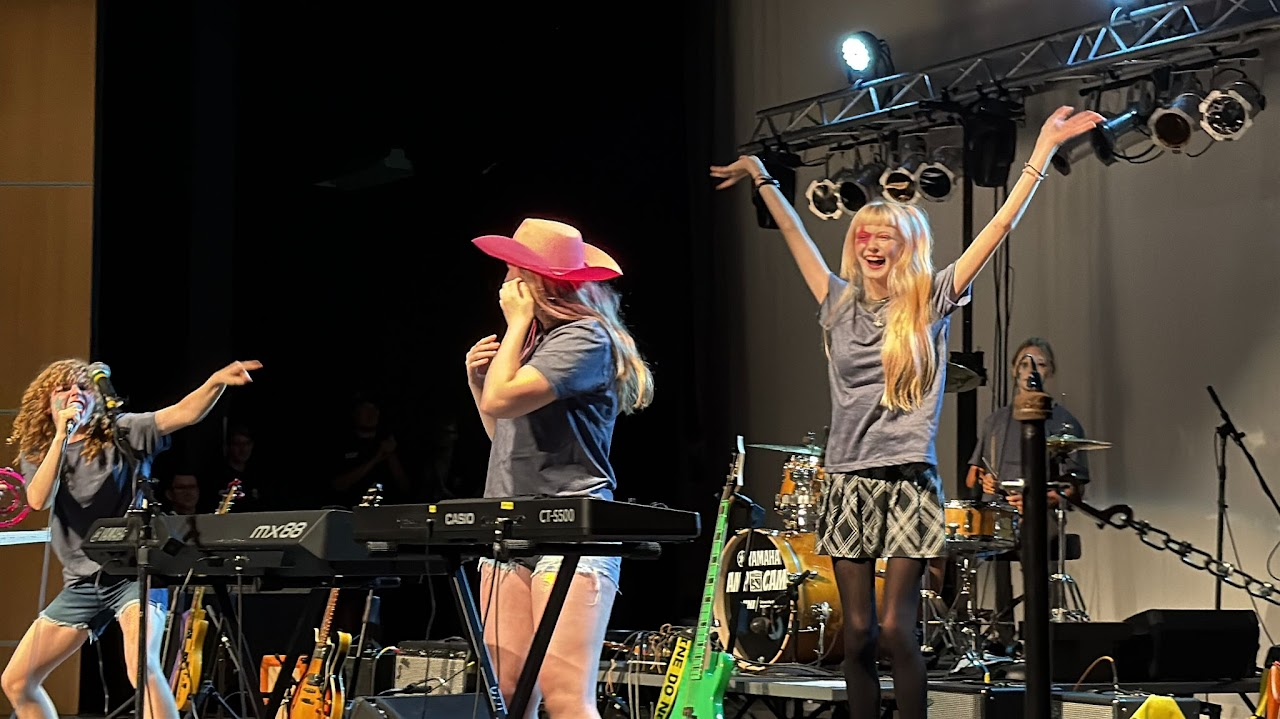
At Amp Camp, students learned performance by watching their own teachers and coaches take the stage. Staff bands modeled how musicians embody music, connect with one another, and share energy with a crowd. Meanwhile, campers practiced being enthusiastic audience members. Together, these experiences transformed the final concert into a joyful community celebration rather than a formal recital under quiet observation.
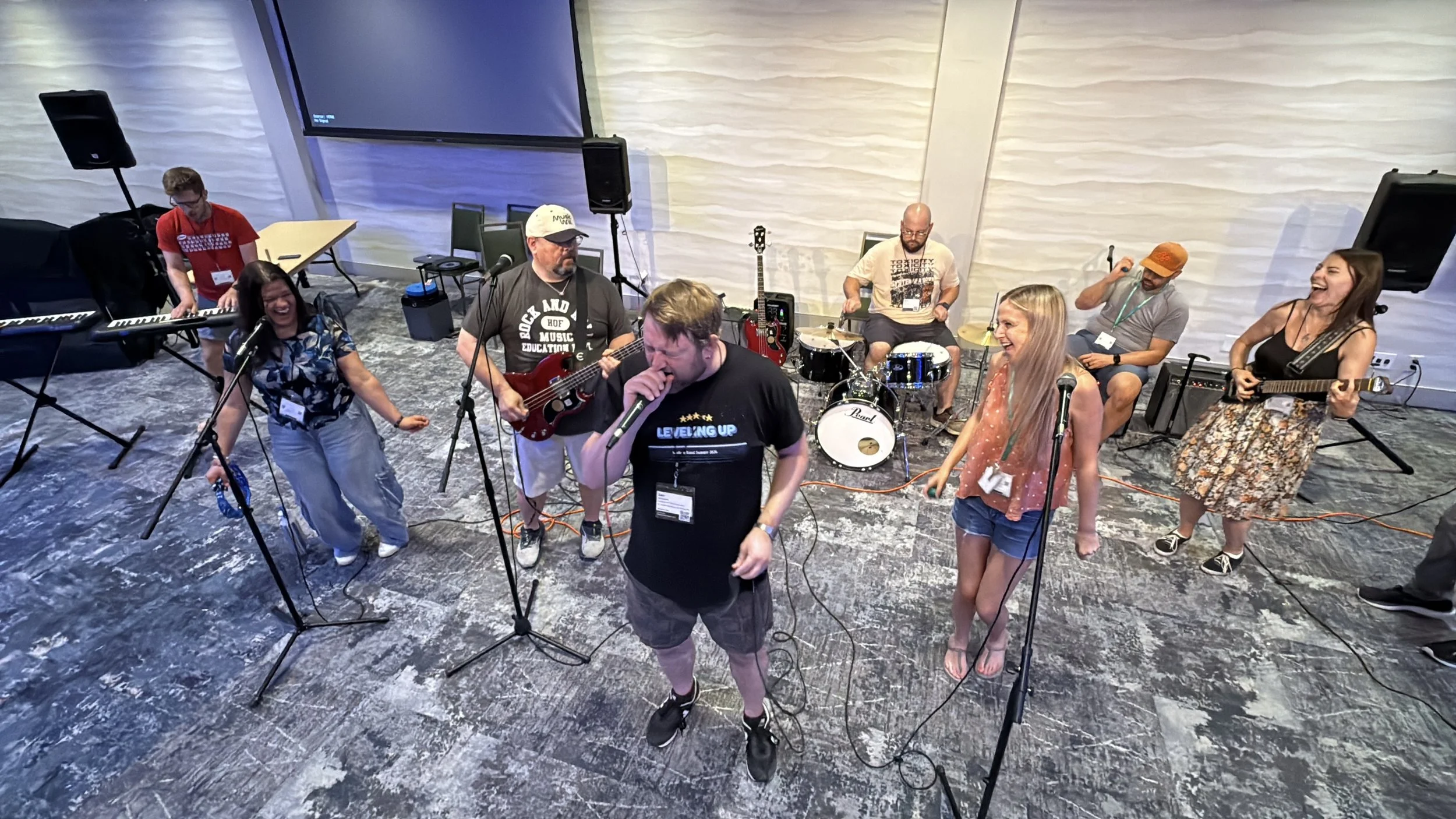
The Teacher as the Band's Biggest Fan
We spend countless hours rehearsing notes, rhythms, and dynamics, but do we ever rehearse connecting with an audience? After leading a band at the Modern Band Summit, I began wondering if students perform the way they practice, not just musically, but socially. What if teachers became their students' biggest fans before the concert ever begins?
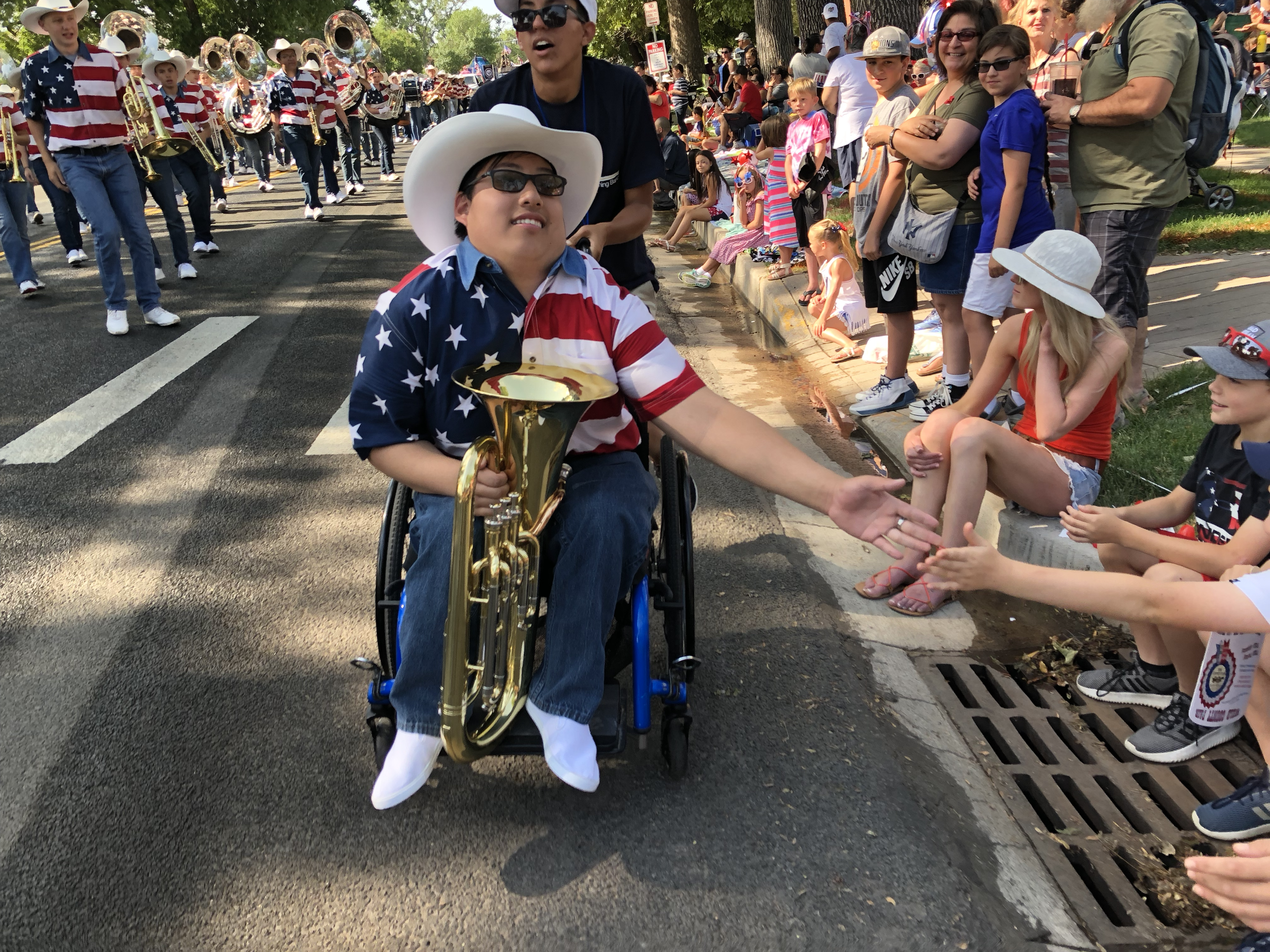
The Sharing Phase: Designing for Contribution
Designing Musical Growth – Essay 4
What is music ultimately for? Technical fluency and embodied participation are essential, but they are not the final destination. In this concluding essay of the Designing Musical Growth series, I explore how music becomes an act of generosity, something we offer rather than demonstrate, and why helping students contribute through music may be one of the highest purposes of music education.
The Embodiment Phase: Designing for Participation
Designing Musical Growth – Essay 3
What happens after students learn the notes? Too often, we assume expression will naturally follow. In this essay, I introduce the Embodiment Phase—the point where students move beyond simply producing music and begin participating through their whole body. Discover why movement isn't
The Technical Phase: Designing for Fluency
Designing Musical Growth – Essay 2
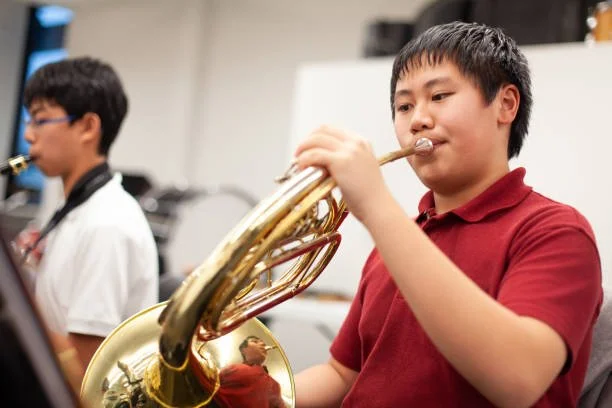
Technical fluency is essential, but it isn't the destination of music learning. In this essay, I explore how Cognitive Load Theory helps explain why students often look like "statues" when learning new music and why that's a normal part of the process. More importantly, I argue that the Technical phase should be intentionally designed to prepare students for ownership, expression, and meaningful musical connection.
What Kind of Musician Are We Trying to Develop?
Designing Musical Growth – Essay 1
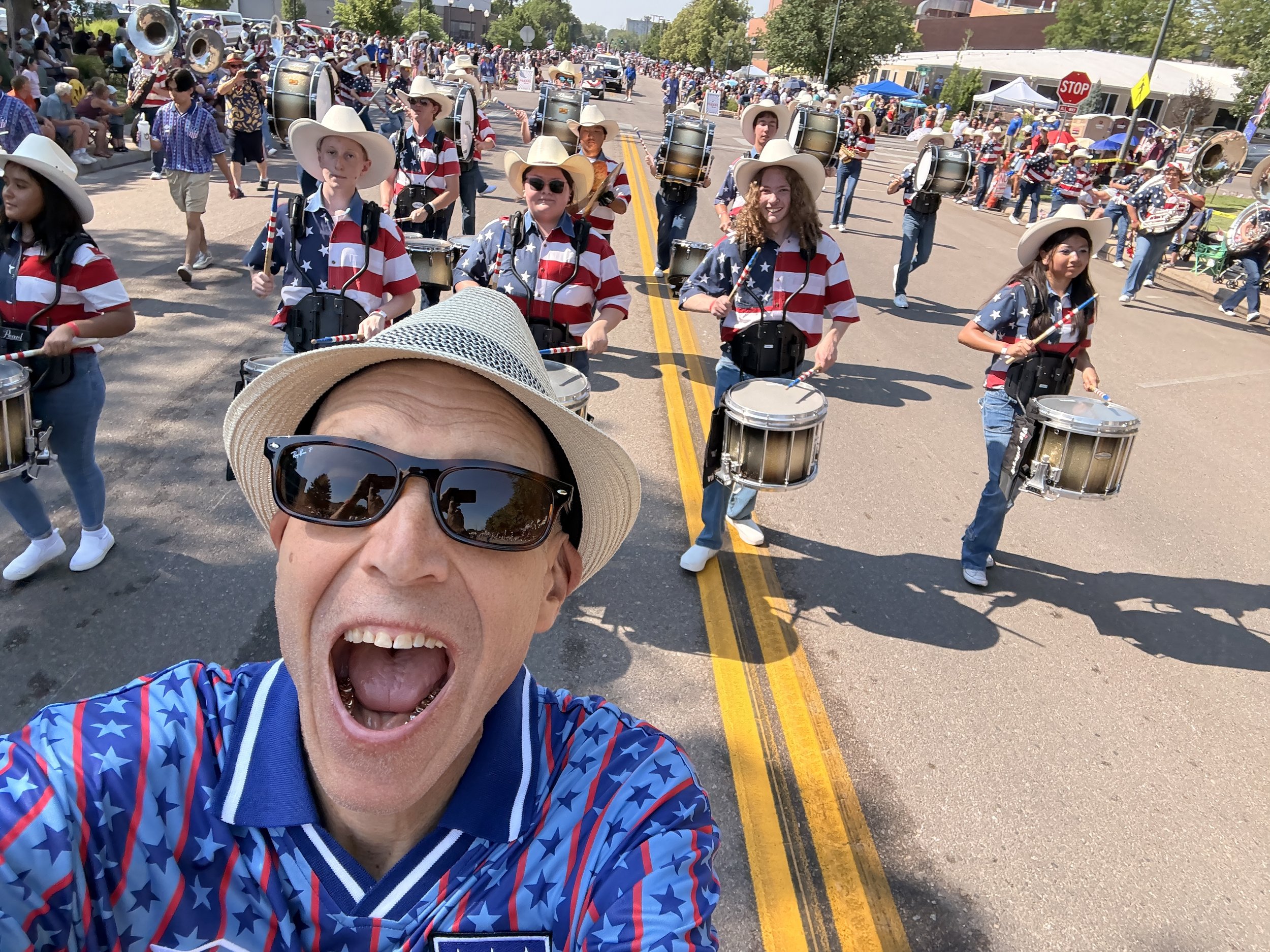
That simple question has reshaped how I think about music education. In this essay, I introduce a new framework for understanding musical growth—not just as technical development, but as a journey from Technical, to Embodiment, to Sharing. What if the ultimate goal of music education is helping students use music to make a difference in someone else's life?

What Kind of Musician Does a Music Teacher Need to Be?
For decades, music teacher preparation has often borrowed its definition of musicianship from performers. But teaching music may require a different kind of expertise. This article explores why adaptability, breadth, and lifelong learning may be just as important as specialization in preparing the next generation of music educators.
Preparing Students for Musical Life
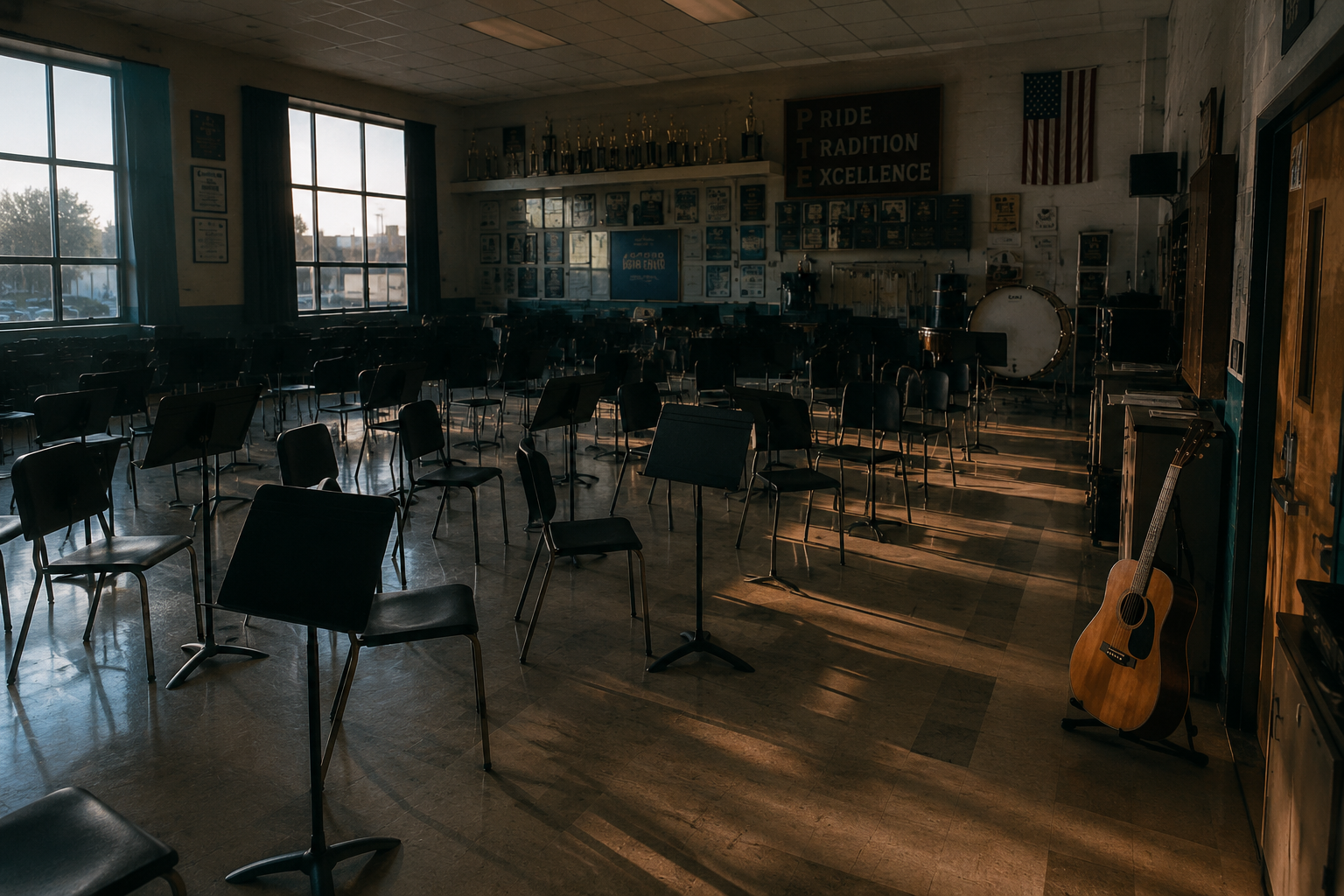
What is school music actually preparing students for once school ends? In this reflective essay, Kevin Droe explores the difference between performing music and truly participating in music, questioning whether traditional ensemble models fully prepare students for lifelong musical engagement. The piece examines self-directed musicianship, creativity, and the need to reconnect music education with real human musical life beyond school walls.
I Thought Music Teachers Had to Stand at the Center of the Room
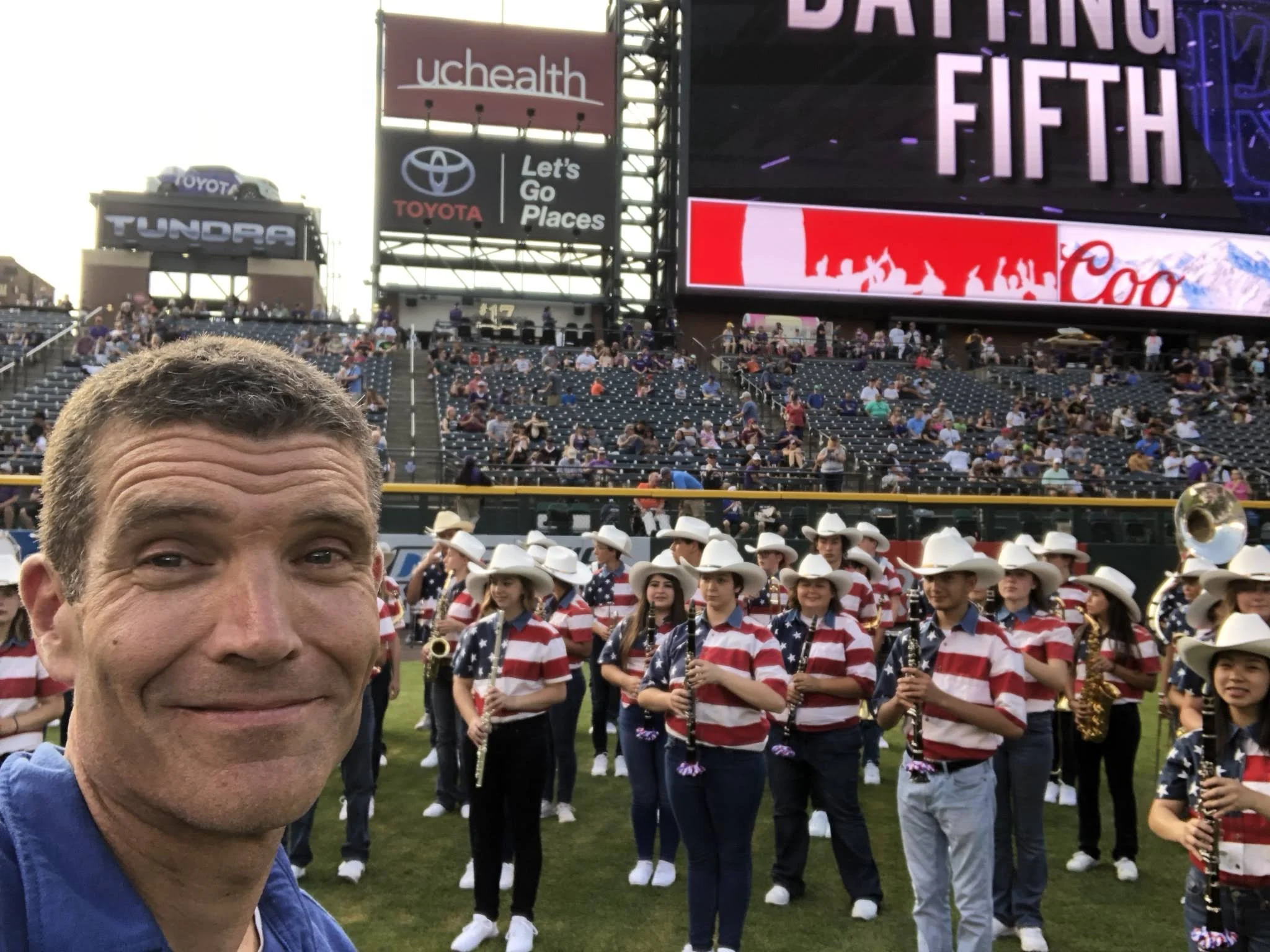
I used to think becoming a music teacher meant becoming the person at the center of the room: confident, commanding, comfortable with everyone watching. The problem was, that never fully felt like me. For years, I thought something was wrong with that. This post is about discovering that teaching does not have to look only one way and neither does leadership.
My Students Aren’t Wrong: Part 3 - They Sit Still Because We Trained Them To
In Part 3 of “My Students Aren’t Wrong,” I reflect on watching modern band students sit motionless in rehearsal, not because they lacked passion, but because they were performing exactly how music education trained them to perform. This post explores the difference between technical accuracy and human connection, and asks what might happen if music education focused more on communication, energy, and audience engagement.
My Students Aren’t Wrong: Part 2 - They Want to Be the Conductor
In Part 2 of the “My Students Aren’t Wrong” series, I explore a question that has puzzled me for years: Why do some music education students seem more interested in conducting ensembles than working with children? I argue that students are responding logically to the systems they experienced. When musical value appears to come primarily from the conductor, it makes sense that students would aspire to become that person. But what happens when classrooms distribute value through creativity, participation, and shared music-making instead?

My Students Aren’t Wrong: Part 1 - But They’ve Been Given a Narrow Version of Music
Students who value ensembles, lessons, and traditional pathways in music are not wrong. Their experiences are meaningful and have shaped how they understand music. The challenge is that these experiences are often limited in scope. When music education centers only conductor-led ensembles and teacher-directed learning, students come to see those as the definition of music-making. Rather than dismissing this, the goal is to expand it. When students experience creating, collaborating, and making their own musical decisions, their understanding grows into something broader and more personal.
Who Shouldn’t Be in Music?
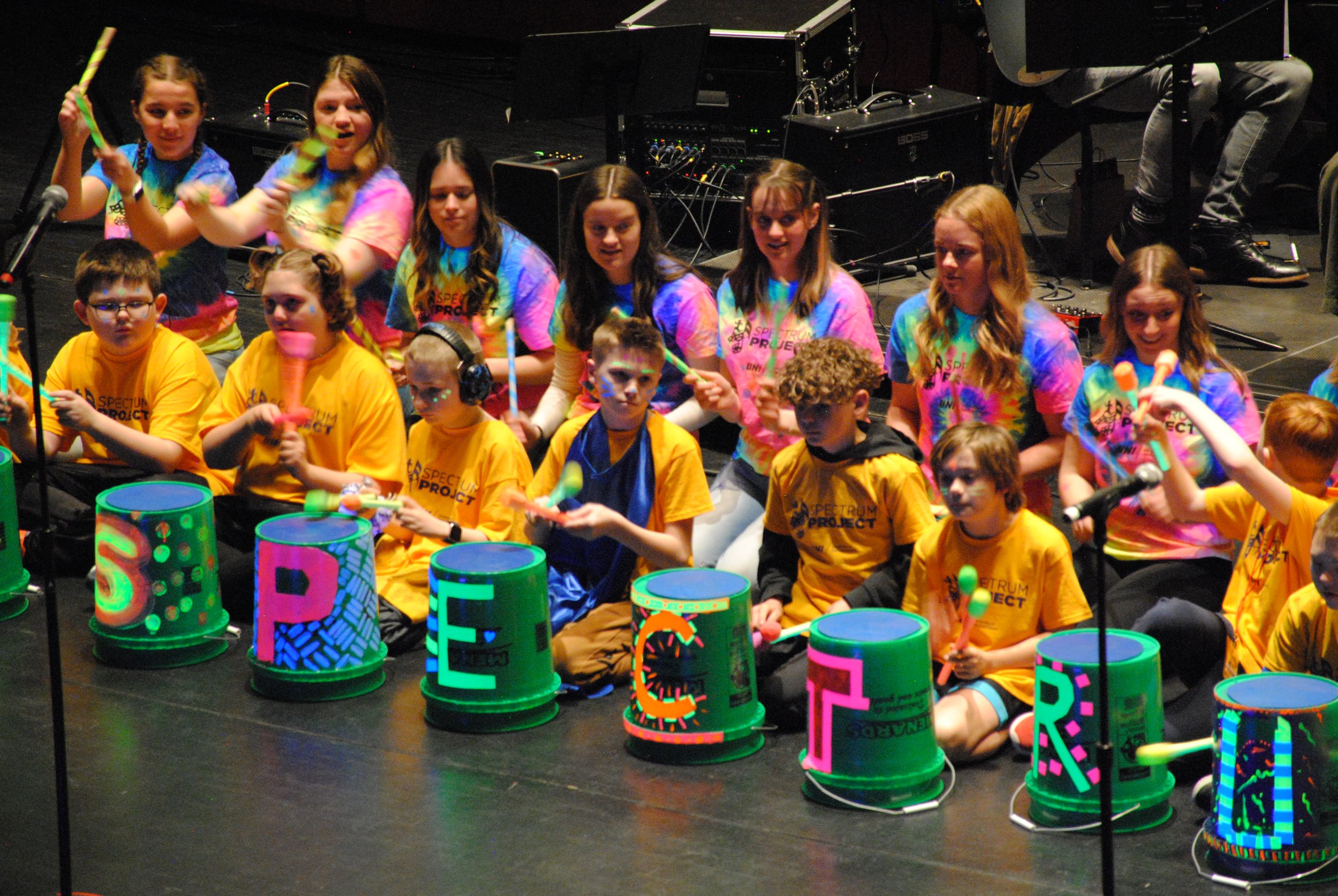
We often debate how many students participate in school music, but what if we’re asking the wrong question? Instead of focusing on percentages, this post explores a deeper idea: can we actually name a student who wouldn’t benefit from music? While many students don’t fit traditional ensembles, it’s hard to imagine anyone who wouldn’t benefit from creating, expressing, or connecting through music in some way.
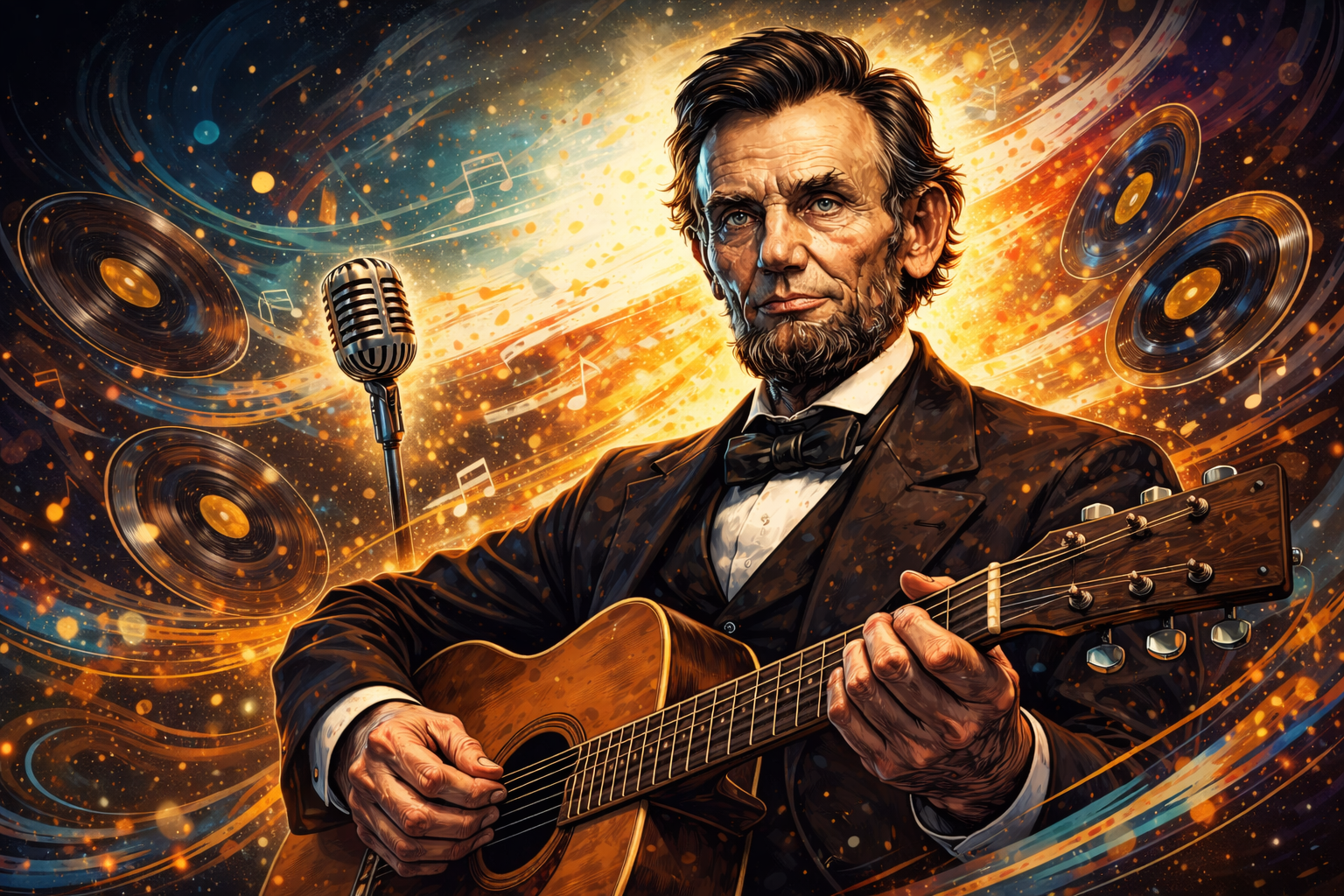
Music Education of the People, by the People, for the People
When Abraham Lincoln described a government of the people, by the people, for the people, he offered more than a political ideal. He offered a way to think about systems that truly belong to those they serve. Music education can reflect that same vision. It can begin with students’ musical lives, invite them to create and make decisions, and expand access so more learners can participate meaningfully. The question is not just what we teach, but who music education is ultimately for.

The 80% We’re Missing: Why School Music Isn’t Reaching Most Students
We often celebrate that around 20% of students participate in school music programs. But what if the more important number is the other 80%? In a recent conversation on the Choralosophy Podcast, I was asked whether that 20% represents success. It’s a fair question—and one that has stayed with me. But the more I’ve thought about it, the more I’ve begun to wonder if we’re asking the wrong thing.
Music Literacy Is More Than Reading Notes
Music literacy is often reduced to reading notation, but that definition misses much of what it means to truly engage with music. This post explores a broader view of literacy that includes decoding, understanding, and expression, and how fluency connects them all.
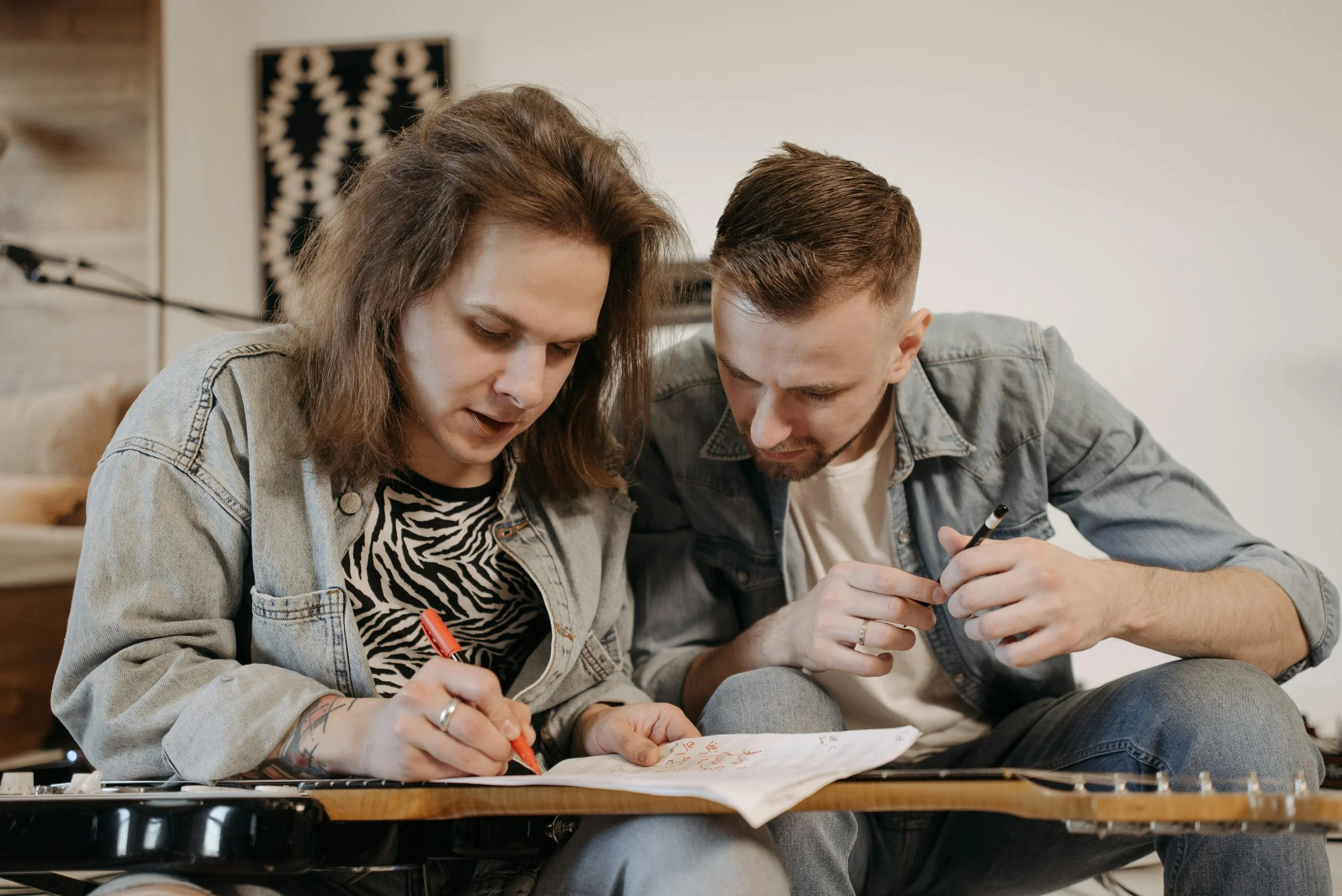
It’s Not the Ensemble. It’s the Decisions.
What if the most important question in music education isn’t what we teach, but who gets to make the decisions? This post explores how the structure of our classrooms shapes the kind of thinking students experience, and why that matters for creativity, ownership, and lifelong music-making.
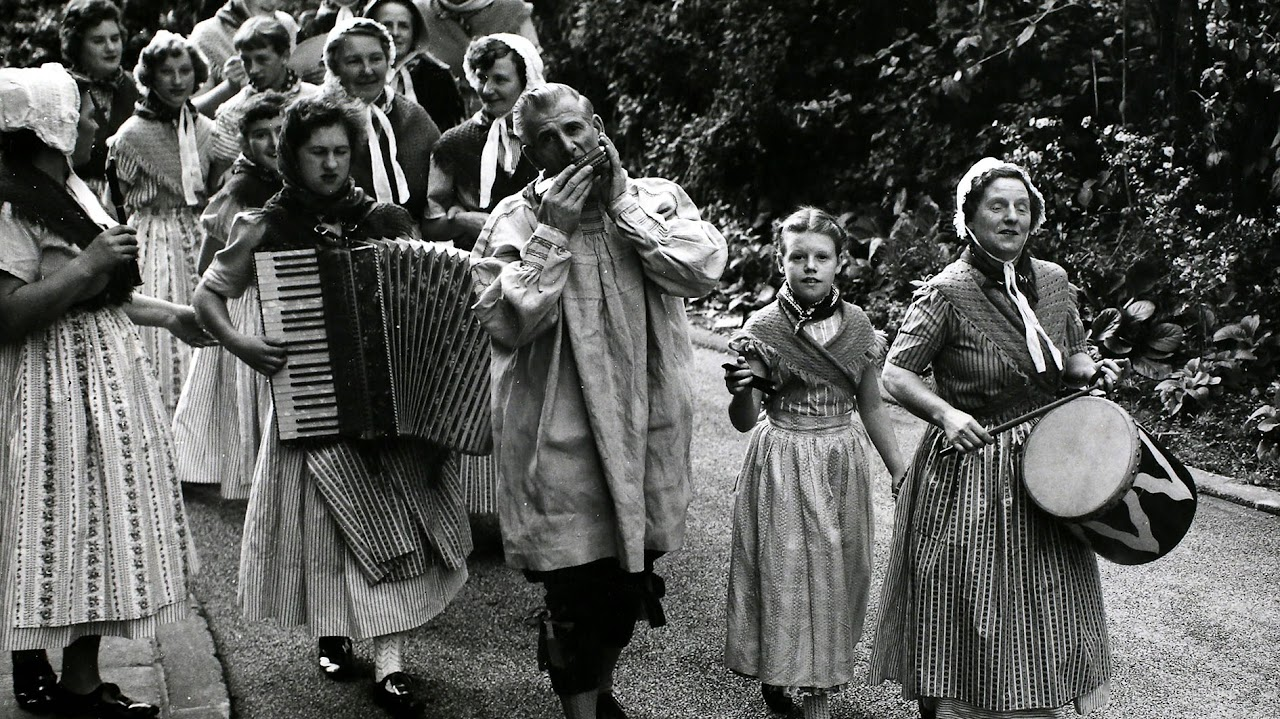
Before the Band Room: What School Music Forgot
School music often centers on large ensembles, but that model represents only a small slice of how humans have historically made music. This article explores how participatory traditions—singing, improvising, and playing in small groups—shaped music for centuries, and why modern band reconnects classrooms with these deeper roots of human music-making.
Accurate but Lifeless?Designing Musically Alive Ensembles (Part 2)
Part 2 moves from analysis to application, translating research on engagement, cognition, and identity into practical rehearsal strategies. Through small shifts in rehearsal design (reducing notation dependence, increasing student agency, encouraging movement, fostering interaction, and framing performance as communication), directors can cultivate ensemble environments where technical accuracy and musical vitality thrive together.