
Teaching
I design music learning experiences that center creativity, inclusion, and human expression, helping students engage in music as something they actively create, share, and live.
Graduate Courses
-
This course explores learner-centered teaching as an approach that prioritizes active engagement, collaboration, and student agency. Students critically examine the differences between learner-centered and teacher-centered environments while designing, implementing, and evaluating their own teaching approaches. Through readings, discussion, and applied projects, the course emphasizes learning as something students construct, not something delivered.
-
This course focuses on how music education can expand access, participation, and belonging. Rather than prescribing specific methods, it challenges students to examine assumptions about learning, teaching, and success. Through critical engagement with research and reflection on practice, students develop professional judgment about how instructional design, group structures, and assessment shape who participates in music and how they experience it.
-
This course introduces the foundations of research in music education, including both quantitative and qualitative approaches. Students learn to analyze research, design studies, and apply basic statistical and methodological tools. Through hands-on projects such as mini-experiments and a research proposal, students develop the skills needed to investigate questions in music education and contribute to the field through thoughtful, systematic inquiry.
-
Item This course explores current and emerging ideas shaping the field of music education. Through readings, guest speakers, and discussion, students examine a wide range of pedagogical approaches and perspectives. Emphasis is placed on critical thinking, professional dialogue, and the ability to evaluate new ideas in relation to one’s own teaching. Students engage directly with researchers and practitioners, developing a broader and more informed view of the profession.description
-
This course examines how people learn music through the lens of behavioral and cognitive theory. Students develop skills in observing, measuring, and analyzing musical behaviors, while exploring how teaching decisions shape learning outcomes. Through research reviews, observation projects, and applied experiments, students connect theory to practice and learn to make informed instructional choices grounded in evidence and reflection.
Undergraduate Courses
-
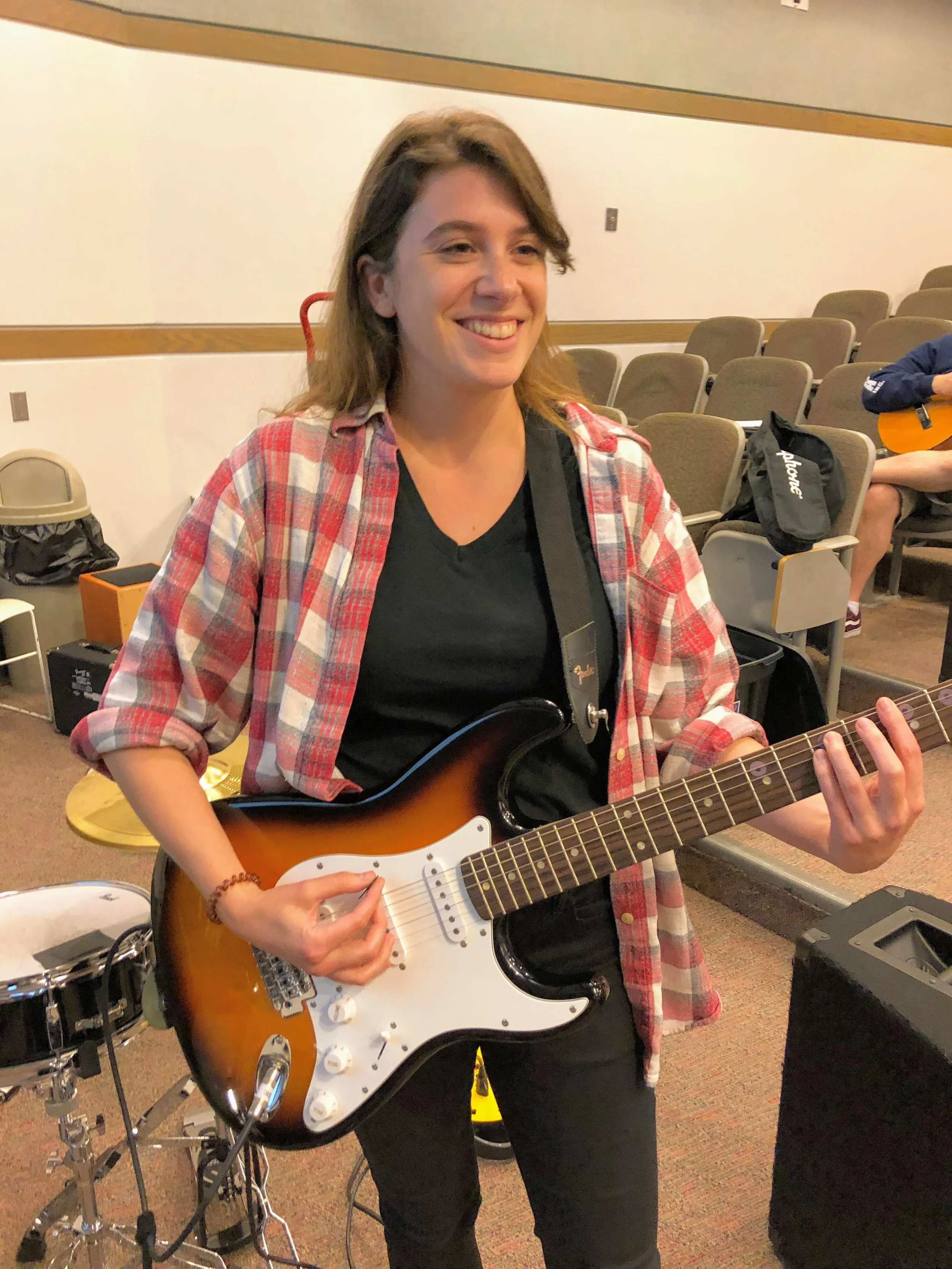
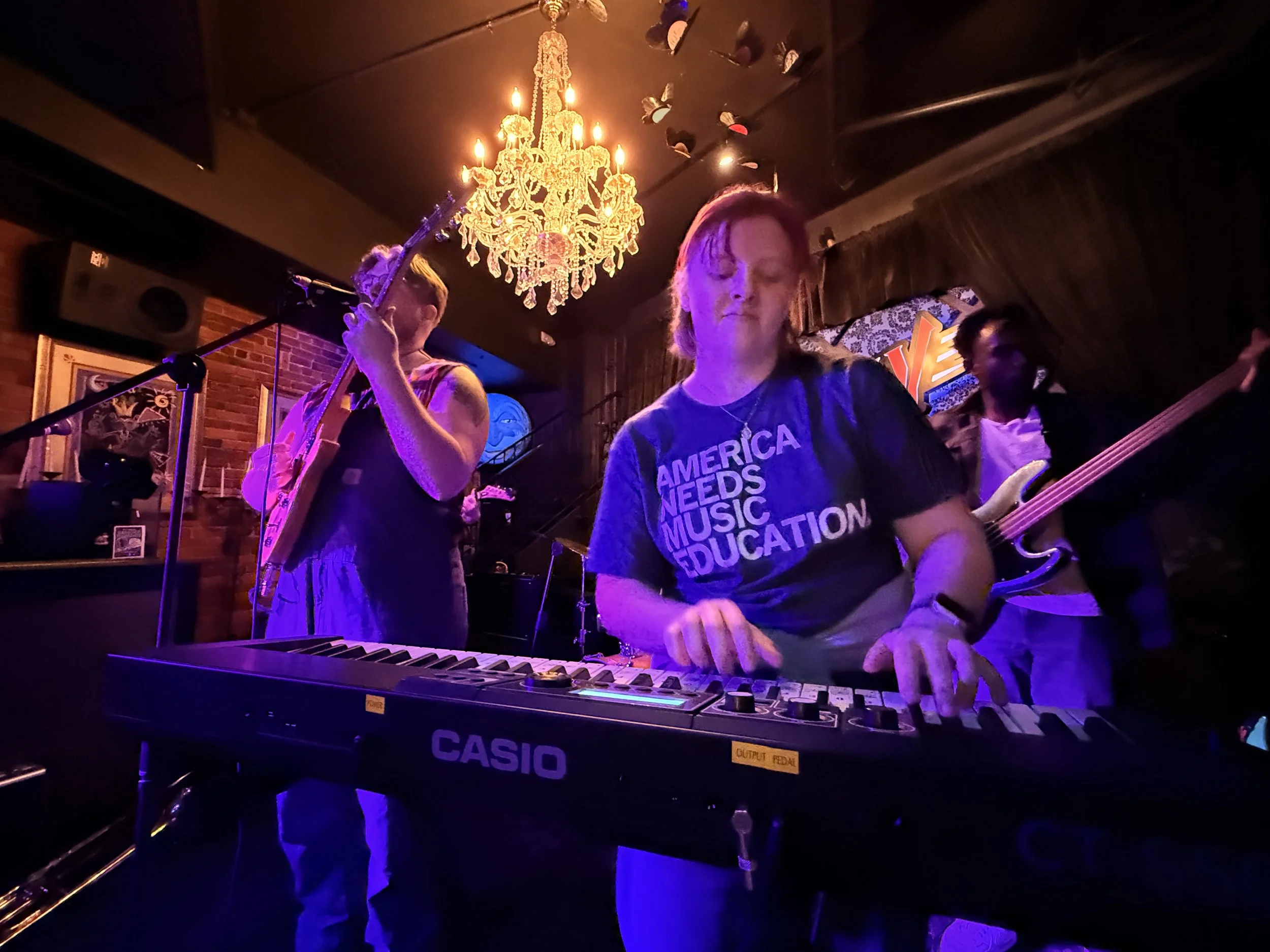
DescThis course engages students in collaborative music-making through modern band, emphasizing creativity, accessibility, and real-world musical experiences. Students learn foundational skills on guitar, bass, drums, keyboard, and voice while forming bands, arranging songs, and performing together. Grounded in informal learning practices and aural/oral traditions, the course prioritizes Human Expression—inviting students to explore music as a personal, social, and creative act. Through songwriting, collaboration, and performance, students develop both musical and interpersonal skills while experiencing music as something they actively create and share with others.ription text goes here
-
This course prepares future music educators to teach string instruments in diverse school settings, with an emphasis on accessibility, creativity, and student engagement. Students develop foundational skills across guitar, bass, ukulele, and orchestral strings while exploring a range of approaches including modern band and traditional ensemble instruction. Through lesson design, peer teaching, and rehearsal planning, the course focuses on how string instruction can reach more students and support meaningful musical participation in both classroom and ensemble contexts.
-
This course introduces future choral educators to the fundamentals of teaching and playing instrumental music. Students develop basic skills on brass, woodwind, guitar, and ukulele while learning how to sequence instruction and support beginning instrumentalists. Emphasis is placed on accessibility, confidence-building, and transferable teaching strategies, helping students expand their ability to lead diverse music classrooms that include both vocal and instrumental experiences.
-
This is not your typical intro course. Students explore how people actually learn music while jumping into real-world experiences like playing in a modern band, writing songs, producing music with technology, and designing their own creative projects. The course blends traditional and progressive approaches, challenges assumptions about what music education can be, and emphasizes inclusion, creativity, and human expression. By the end, students don’t just learn about teaching music, they begin to become music educators who can create meaningful, engaging experiences for all learners.
Summer Workshops
-
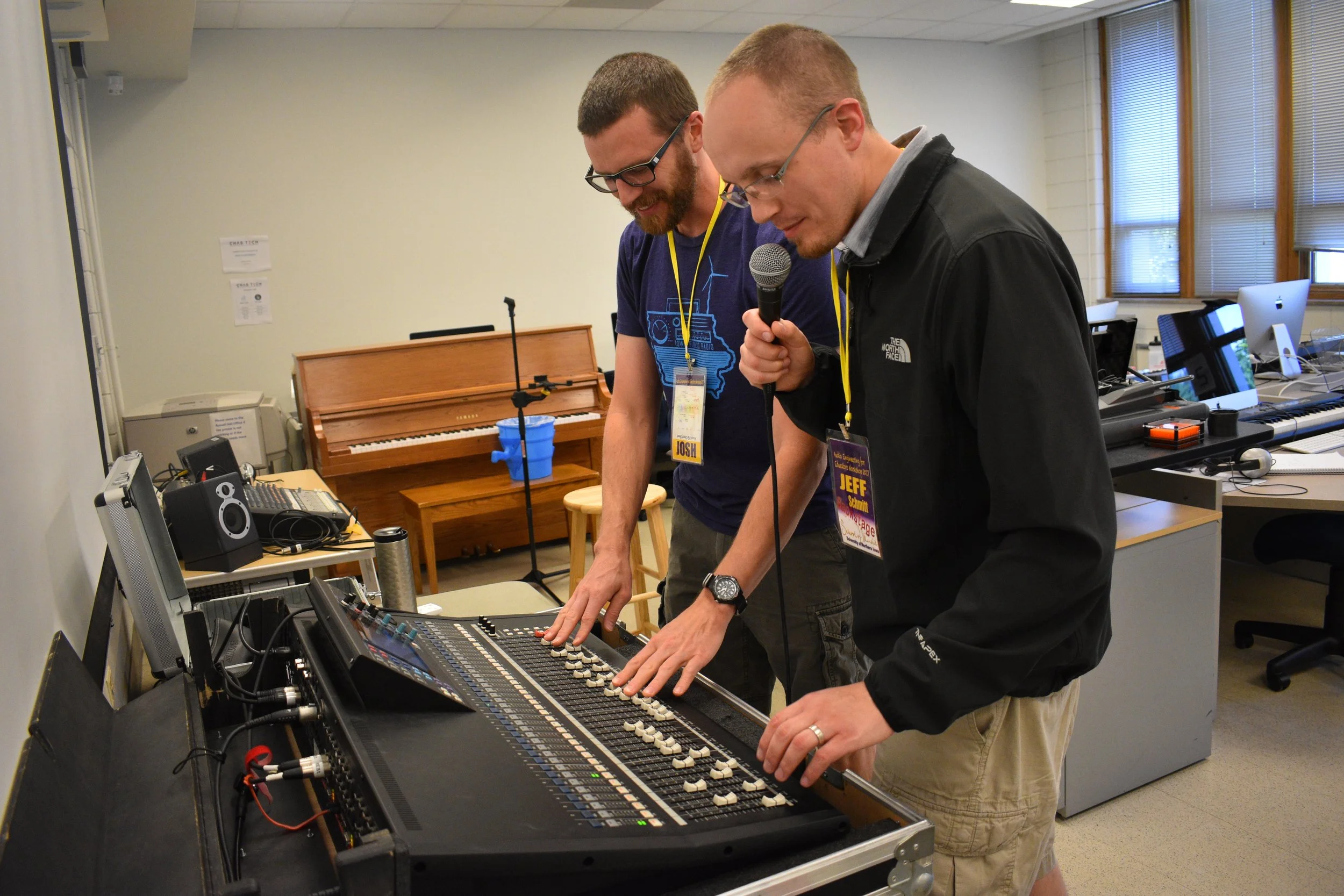
Take control of your sound. This hands-on workshop gives music teachers the practical skills to run sound for concerts, rehearsals, and recordings with confidence. You’ll learn how microphones, mixers, speakers, and signal flow actually work—no more guessing or hoping it sounds good. From setting up a PA system to mixing digital audio, this course empowers you to create professional-quality sound in your classroom and performances. Perfect for teachers who want to elevate student performances, support modern band programs, or simply stop relying on someone else to “figure out the sound.”
-
Bring your classroom to life through modern band. In this high-energy, hands-on workshop, teachers learn to play guitar, bass, drums, keyboard, and vocals while experiencing what it feels like to be in a student-centered band. You’ll explore culturally responsive teaching, informal learning, and songwriting—all while collaborating, performing, and building a program you can take back to your school immediately. Whether you're new to modern band or looking to expand your teaching, this workshop will give you the tools, confidence, and inspiration to reach more students through music they connect with.
-
Ready to take your modern band teaching to the next level? RockShop II builds on the foundations of RockShop I with deeper musical skills, more advanced pedagogy, and real-world classroom applications. You’ll refine your playing, explore improvisation and songwriting, and learn how to set up sound systems for rehearsals and performances. Most importantly, you’ll experience creative music-making in a supportive, low-risk environment—so you can create that same environment for your students. This is where confidence grows, ideas expand, and your teaching evolves.