
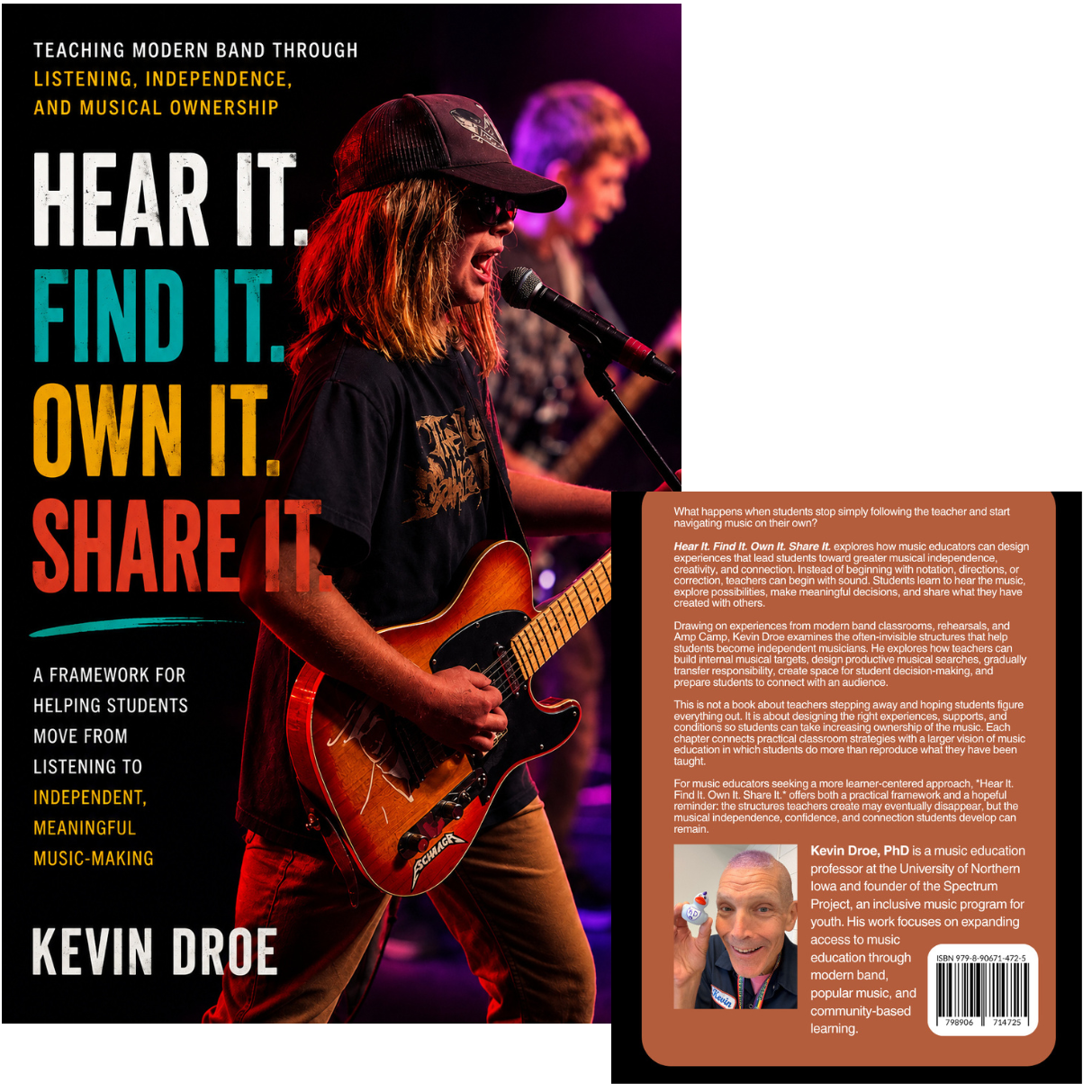
Hear it. Find it. Own it. Share it. - Designing Music Learning for Independence, Ownership, and Connection
What happens when students stop following the teacher and begin making music for themselves? Hear It. Find It. Own It. Share It. offers a practical framework for helping students listen deeply, solve musical problems, make meaningful decisions, and perform with independence, confidence, and genuine connection to one another and their audience.
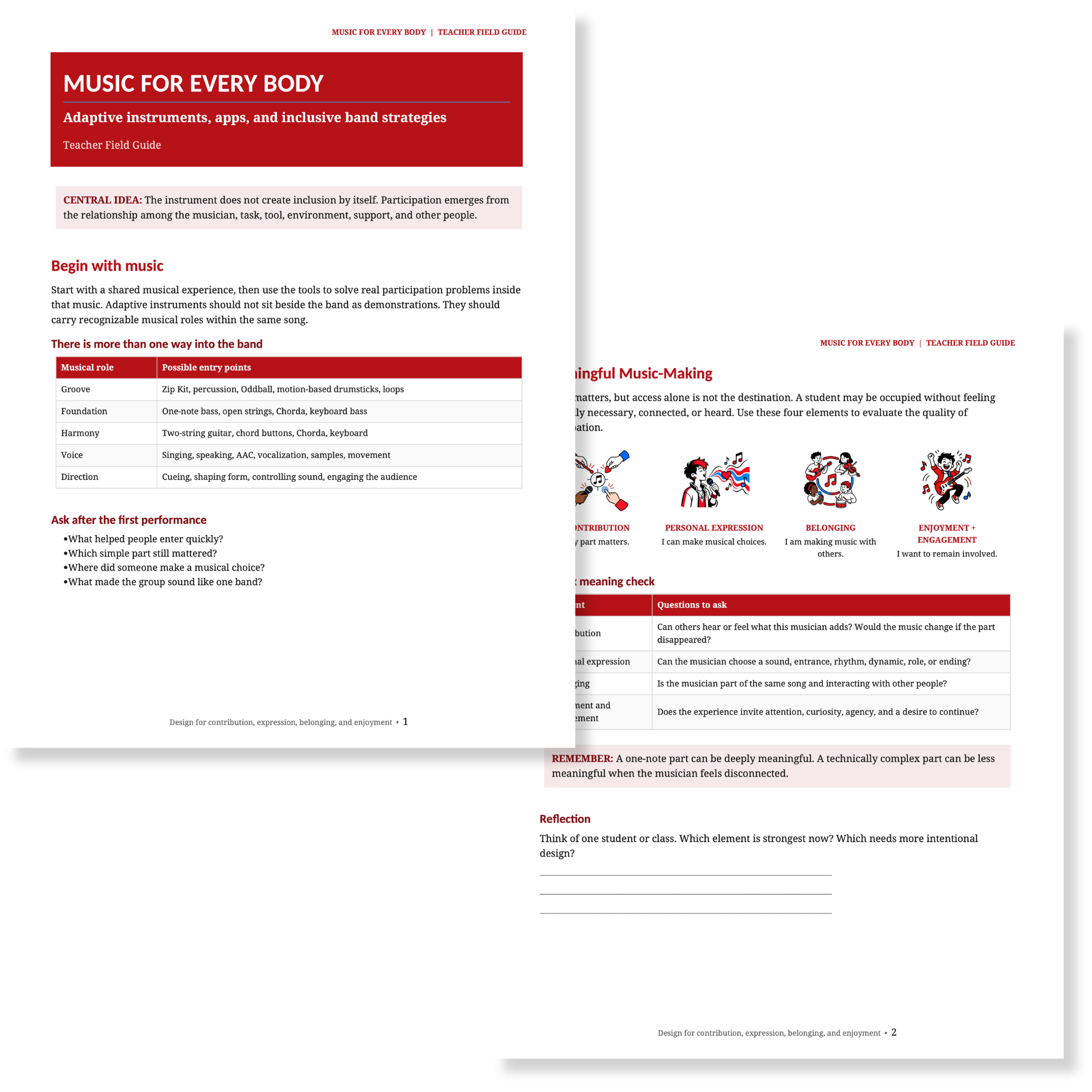
Music is for EVERY BODY: Teacher Handout
This free handout offers practical ideas for designing meaningful music experiences for more students. It includes strategies for identifying barriers, adapting tasks, tools, environments, and supports, and using accessible instruments, music apps, and modern band equipment.
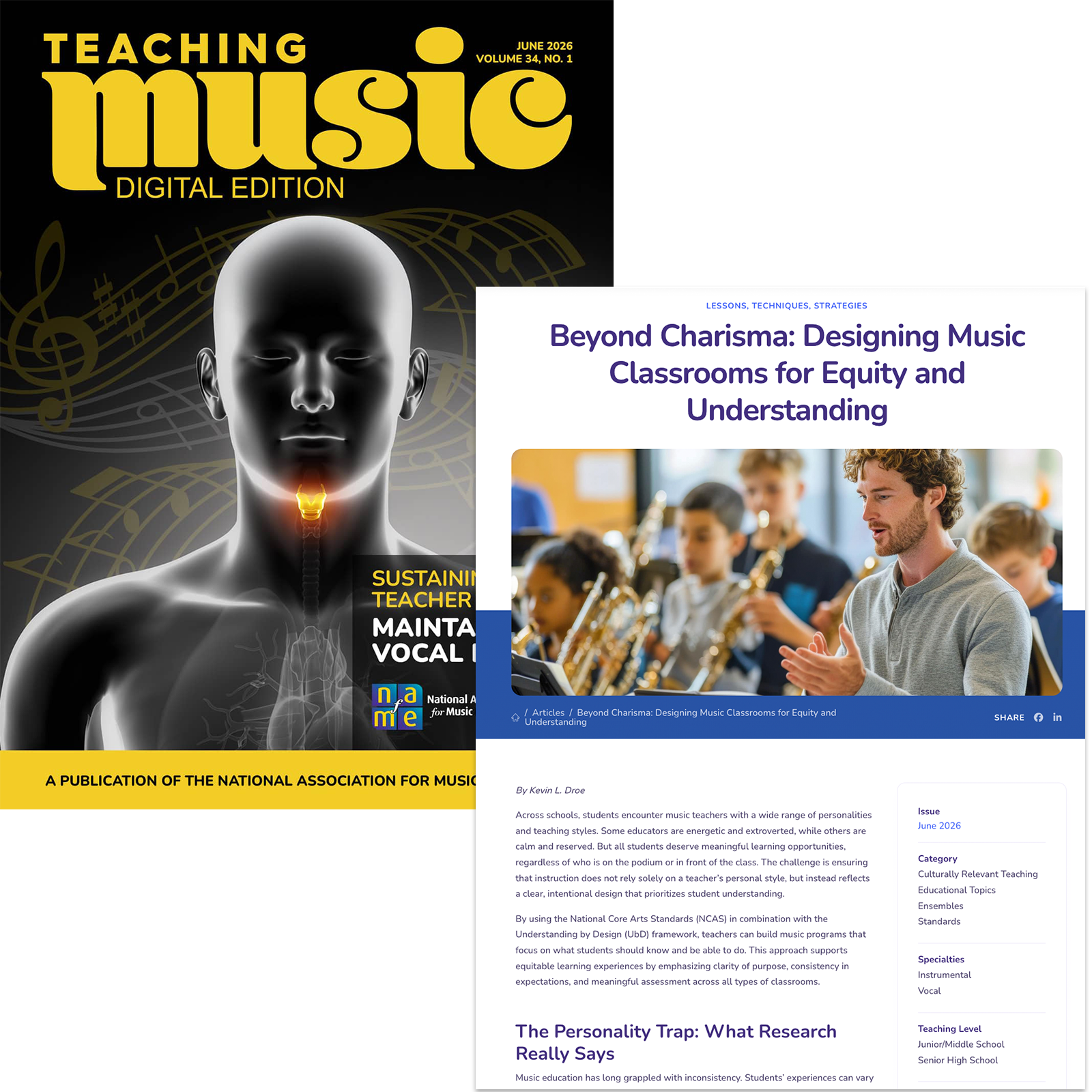
Beyond Charisma: Designing Music Classrooms for Equity and Understanding
Across schools, students encounter music teachers with a wide range of personalities and teaching styles. Some educators are energetic and extroverted, while others are calm and reserved. But all students deserve meaningful learning opportunities, regardless of who is on the podium or in front of the class. The challenge is ensuring that instruction does not rely solely on a teacher’s personal style, but instead reflects a clear, intentional design that prioritizes student understanding.
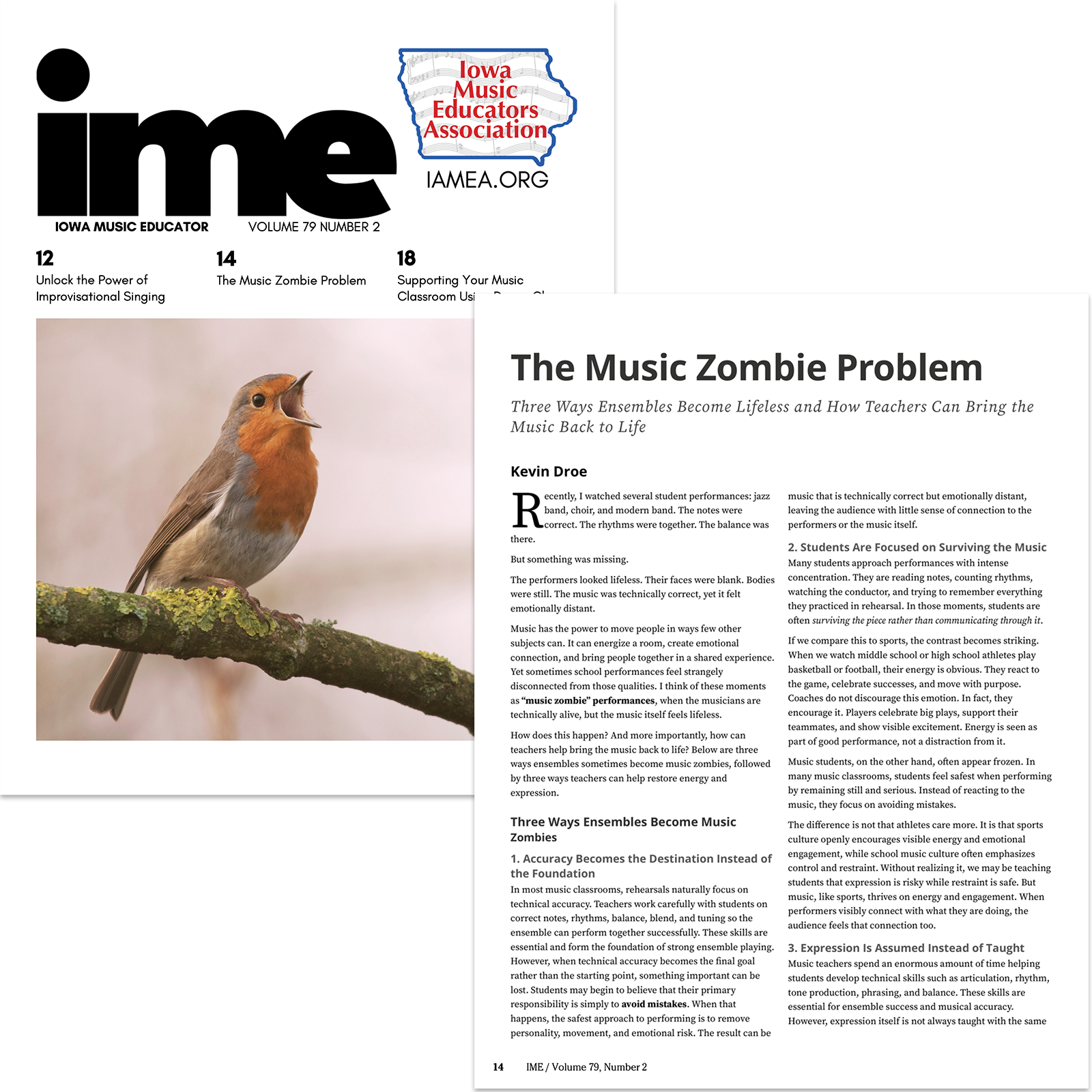
The Music Zombie Problem: Three Ways Ensembles Become Lifeless and How Teachers Can Bring the Music Back to Life
Why do some student performances feel technically perfect but emotionally flat? In The Music Zombie Problem, I explore why ensembles sometimes look lifeless despite playing all the right notes. The issue is not ability, it is design. When accuracy becomes the goal, students focus on survival, and expression is left untaught, music loses its energy. This article offers practical ways teachers can bring performances back to life by modeling expression, rehearsing energy, and helping students see performance as communication rather than demonstration.
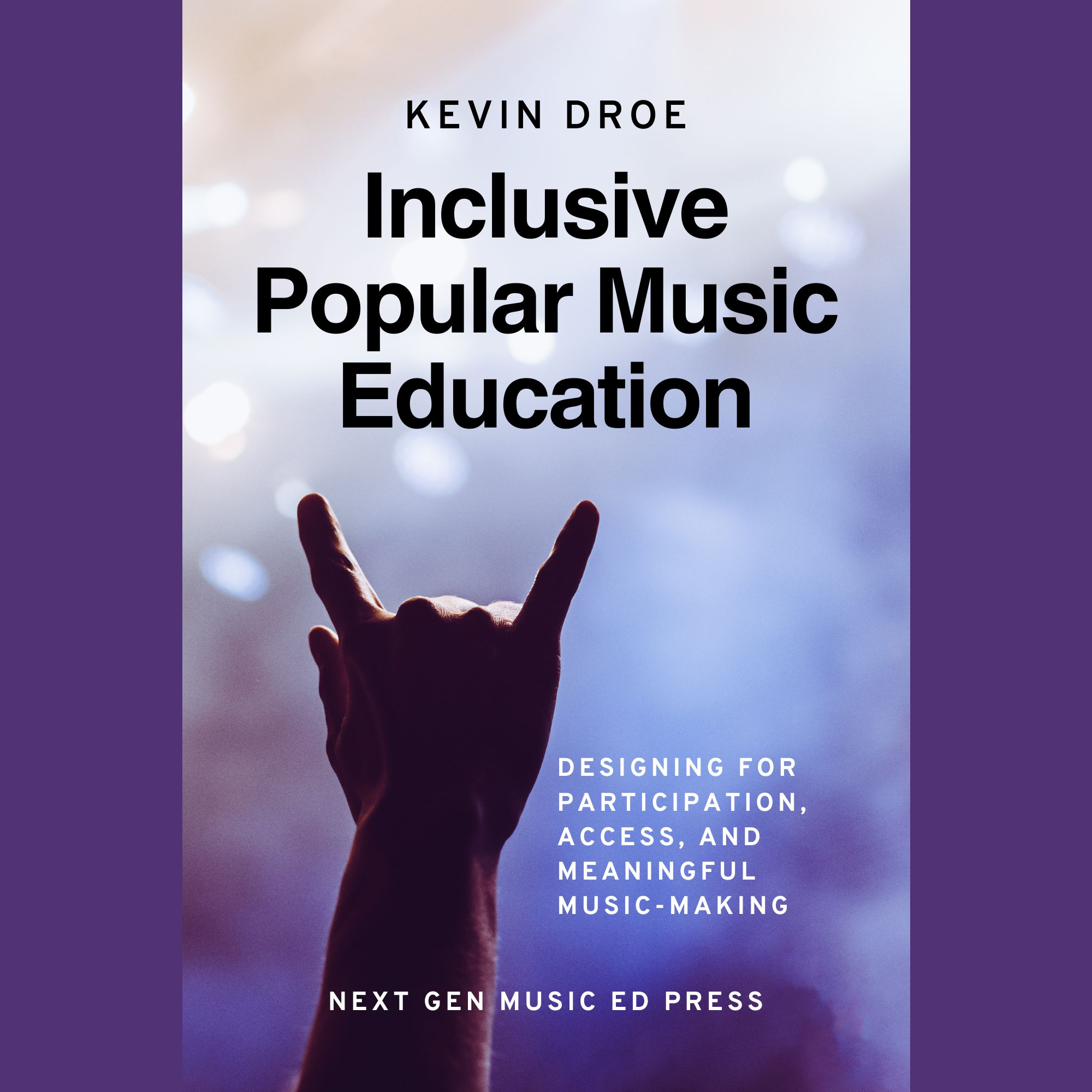
Inclusive Popular Music Education: Designing for Participation, Access, and Meaningful Music-Making
Inclusive Popular Music Education reimagines music classrooms as spaces where all students can participate, create, and belong. Many traditional programs were built for students who already fit established ensembles, leaving others without a clear path into music.
This book offers a different approach—one that expands access through popular music, modern band, songwriting, and music technology while maintaining meaningful learning. Centered on contribution, personal expression, belonging, and engagement, it shifts teaching from directing outcomes to designing environments where students can take part in ways that are authentic and sustainable.
Written for current and future music educators, this book provides practical examples and adaptable strategies to help more students find a place in music.
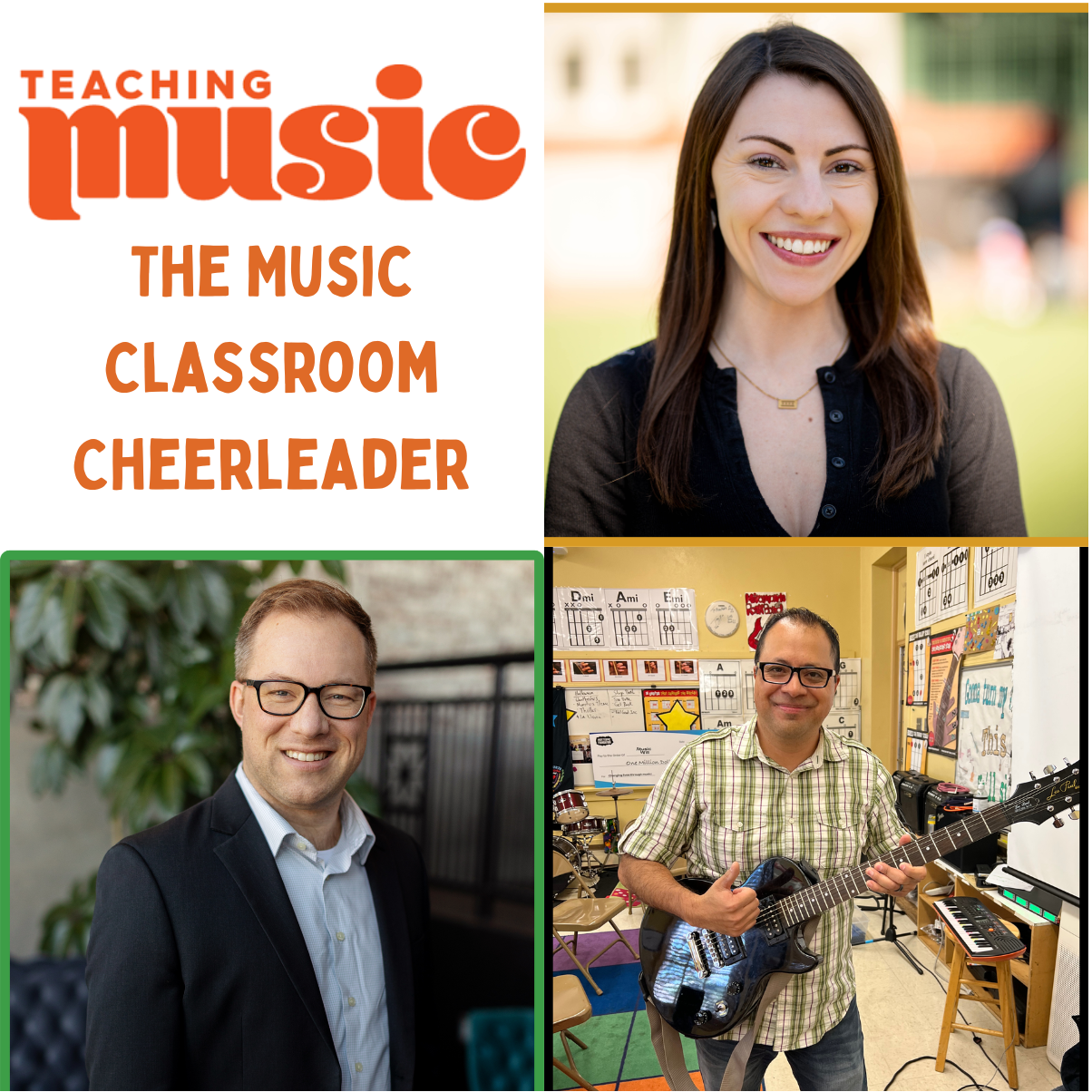
The Music Classroom Cheerleader
A fourth-grade student steps up for a solo and forgets the words. Before the moment turns into panic, a classmate moves beside him, sings the line with him, and gives a quick high-five. The class erupts in cheers. Not because they were told to, but because that is what they do.
Classrooms like this are not accidental. They are built through daily, intentional practices where encouragement becomes part of the culture. When students feel supported, they take risks. When they take risks, they grow. Over time, they do more than learn music. They become each other’s biggest supporters.
Transforming Lives Through the UNI Spectrum Project
A practical framework for inclusive music education through the UNI Spectrum Project, demonstrating how student-centered, adaptive, and creative approaches can expand access and ensure meaningful participation for all learners.
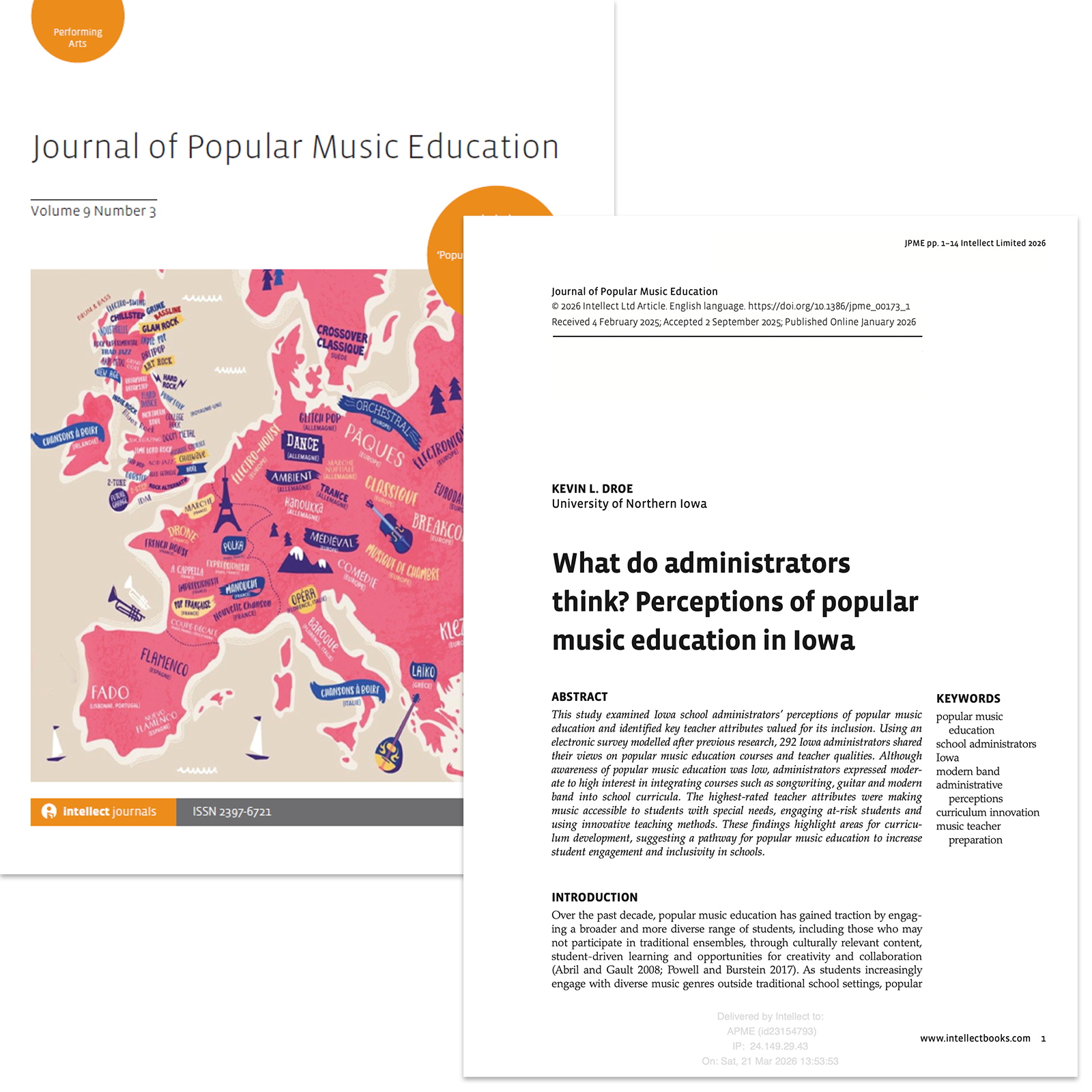
What do administrators think? Perceptions of popular music education in Iowa
Even with low awareness, administrators showed clear interest in bringing songwriting, guitar, and modern band into schools. What mattered most was not the genre, but the impact. They prioritized teachers who reach more students, support those with diverse needs, and teach in innovative ways. These findings suggest a powerful opening for expanding music education to be more inclusive, relevant, and engaging.
Beginning Scratching
What if a turntable were treated not as playback equipment, but as an instrument? This lesson invites students into the world of DJing by transforming scratching into a hands-on, creative, and rhythmic musical experience. Beginning with simple movements and progressing toward coordinated fader techniques, students quickly move from imitation to improvisation. With options ranging from professional DJ setups to mobile apps, scratching becomes accessible to any classroom, offering a powerful way to connect students to hip-hop culture, technology, and modern music-making in a way that feels immediate, relevant, and fun.
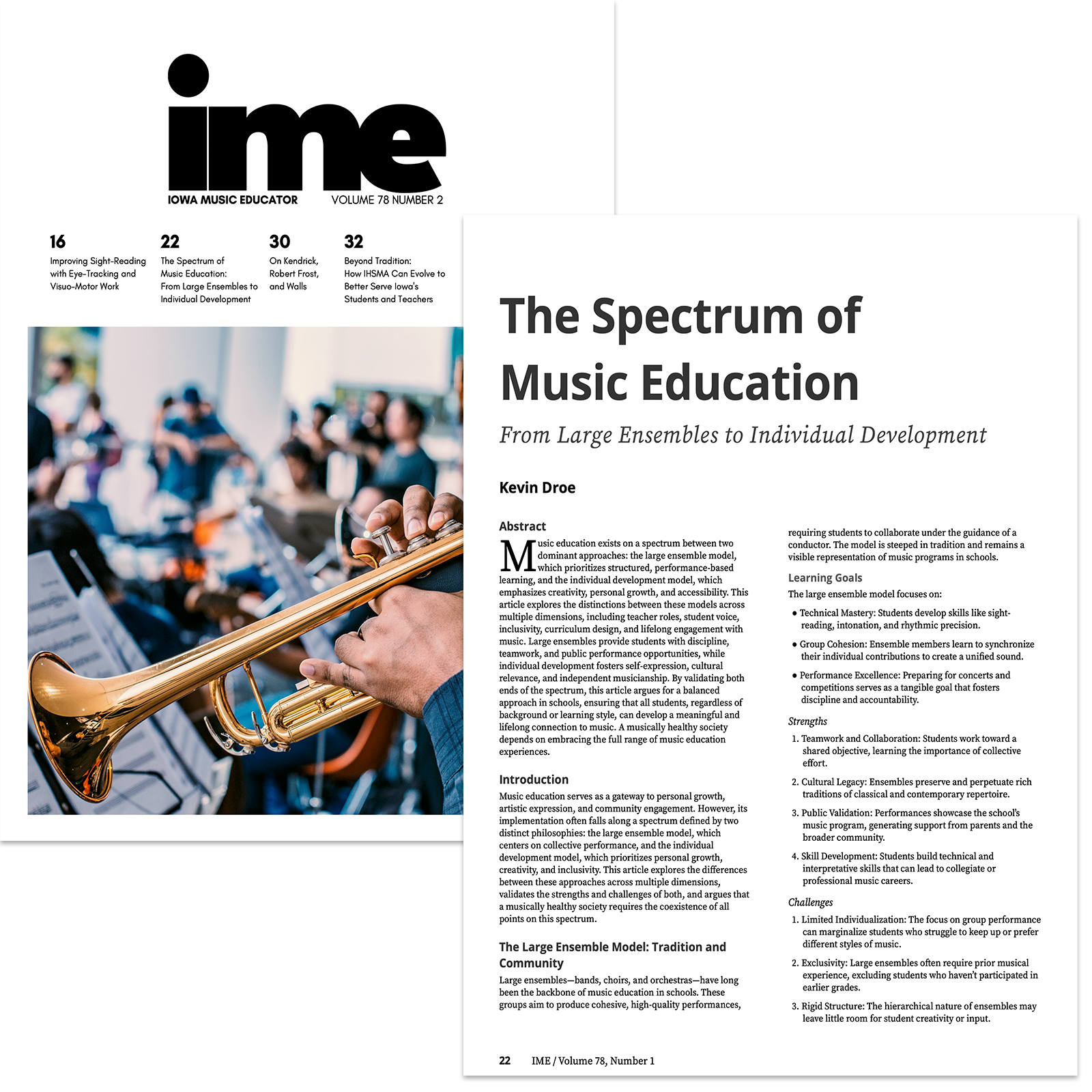
The Spectrum of Music Education: From Large Ensembles to Individual Development
Music education does not have to choose between tradition and innovation. It already exists on a spectrum. On one end, large ensembles build precision, teamwork, and shared purpose. On the other, individual pathways invite creativity, identity, and personal expression. When schools embrace both, more students find a place in music, not just during school, but for life. The question is not which model is better. It is whether we are offering enough ways for students to belong.
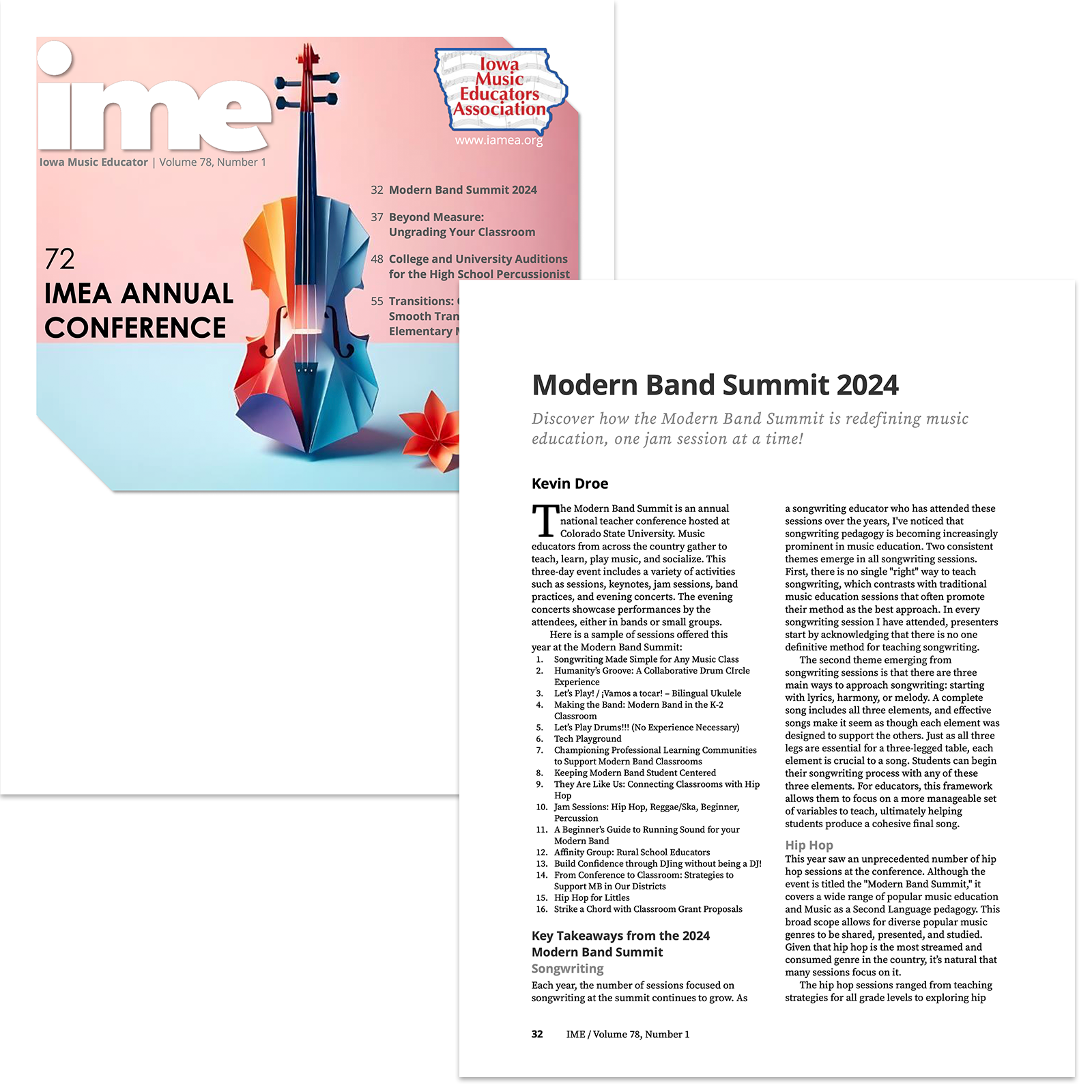
Modern Band Summit 2024: Discover how the Modern Band Summit is redefining music education, one jam session at a time!
What makes the Modern Band Summit so powerful is not just what teachers learn—it’s what they experience. In a space filled with jam sessions, songwriting, and collaboration, educators step back into the role of musician, rediscovering the joy of making music alongside others. Rather than promoting a single “right” way to teach, the summit embraces multiple pathways, whether through songwriting, hip hop, or technology, offering a vision of music education that is flexible, inclusive, and deeply connected to how people actually engage with music today.
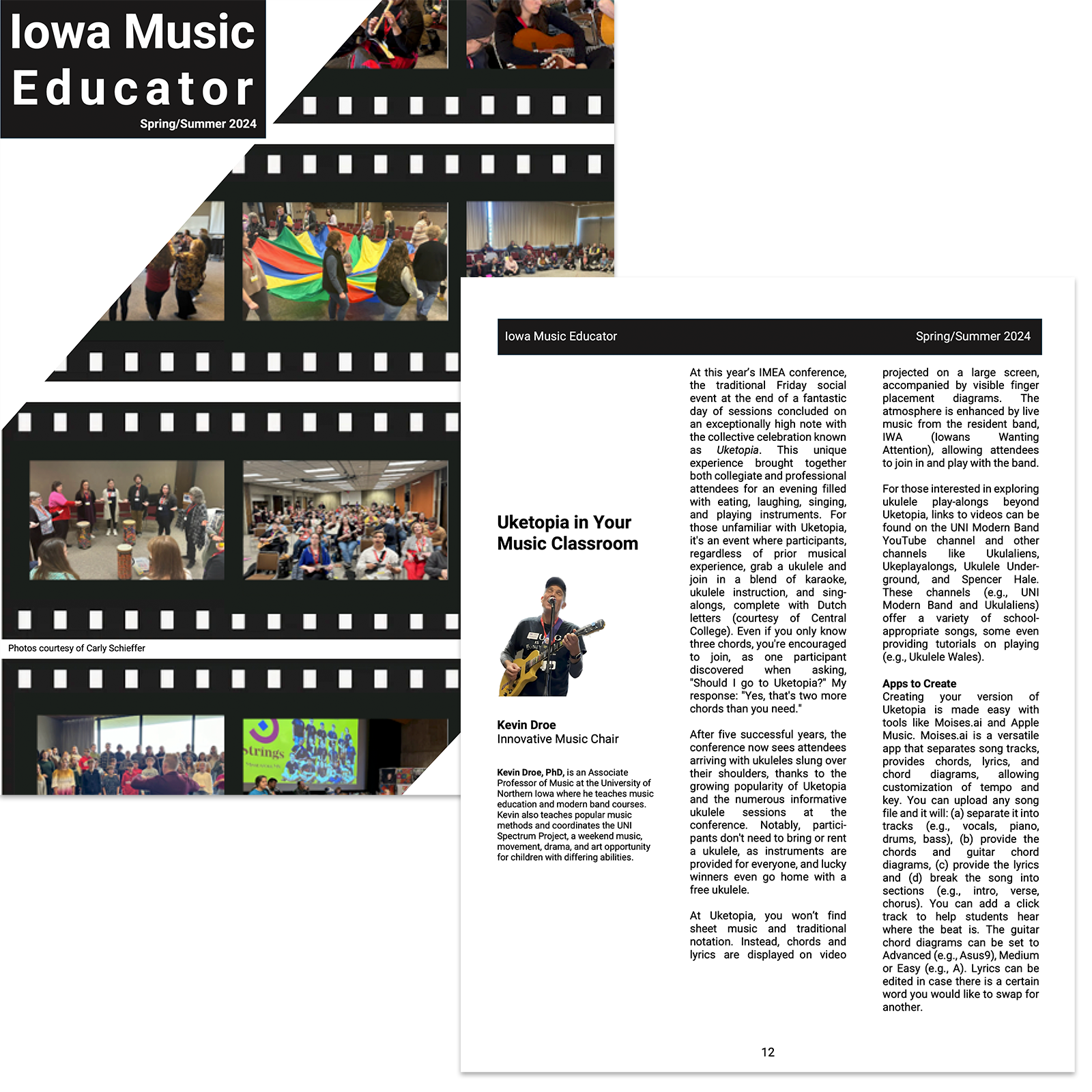
Uketopia in Your Music Classroom
What if your music classroom felt more like a jam session than a rehearsal? Uketopia creates a space where every student can jump in, no sheet music required, no prior experience necessary. With just a few chords, a familiar song, and a room full of people willing to sing and play together, music becomes immediate, social, and joyful. By combining technology, popular music, and student choice, Uketopia shifts the focus from perfection to participation—reminding us that music education is at its best when everyone is invited to play.
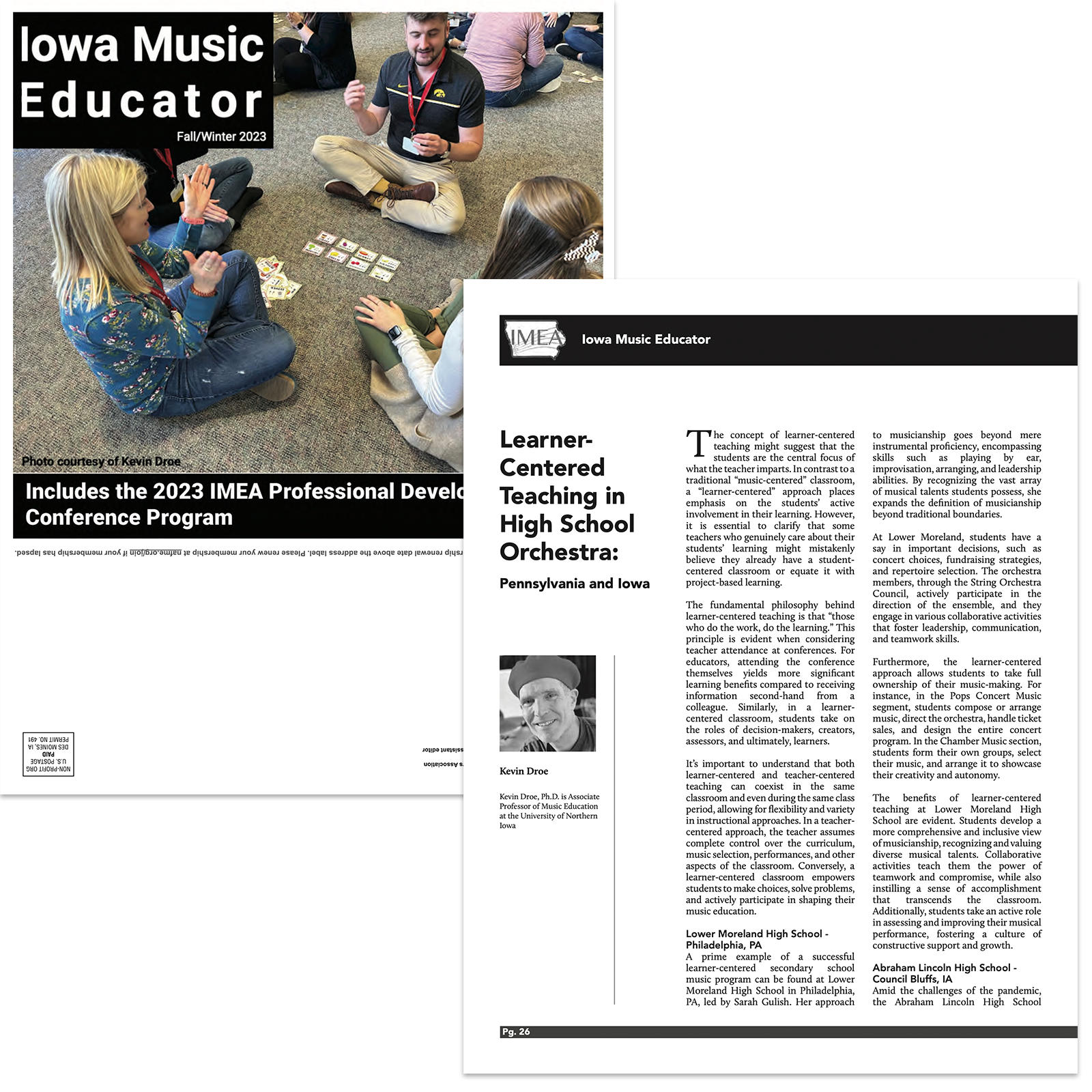
Learner-Centered Teaching in High School Orchestra: Pennsylvania and Iowa
In a learner-centered orchestra, students take on the roles of decision-makers, creators, and leaders. From selecting repertoire to directing performances and producing original work, they actively shape their musical experience. When students do the work, they do the learning, transforming the ensemble into a space for creativity, collaboration, and meaningful engagement.
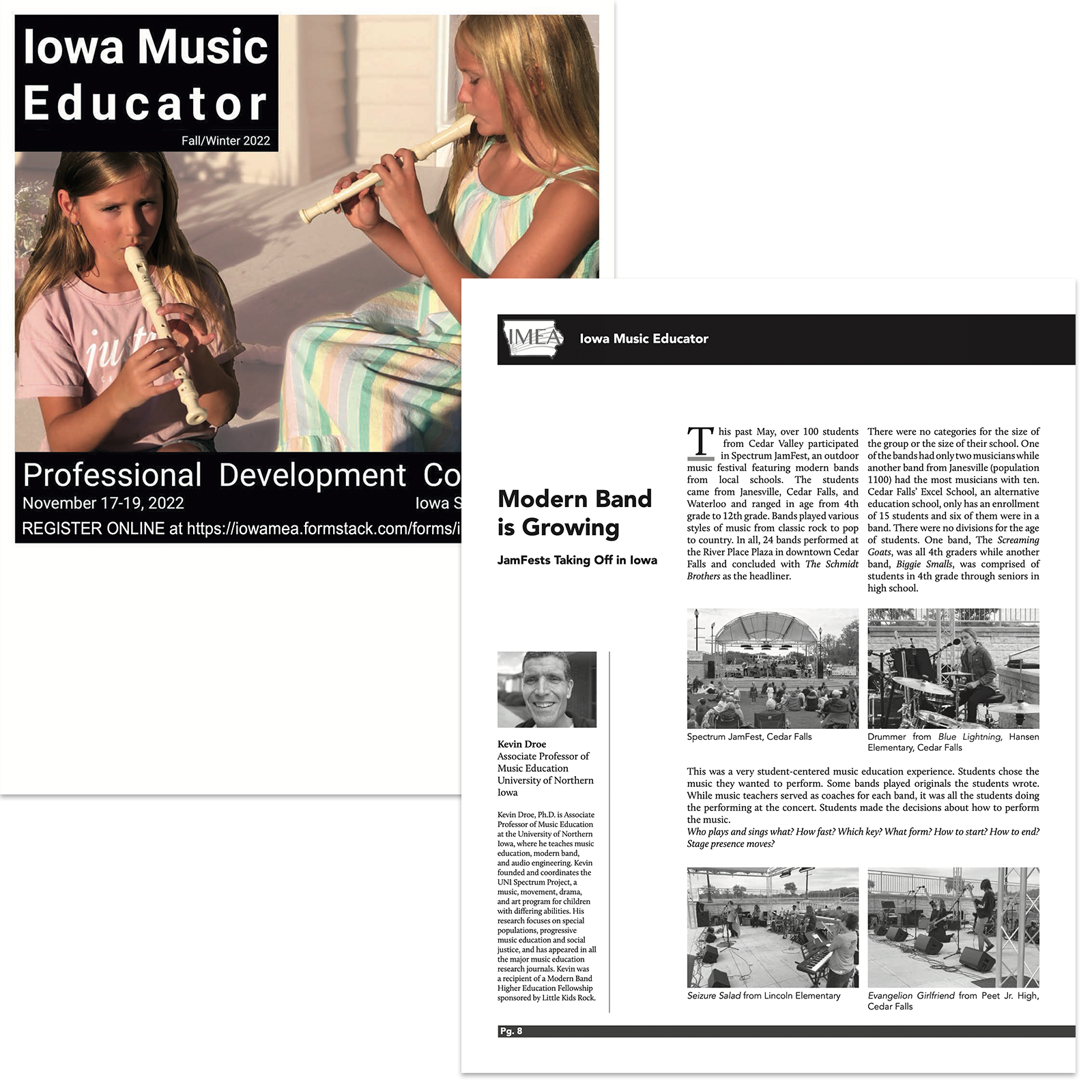
Modern Band is Growing: Jamfests Taking Off in Iowa
At a JamFest, there are no divisions, no rankings, and no barriers to entry. Students of different ages, backgrounds, and experience levels come together to perform music they have chosen and shaped themselves. Teachers step back into the role of coach, while students take ownership of the music, the performance, and the experience. As more schools expand the menu of music opportunities, JamFests show what is possible when music education is designed for participation, creativity, and belonging.
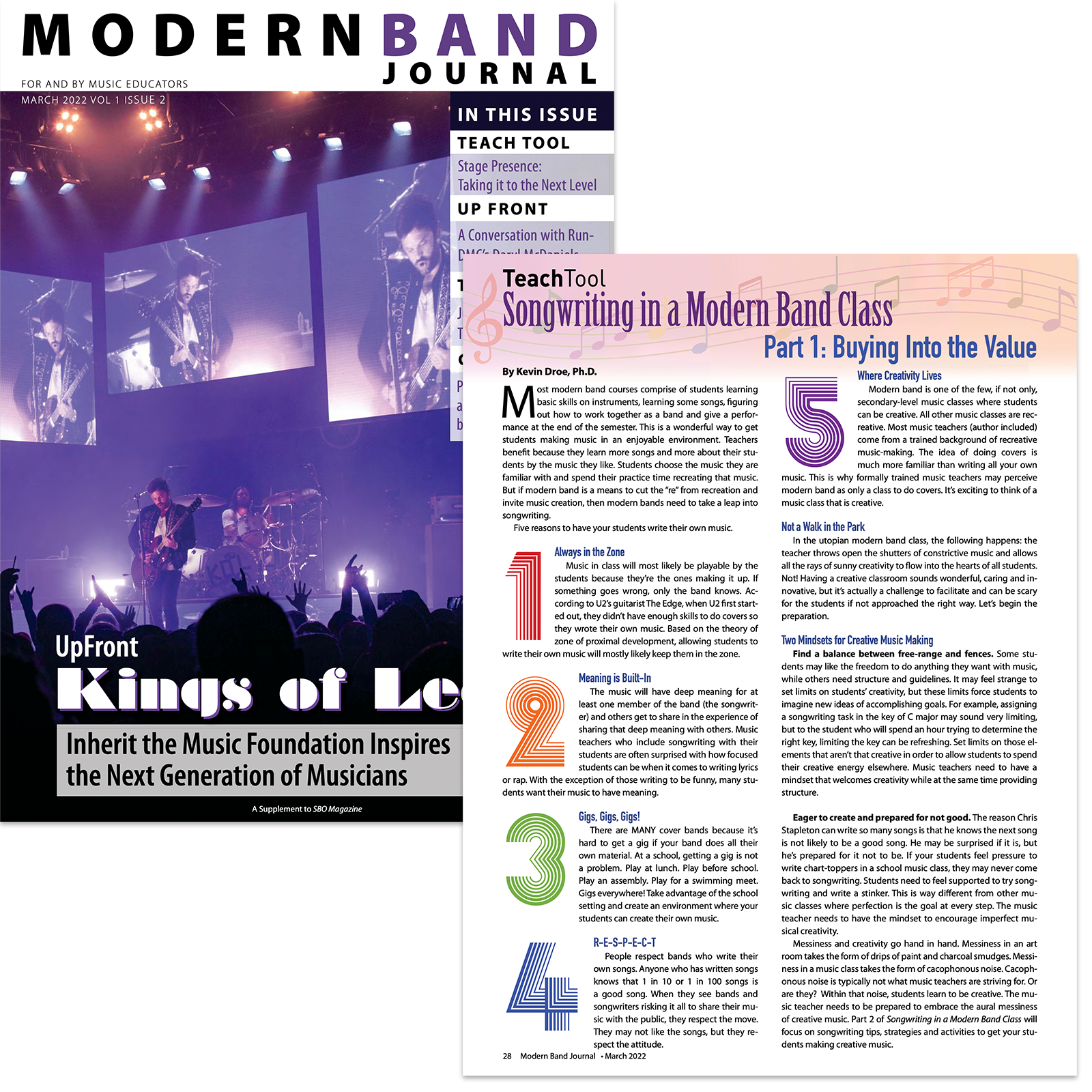
Songwriting in a Modern Band Class
Modern band often begins with students learning and performing existing songs, but its true potential lies in creation. When students write their own music, they work within their own abilities, create meaning that matters to them, and engage more deeply in the process. Songwriting shifts the classroom from reproduction to expression, inviting students to take risks, embrace imperfection, and discover what it means to be a musician.
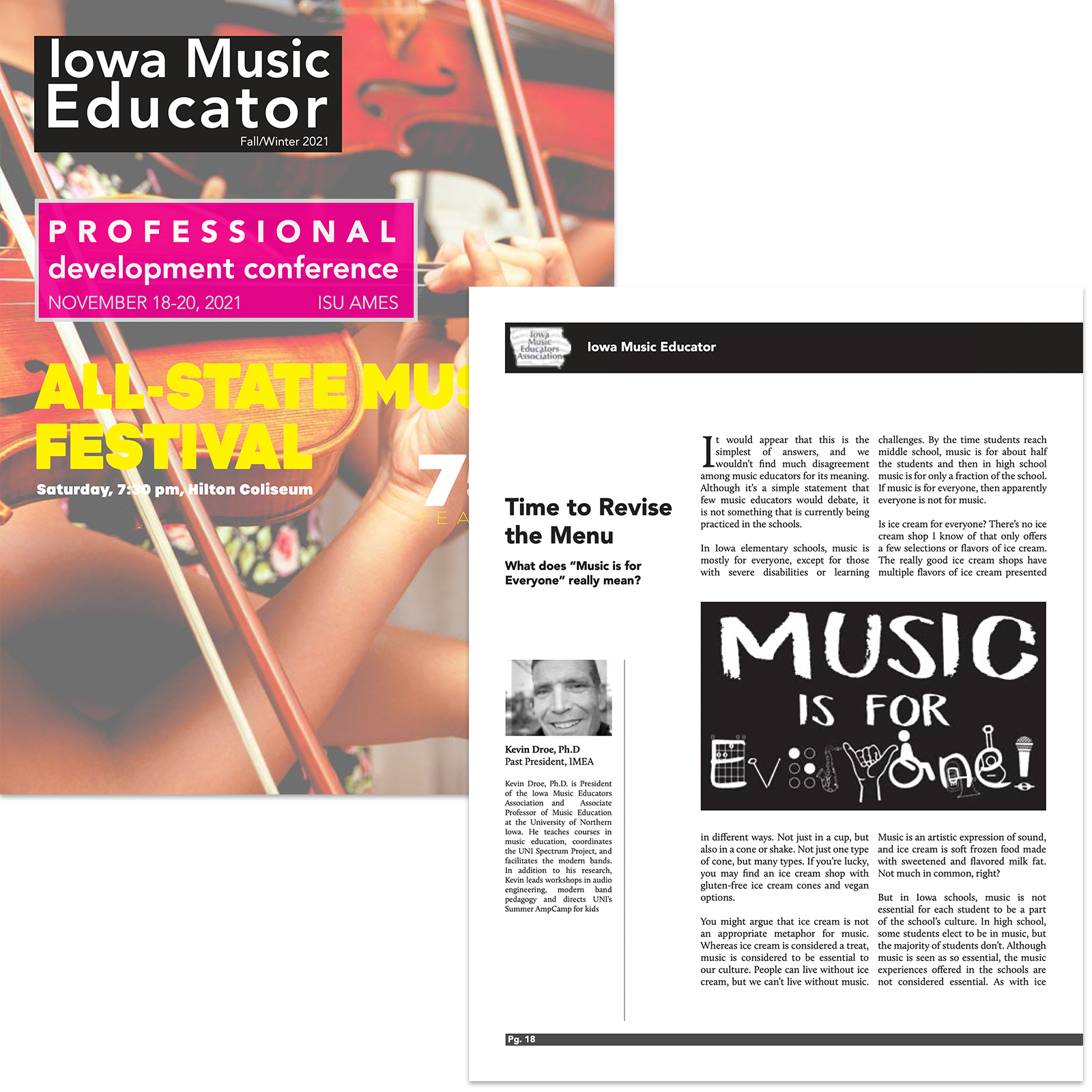
Time to Revise the Menu. What does “Music is for Everyone” really mean?
If music is truly for everyone, then the opportunities to participate must reflect that belief. When only a small portion of students continue in music, the issue is not the students. It is the menu. Expanding the types of musical experiences offered invites more students to engage, connect, and see themselves as musicians.
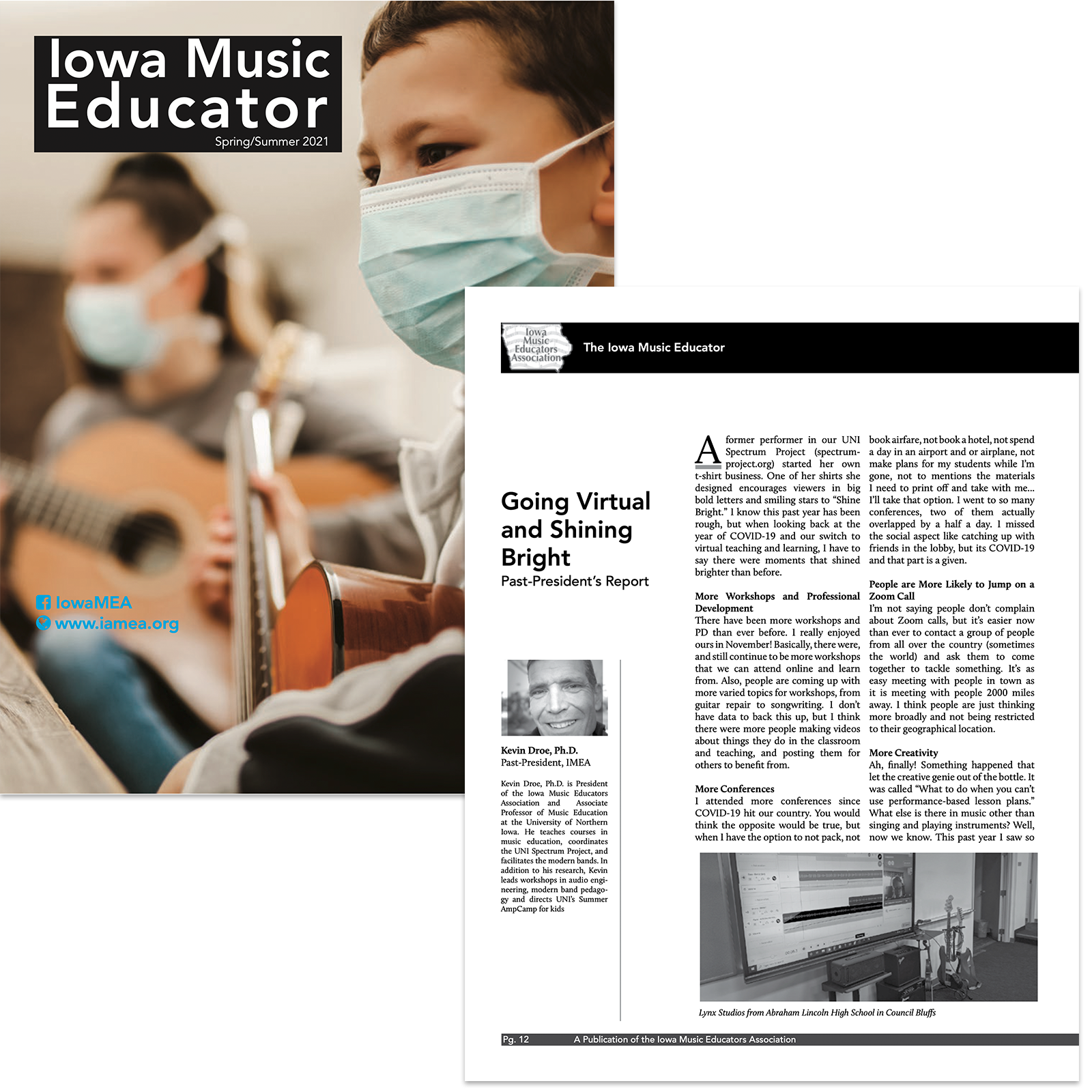
Going Virtual and Shining Bright
When traditional performance-based teaching was no longer possible, music educators did not stop. They adapted. In doing so, they uncovered new ways for students to create, collaborate, and engage with music. The goal is not to return to what was, but to carry forward what was learned and expand what music education can be.
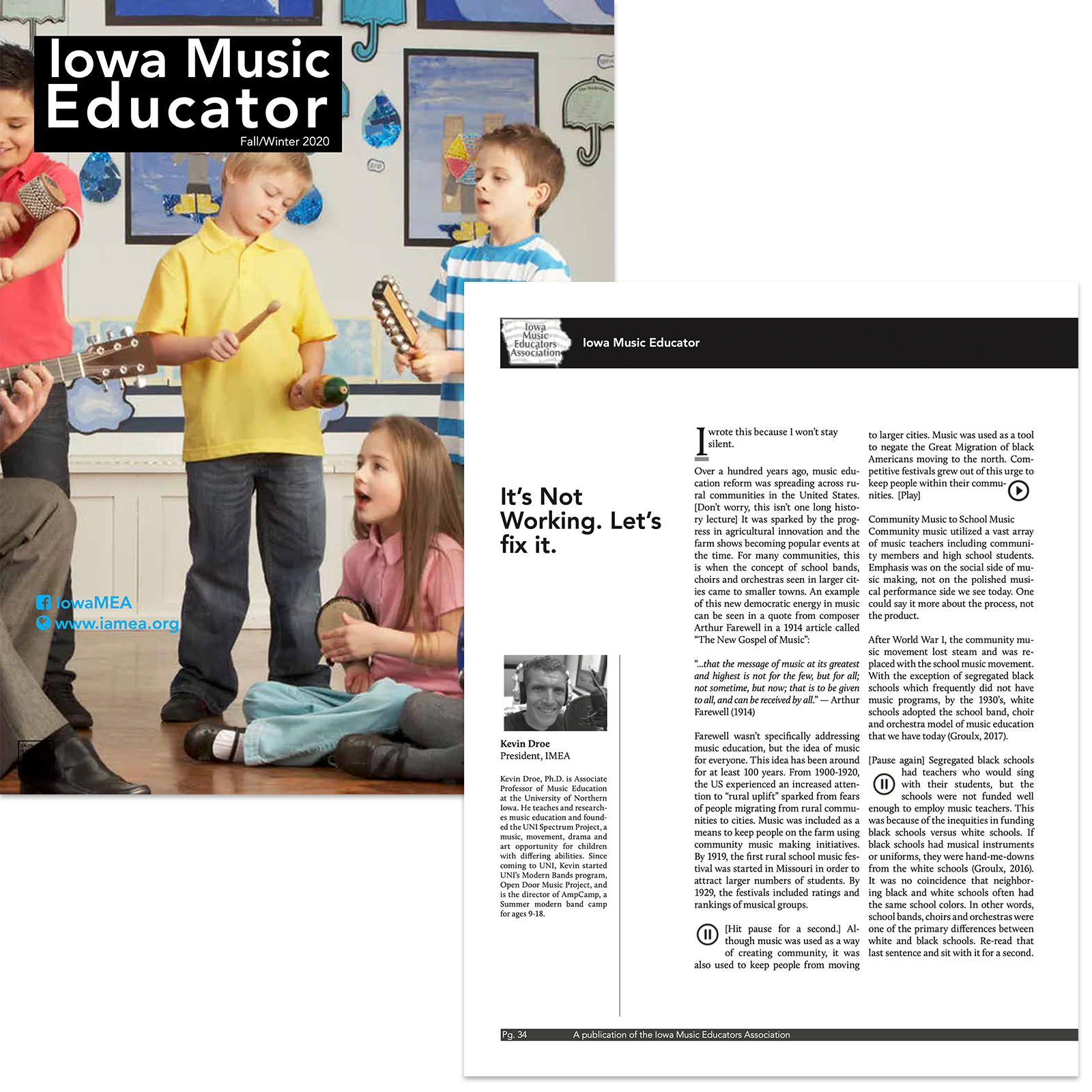
It’s Not Working. Let’s Fix It!
If most students are not choosing music, the problem is not effort. It is the model. Rather than trying to convince more students to join the same programs, we need to change what we offer. When music education becomes more relevant, creative, and accessible, more students will see themselves in it and choose to participate.
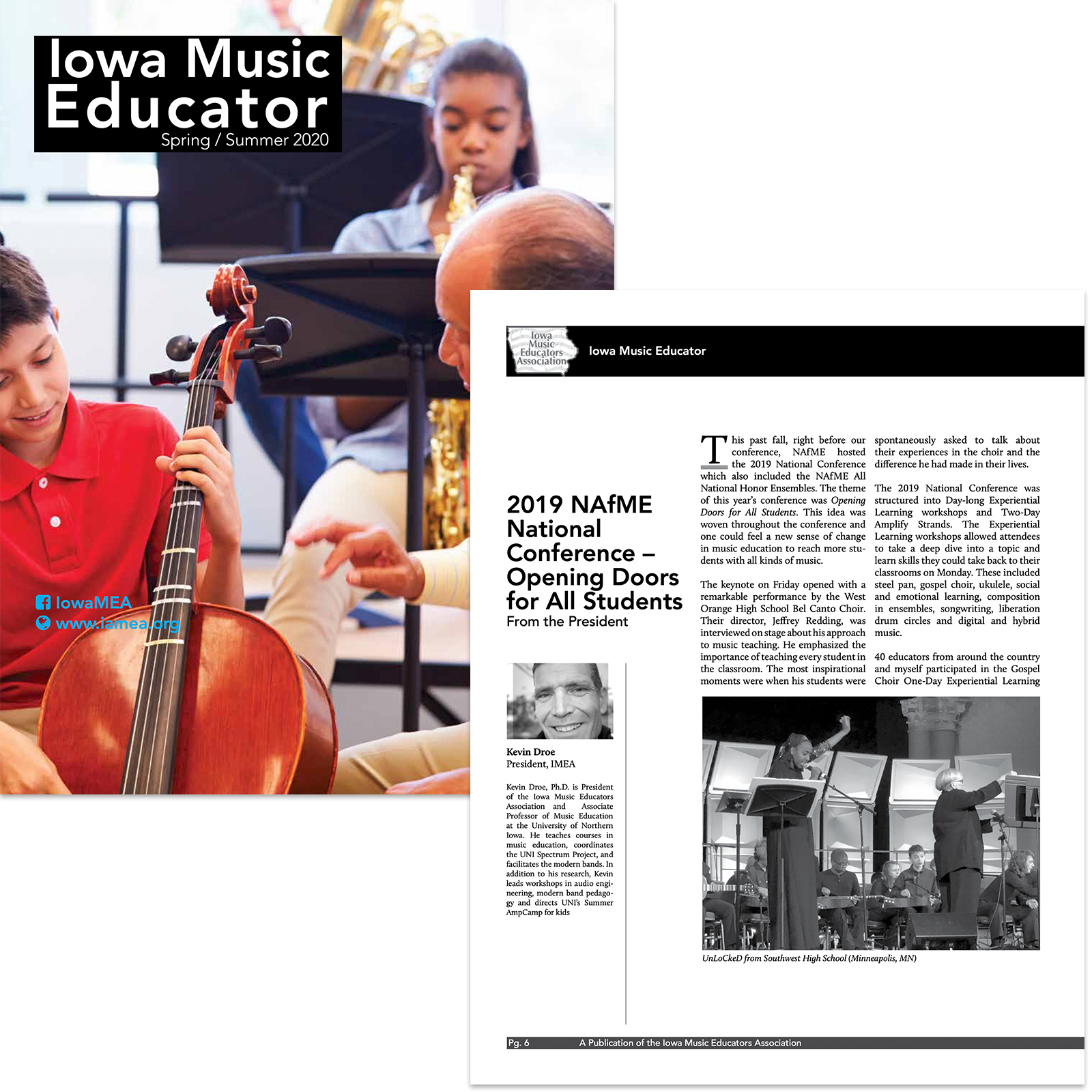
2019 NAfME National Conference – Opening Doors for All Students
Music education is changing, and it must continue to change if it is going to reach more students. From songwriting and digital music to modern band and inclusive ensembles, the conference highlighted new ways to open doors for all learners. When students are given opportunities to create, perform, and see themselves in the music, participation expands and music education becomes more meaningful.
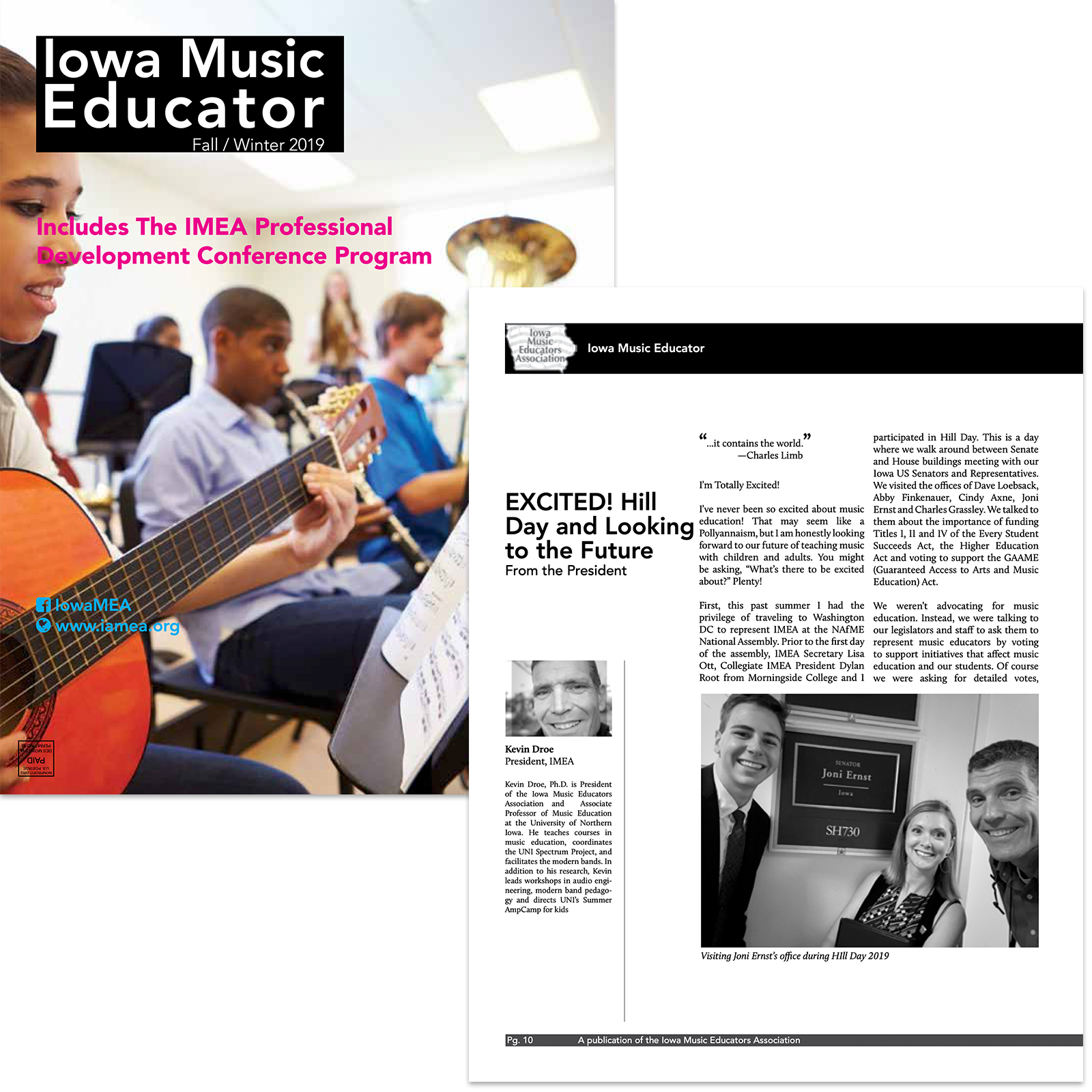
EXCITED! Hill Day and Looking to the Future
The future of music education depends on the experiences we provide for students today. When educators connect with policymakers, collaborate with one another, and create opportunities that invite more students into music, the impact extends far beyond the classroom. If music truly matters, then more students need the chance to experience it in meaningful ways.