
THE FLIPSIDE
The Flipside is a space for rethinking music education. Through honest reflection, bold ideas, and real-world experiences, this blog challenges traditional assumptions and explores what music learning can become. From modern band and inclusive practices to creativity, community, and lifelong musicianship, The Flipside looks beyond “the way it’s always been” and asks what truly serves students.
Who Shouldn’t Be in Music?
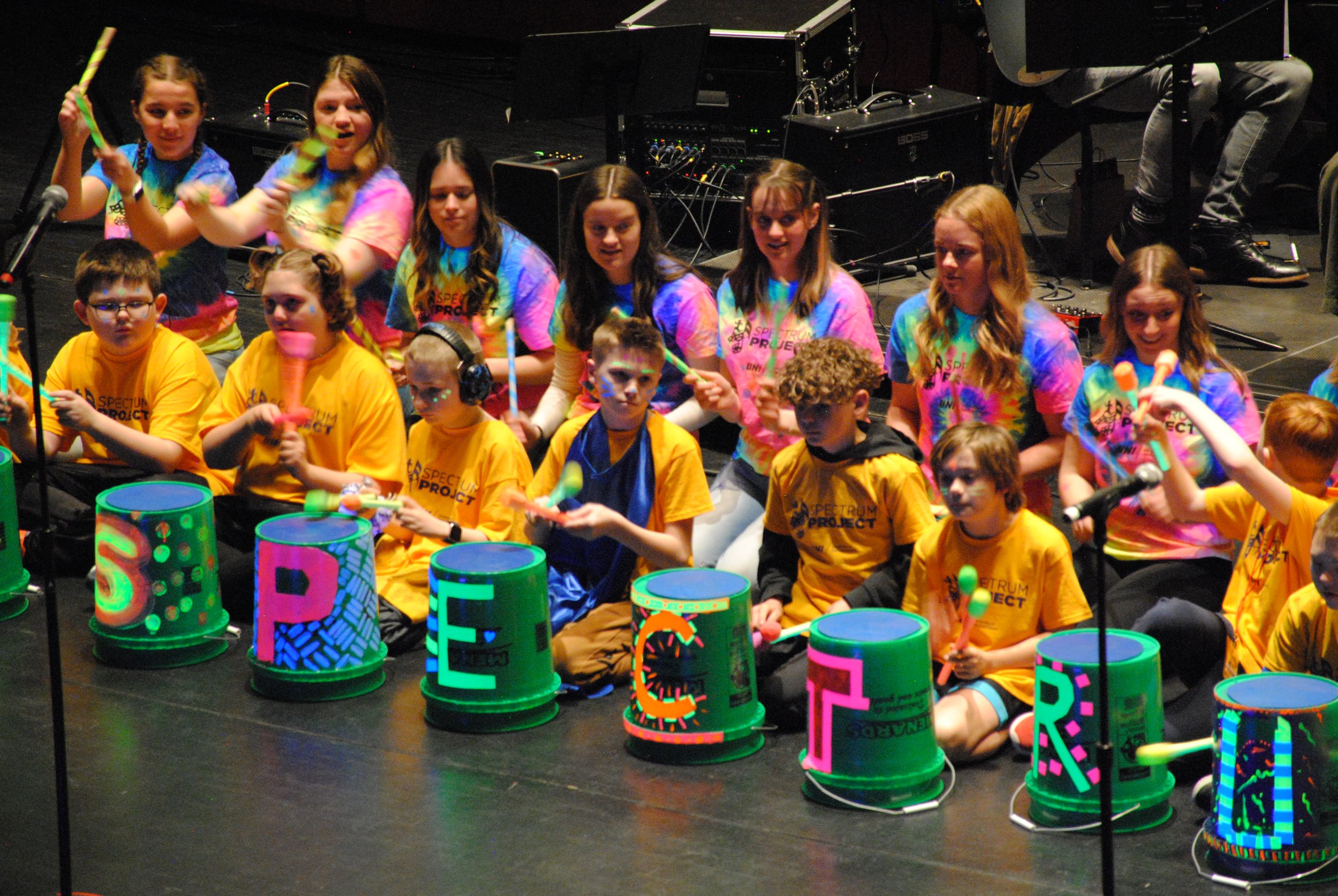
We often debate how many students participate in school music, but what if we’re asking the wrong question? Instead of focusing on percentages, this post explores a deeper idea: can we actually name a student who wouldn’t benefit from music? While many students don’t fit traditional ensembles, it’s hard to imagine anyone who wouldn’t benefit from creating, expressing, or connecting through music in some way.

The 80% We’re Missing: Why School Music Isn’t Reaching Most Students
We often celebrate that around 20% of students participate in school music programs. But what if the more important number is the other 80%? In a recent conversation on the Choralosophy Podcast, I was asked whether that 20% represents success. It’s a fair question—and one that has stayed with me. But the more I’ve thought about it, the more I’ve begun to wonder if we’re asking the wrong thing.
Accurate but Lifeless? Structural Barriers to Musical Aliveness in School Ensembles (Part 1)
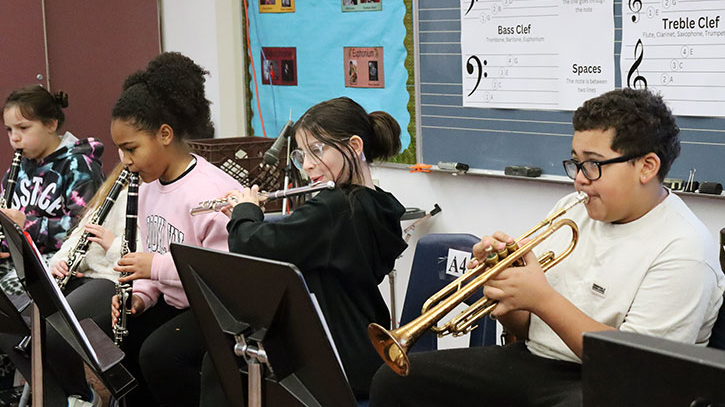
Accurate but Lifeless explores why school ensembles can sound technically precise yet feel emotionally flat. Part 1 examines research on motivation, identity, cognition, and performance to unpack the structural roots of disengagement. Part 2 moves from analysis to action, offering practical, research-informed strategies for designing more expressive, meaningful ensemble experiences.
Reaching More Students in Music: Hiring More Teachers or Redesigning Teaching Roles?
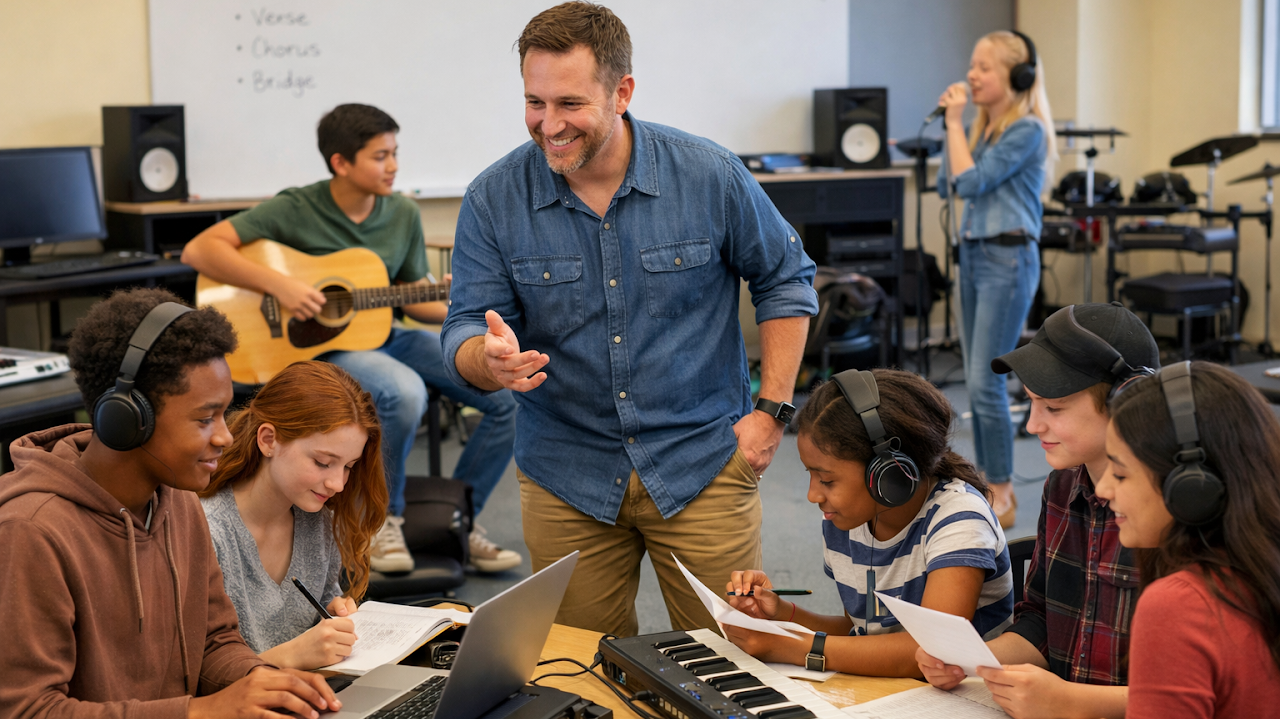
This article examines a growing tension in school music programs: whether expanding student participation should be addressed by hiring more music teachers or by redesigning how teachers’ roles and instructional time are structured. It argues that meaningful access depends on aligning staffing and instructional design around participation, flexibility, and long-term educational sustainability.

The Band 1–2–3 Framework: A Conceptual Model for Expanding Access and Musical Identity in School Bands
What if the problem in music education is not that students do not value music, but that our programs are not built for the students we have? This article challenges the traditional belief that advocacy is essential for music education’s survival and asks a deeper question about why advocacy is needed in the first place. Explore a bold argument that shifts the focus from changing students to transforming the system so music can speak for itself.

Questioning the Role of Advocacy in Music Education
What if the problem in music education is not that students do not value music, but that our programs are not built for the students we have? This article challenges the traditional belief that advocacy is essential for music education’s survival and asks a deeper question about why advocacy is needed in the first place. Explore a bold argument that shifts the focus from changing students to transforming the system so music can speak for itself.
Stop Buying Talent. Start Building Musicians: A Blueprint for Equitable and Non-Recruitment Music Education in Higher Education
Too often, music scholarships reward polish over potential, perpetuating inequity in higher education. This article proposes a new model, one that invests in growth, creativity, and community rather than recruitment and competition. By reimagining scholarships, admissions, and culture around inclusion and purpose, we can build a music school that cultivates educators and leaders who make music accessible to all.

Built for the Big: How Music Education Leaves Small Schools Behind
Small schools deserve music programs built for their realities, not scaled-down versions of big-school models. This article challenges the “one-size-fits-all” approach to music education and calls for programs that celebrate community, creativity, and belonging. By preparing teachers for rural contexts and redefining success beyond size and competition, we can create sustainable, joyful music experiences for every student, everywhere
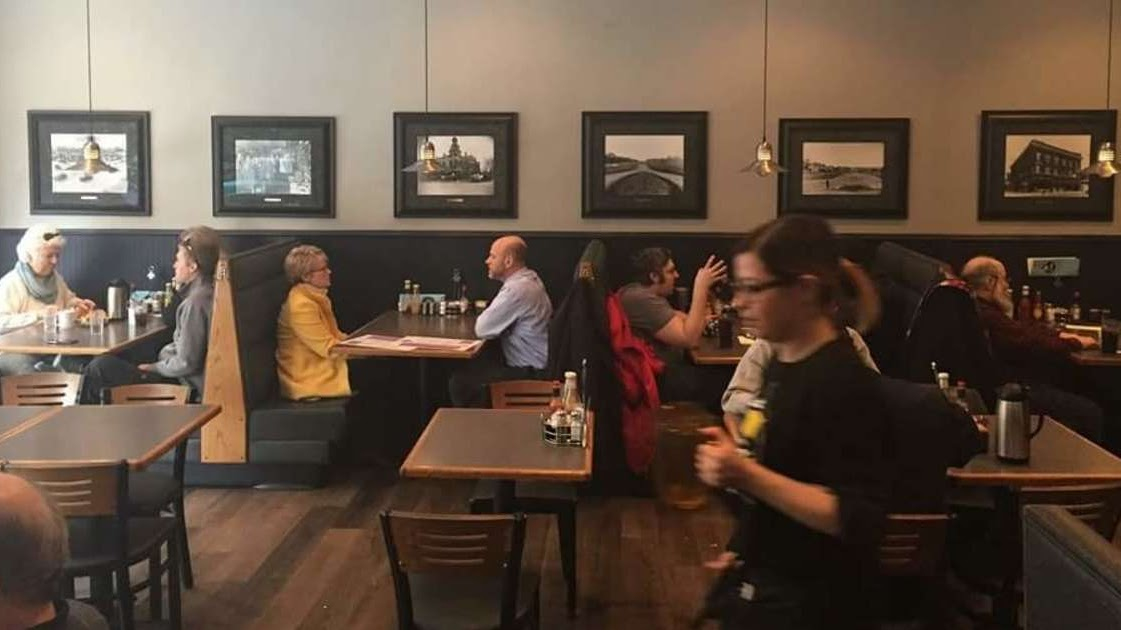
Feeding the People: Rethinking Music Education
Music education has become fine dining: polished, respected, and out of reach for too many students. As a lifelong band kid, I never questioned that model until I became a teacher. This article explores why modern band and popular music education can expand the table, creating more opportunities for students to belong, create, and make music that matters to them. (59 words)