
The Musician We Might Have Missed
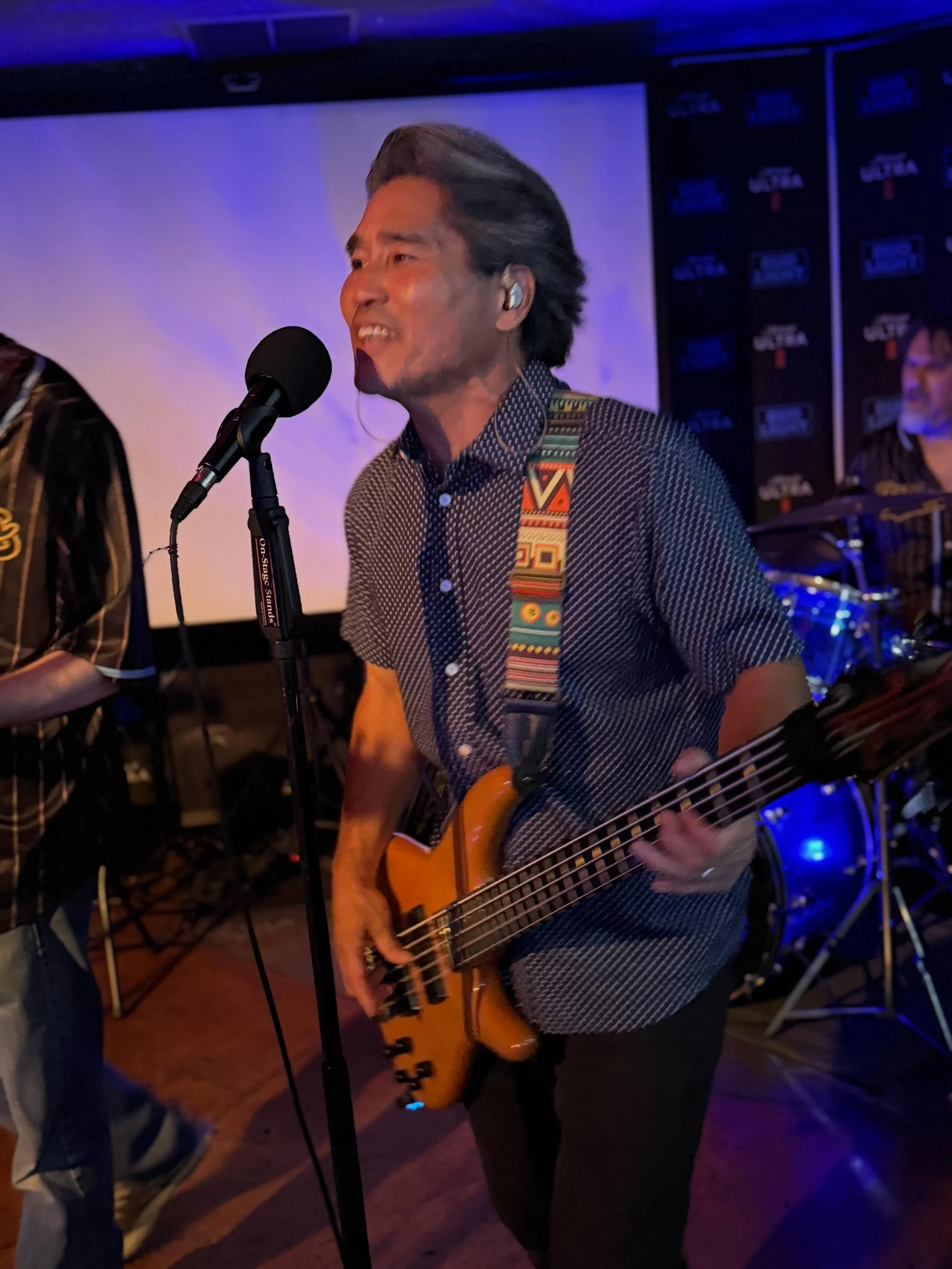
My friend Doug Yee recently walked onto a stage and experienced one of the most memorable moments of his life.
His band, Kroqodiles, was making its debut at the Foundation Room at House of Blues Anaheim. The invitation had come less than a month earlier, and getting ready had been stressful. Doug plays in the band, but he also handles musical direction, management, sound, marketing, and booking. An exciting opportunity meant more work for someone already carrying a lot.
Then he walked into the room.
Friends and family began arriving. Sound check went well. A sound engineer was handling the equipment, giving Doug a chance to focus on performing. So much of what he had worked toward was coming together.
Before he went onstage, his best friend told him, “Just have fun!”
And he did.
Doug told me he performed with a freedom he hadn’t experienced before. He wasn’t perfect, but the mistakes didn’t bother him the way they might have in the past. He felt the rush of being fully present in the music. Afterward, people kept telling him how happy he looked.
“I had one of the most memorable moments in my life from music,” he wrote.
What stays with me is that, among the friends I’ve stayed connected with since school, the one now making music so publicly, and giving it such a large place in his life, is someone who didn’t participate in our high school music programs.
As a music educator, I think that deserves our attention.
Before music, there was baseball
Doug and I played on the same baseball teams growing up. His dad was my Little League coach for my last two years.
When I shared a draft of this post with Doug, he brought our conversation back to something he had learned from his dad: “Every kid has something to contribute to the team; find it and nurture it, keep giving them chances, and they will find a way to shine.”
That gave me another way to understand his story.
Years ago, Doug and I were kids on a baseball team, with his dad helping us find ways to contribute. Today, I work with future music teachers and think about a similar responsibility: getting to know students well enough to recognize what they bring, helping them develop it, and giving them opportunities to contribute.
Doug recognized that connection immediately.
He always loved music
Doug had some music instruction as a child: a few months of clarinet in a band at La Subida and brief experiences with guitar and piano, all before he was ten. He remembers being bored. He needed movement and competition, and those experiences didn’t hold his interest.
But he always loved music.
In 2013, he went to a yard sale to pick up a used clothes dryer. Someone gave him an inexpensive electric guitar and an amp. That unexpected gift opened a possibility. He bought an iRig, downloaded GarageBand, and found teachers on YouTube. He began learning the songs he wanted to play.
Eventually, his wife mentioned a local band that needed a bass player. Doug borrowed a bass from a friend and joined. The band had formed through a bucket list program at Rock Stars.
His musical life grew from there.
Today, alongside his work with Kroqodiles, Doug writes songs and composes music for acoustic guitar. He has given his first solo acoustic performance and is starting an acoustic duo with the band’s vocalist, creating their own interpretations of music they love.
He spends some part of every day working on music.
Who do we recognize as musical?
I think fondly of my band and choir friends from Los Altos High School. We shared experiences that mattered, and public performance today is only one way music might continue to matter in their lives. Those friendships, memories, and musical experiences have value of their own.
Still, Doug’s story makes me pause.
If we had been asked in high school who would eventually perform, compose, and manage a band, many of us probably would have looked toward the music department. Doug reminds me to look more widely.
We know the students enrolled in our programs. We hear them rehearse, watch them improve, and help them prepare for performances. It is easy to think of them as the students who love music. There are other students whose musical interests we may know very little about.
Some make beats, write lyrics, learn songs online, or sing with friends. Some listen closely and imagine what they might create. Some would love to begin but cannot see themselves in any of the options their school offers.
A student’s absence from our music program tells us very little about how much music matters to them.
Doug believes musical potential is much more widespread than we recognize. He wonders about the young person who hasn’t yet had the opportunity, mentoring, or encouragement to discover what they could do.
I wonder about that student, too. And I want us to offer opportunities broadly enough that students can discover possibilities we haven’t anticipated.
What gave the learning a purpose?
Doug’s story includes considerable learning. He sought instruction, practiced songs, took on a new instrument, and learned to work with other musicians. Songwriting, arranging, performing, and running sound have given him more things to figure out.
His enthusiasm has sustained real effort.
What interests me is how that effort connected to something he wanted to do. He had songs he wanted to play. Then he had a band that needed him. As his interests grew, new challenges became worth taking on. He could make decisions about his musical direction and hear the results. He could contribute something that mattered to other people.
That brings me back to his dad’s lesson about a team. Finding a contribution is only the beginning. Someone has to nurture it. Someone has to keep offering chances as a young person learns.
In music, that might mean helping a beginning guitarist play a part that works with the group, giving a student time to develop a lyric, or helping someone turn a beat into a finished recording. A meaningful contribution can grow in complexity as confidence and skill develop.
We need to know students well enough to help them find that starting point.
Does the invitation feel inviting?
Many music teachers sincerely welcome everyone. Students experience that welcome through the opportunities actually available to them.
Can they begin in high school without previous experience? Can they learn guitar, write songs, record, produce, DJ, or sing in a small group? Can they participate when a yearlong ensemble doesn’t fit their schedule? Is there room for the music they already care about?
A school can offer excellent ensembles while still having students who struggle to find their place. For those students, a general invitation to join may not be enough. We may need another point of entry: a short project, a beginning guitar group, a songwriting opportunity, or a few friends learning songs together.
These experiences need thoughtful teaching and support. They also give us more ways to discover what students can do and help their interests grow. Doug found an inviting path as an adult. I’m glad he did. I also wonder what an opportunity like that could have meant to him earlier.
Keep giving them chances
Before the Anaheim performance, Doug had begun to feel weighed down by the responsibilities he had assumed. Our conversation about his story, along with encouragement from other people, helped him remember why he had chosen this path. A meaningful musical life includes preparation, frustration, responsibility, and moments when someone needs encouragement.
Then there are nights when the effort comes together.
Doug told me he doesn’t intend to chase that exact feeling from the performance. He wants to remember it as a reason to enjoy the process and appreciate what his effort makes possible.
That is a beautiful goal for music education: helping students develop a musical life they want to continue, with the skills, confidence, relationships, and independence to keep making it their own.
Doug’s dad understood that every kid had something to contribute. Doug carried that lesson with him, and hearing it now makes me think about our responsibility as teachers. Somewhere in a school today is a student who loves music but hasn’t joined any of the programs we offer. We may not yet know what that student could contribute. They may not know either.
We can ask what they love. We can help them explore. We can nurture what begins to emerge.
And we can keep giving them chances.
