
THE FLIPSIDE
The Flipside is a space for rethinking music education. Through honest reflection, bold ideas, and real-world experiences, this blog challenges traditional assumptions and explores what music learning can become. From modern band and inclusive practices to creativity, community, and lifelong musicianship, The Flipside looks beyond “the way it’s always been” and asks what truly serves students.
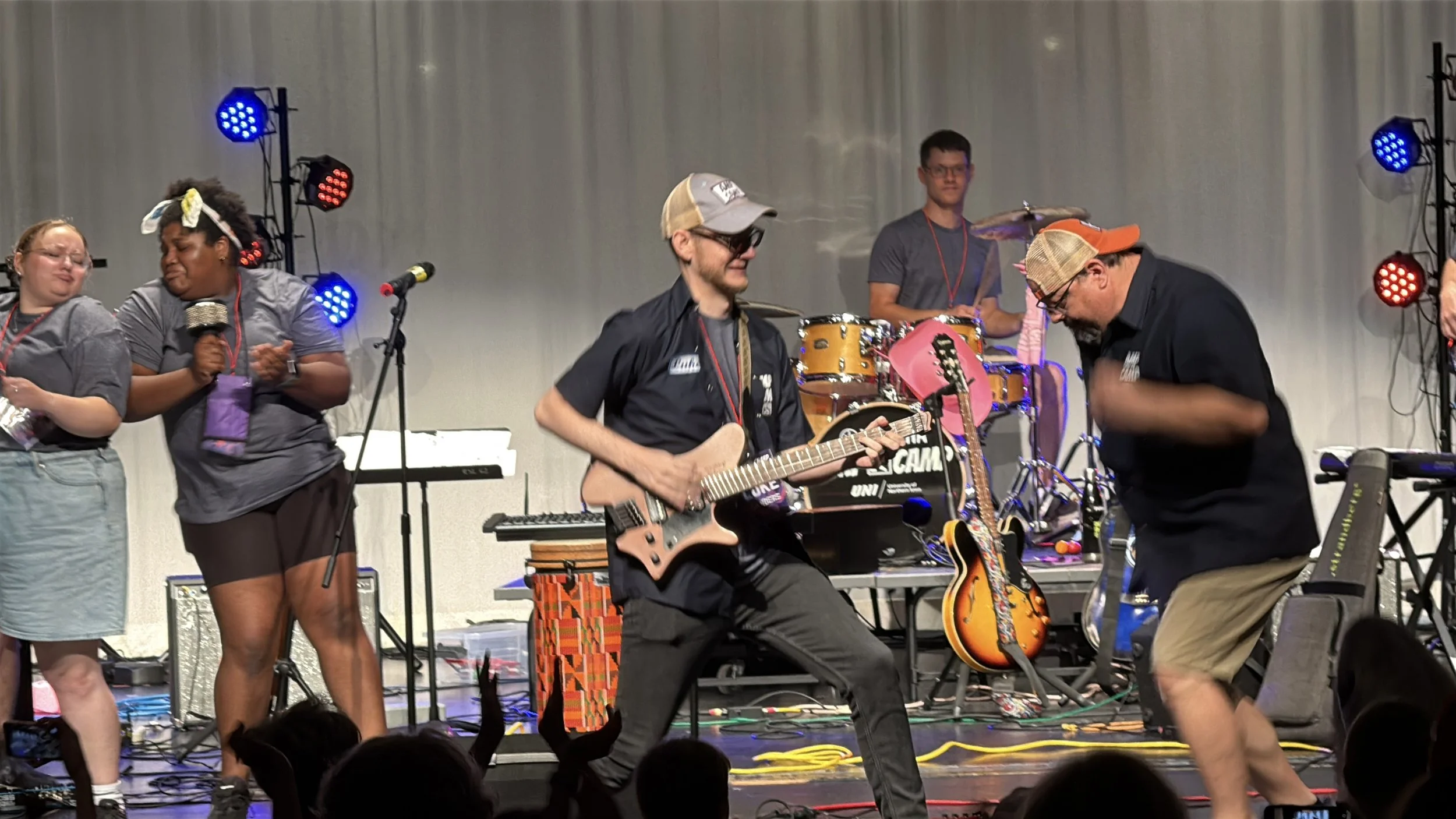
The Embodiment Phase: Designing for Participation
Designing Musical Growth – Essay 3
What happens after students learn the notes? Too often, we assume expression will naturally follow. In this essay, I introduce the Embodiment Phase—the point where students move beyond simply producing music and begin participating through their whole body. Discover why movement isn't
The Technical Phase: Designing for Fluency
Designing Musical Growth – Essay 2
Technical fluency is essential, but it isn't the destination of music learning. In this essay, I explore how Cognitive Load Theory helps explain why students often look like "statues" when learning new music and why that's a normal part of the process. More importantly, I argue that the Technical phase should be intentionally designed to prepare students for ownership, expression, and meaningful musical connection.
What Kind of Musician Are We Trying to Develop?
Designing Musical Growth – Essay 1
That simple question has reshaped how I think about music education. In this essay, I introduce a new framework for understanding musical growth—not just as technical development, but as a journey from Technical, to Embodiment, to Sharing. What if the ultimate goal of music education is helping students use music to make a difference in someone else's life?
Preparing Students for Musical Life
What is school music actually preparing students for once school ends? In this reflective essay, Kevin Droe explores the difference between performing music and truly participating in music, questioning whether traditional ensemble models fully prepare students for lifelong musical engagement. The piece examines self-directed musicianship, creativity, and the need to reconnect music education with real human musical life beyond school walls.
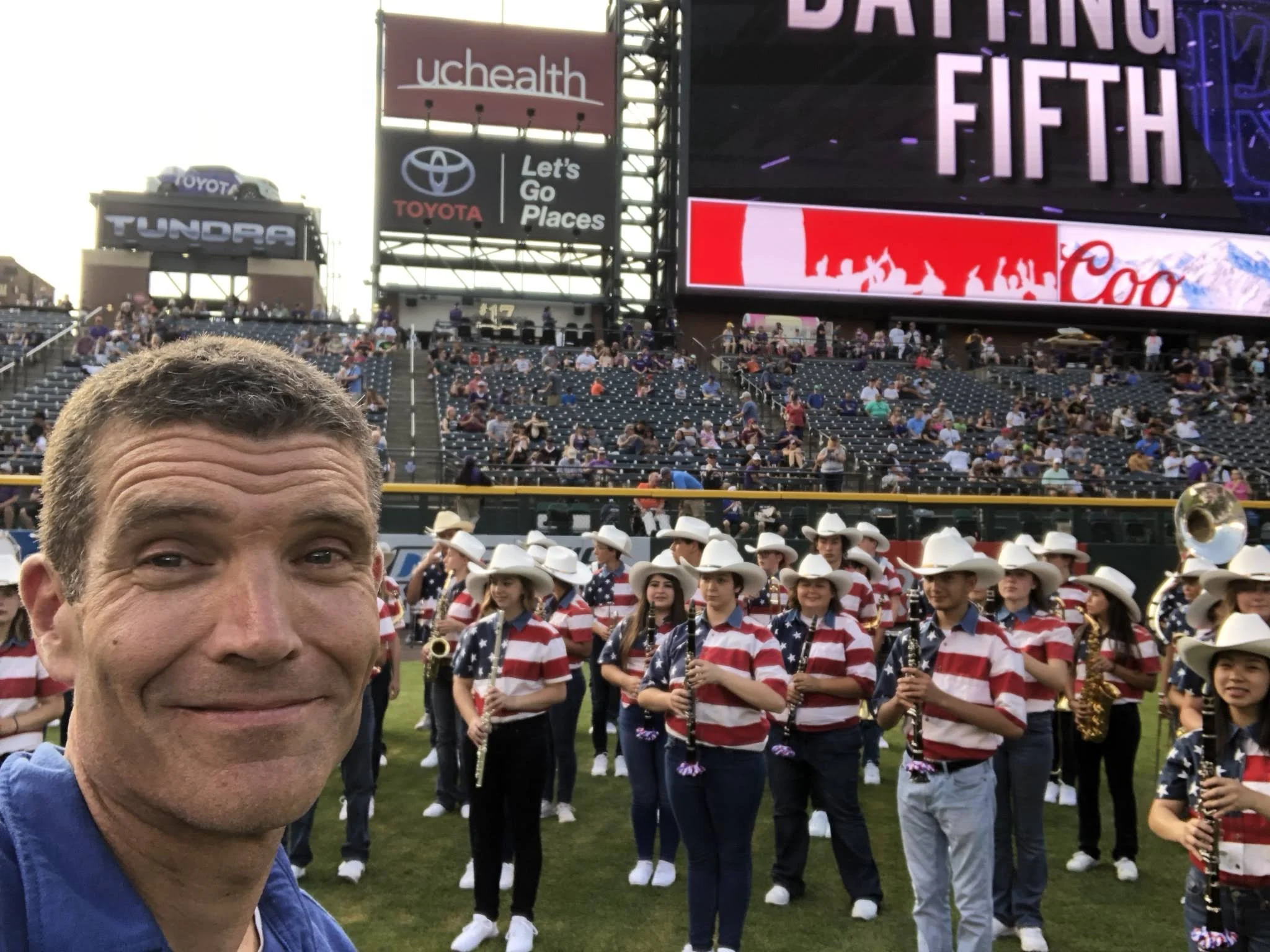
I Thought Music Teachers Had to Stand at the Center of the Room
I used to think becoming a music teacher meant becoming the person at the center of the room: confident, commanding, comfortable with everyone watching. The problem was, that never fully felt like me. For years, I thought something was wrong with that. This post is about discovering that teaching does not have to look only one way and neither does leadership.
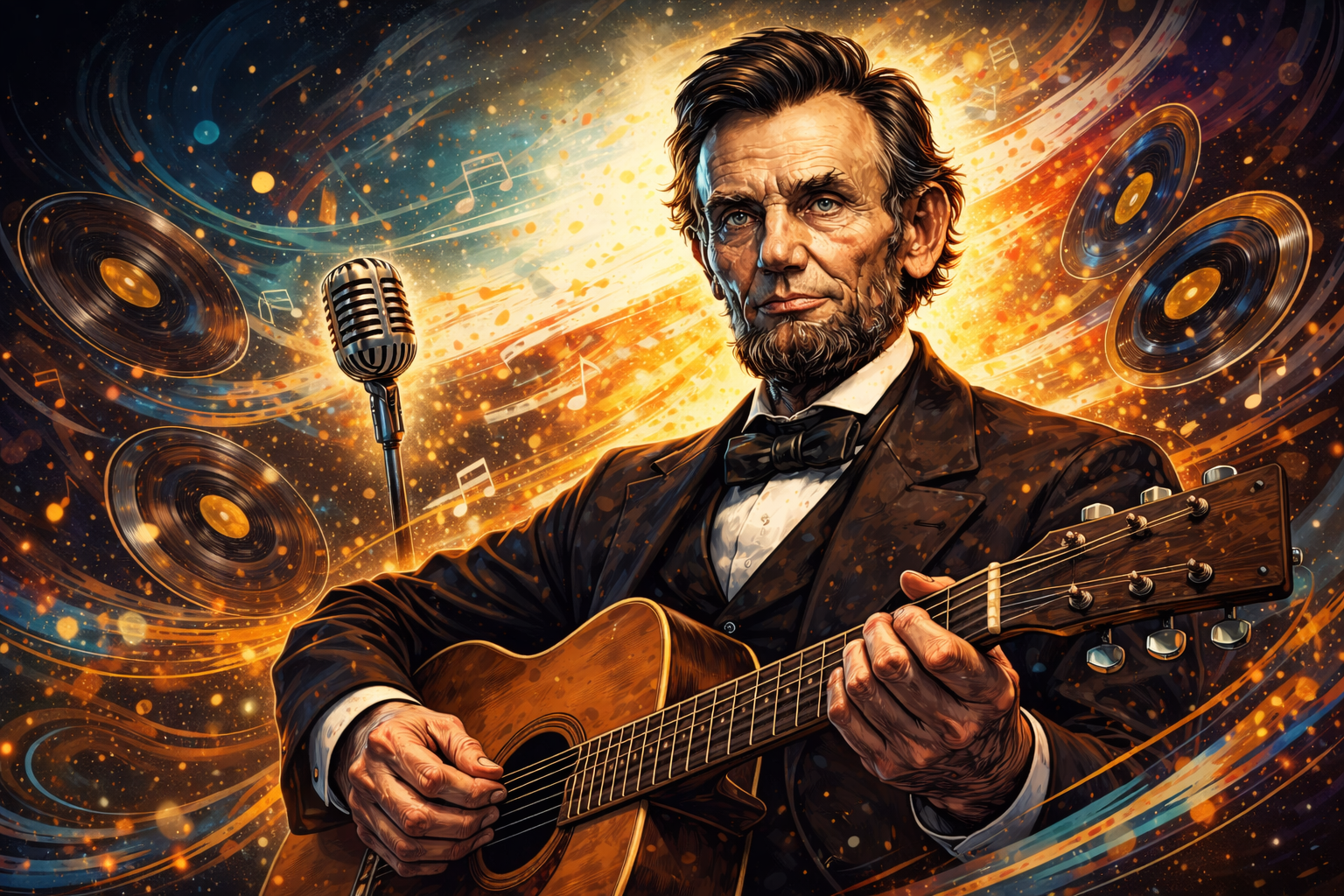
Music Education of the People, by the People, for the People
When Abraham Lincoln described a government of the people, by the people, for the people, he offered more than a political ideal. He offered a way to think about systems that truly belong to those they serve. Music education can reflect that same vision. It can begin with students’ musical lives, invite them to create and make decisions, and expand access so more learners can participate meaningfully. The question is not just what we teach, but who music education is ultimately for.