
THE FLIPSIDE
The Flipside is a space for rethinking music education. Through honest reflection, bold ideas, and real-world experiences, this blog challenges traditional assumptions and explores what music learning can become. From modern band and inclusive practices to creativity, community, and lifelong musicianship, The Flipside looks beyond “the way it’s always been” and asks what truly serves students.
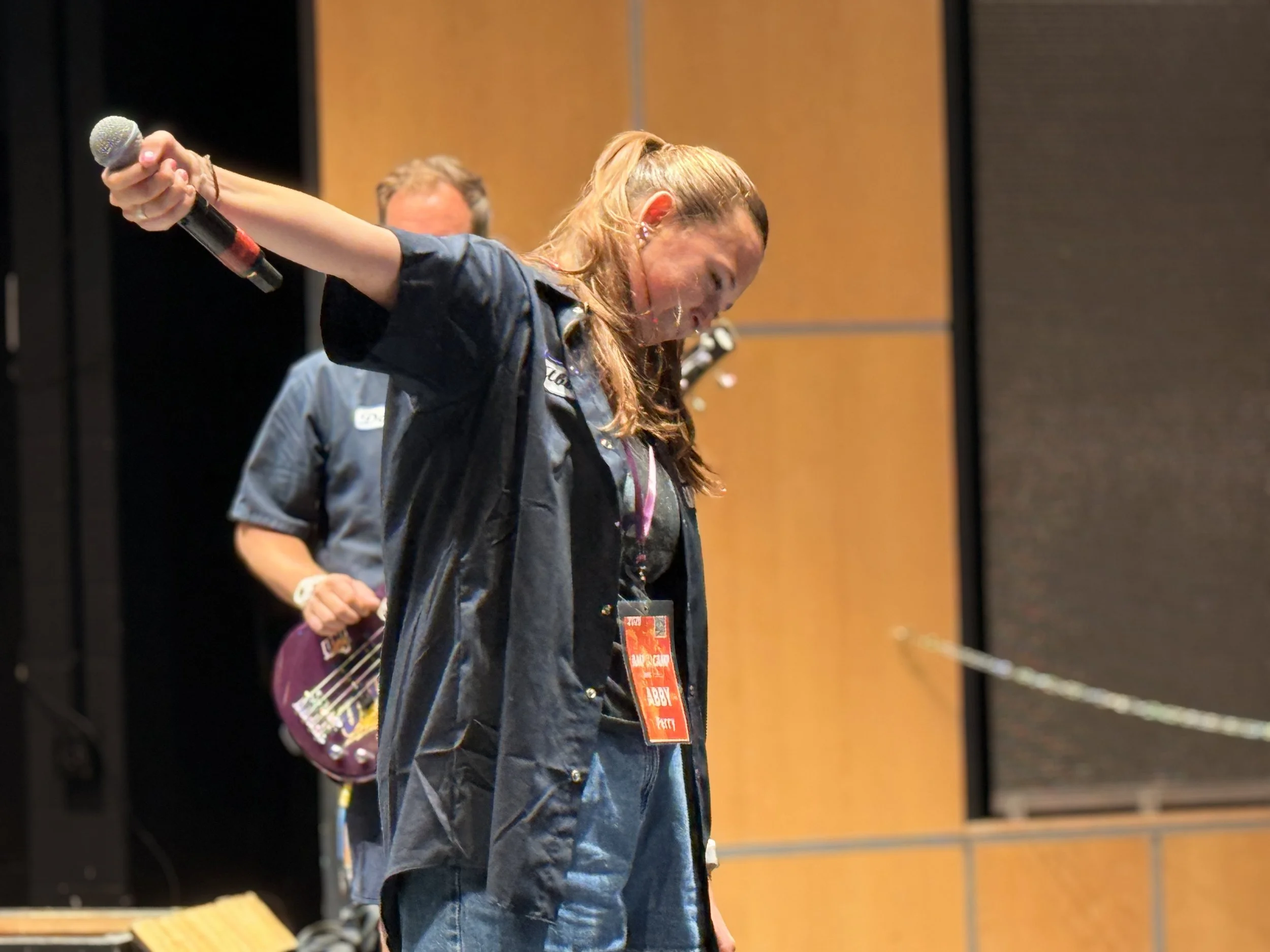
Before the Students Took the Stage, Their Coaches Did
At Amp Camp, students learned performance by watching their own teachers and coaches take the stage. Staff bands modeled how musicians embody music, connect with one another, and share energy with a crowd. Meanwhile, campers practiced being enthusiastic audience members. Together, these experiences transformed the final concert into a joyful community celebration rather than a formal recital under quiet observation.
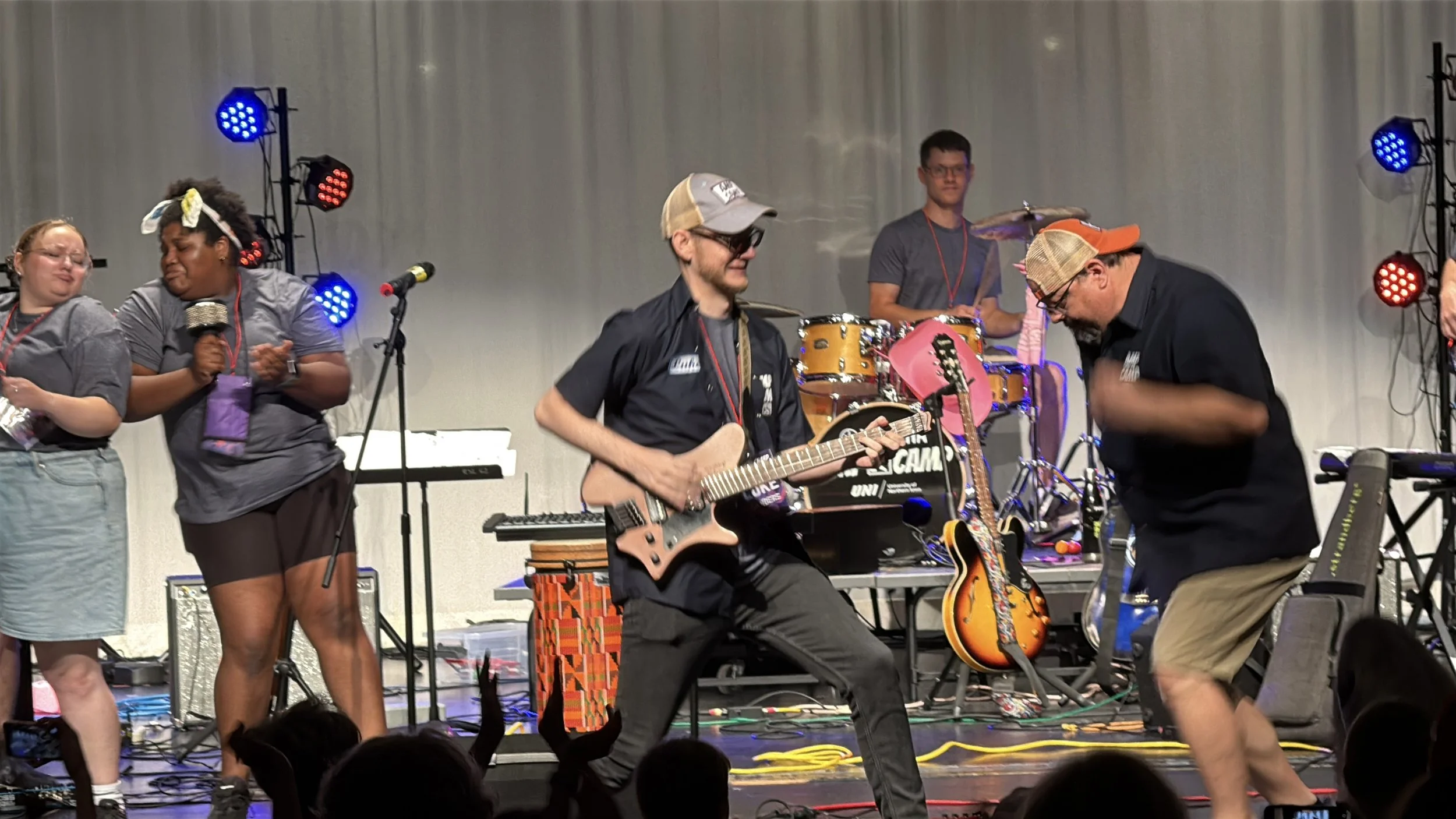
The Embodiment Phase: Designing for Participation
Designing Musical Growth – Essay 3
What happens after students learn the notes? Too often, we assume expression will naturally follow. In this essay, I introduce the Embodiment Phase—the point where students move beyond simply producing music and begin participating through their whole body. Discover why movement isn't
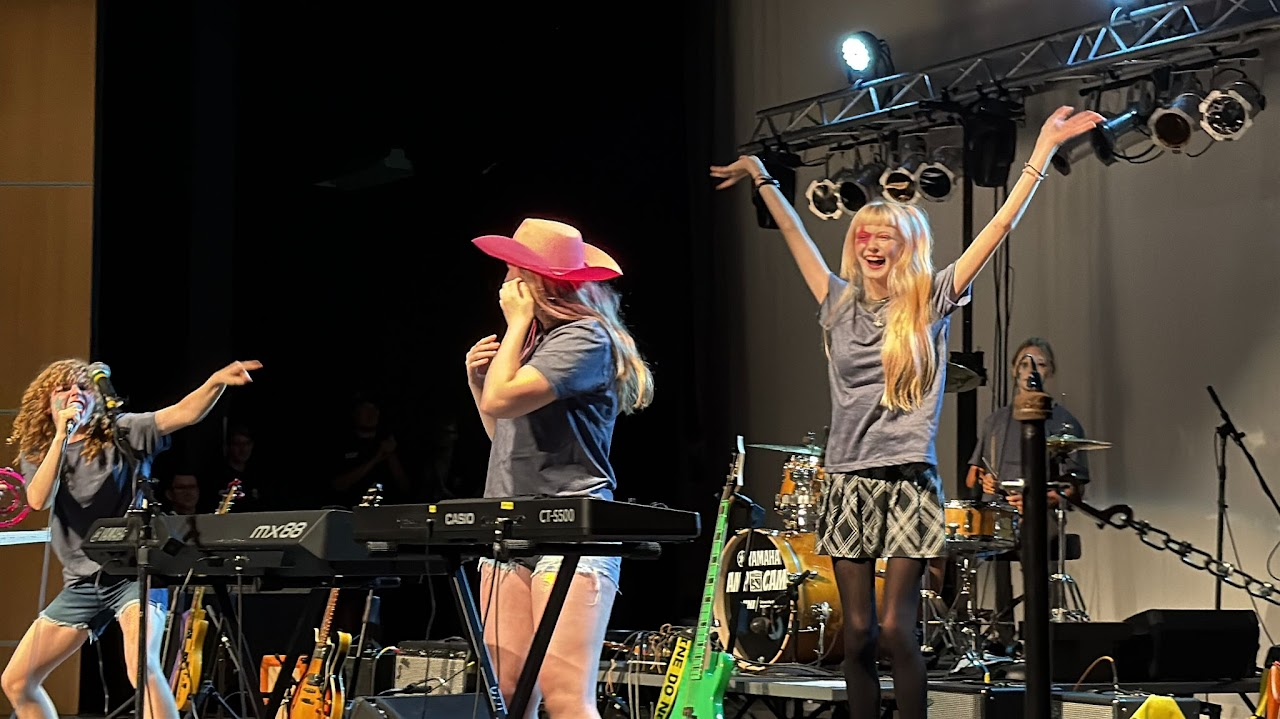
Accurate but Lifeless?Designing Musically Alive Ensembles (Part 2)
Part 2 moves from analysis to application, translating research on engagement, cognition, and identity into practical rehearsal strategies. Through small shifts in rehearsal design (reducing notation dependence, increasing student agency, encouraging movement, fostering interaction, and framing performance as communication), directors can cultivate ensemble environments where technical accuracy and musical vitality thrive together.
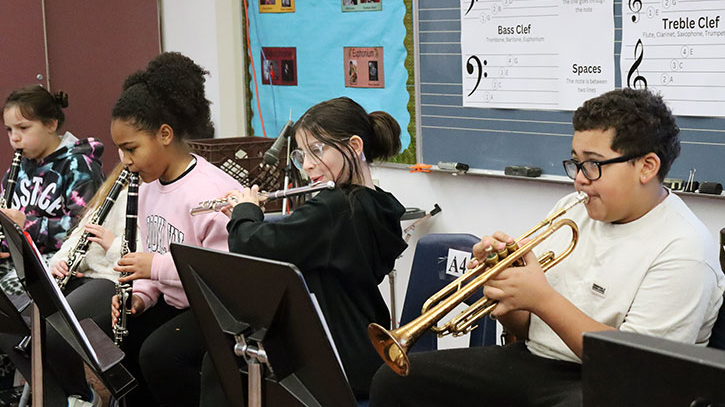
Accurate but Lifeless? Structural Barriers to Musical Aliveness in School Ensembles (Part 1)
Accurate but Lifeless explores why school ensembles can sound technically precise yet feel emotionally flat. Part 1 examines research on motivation, identity, cognition, and performance to unpack the structural roots of disengagement. Part 2 moves from analysis to action, offering practical, research-informed strategies for designing more expressive, meaningful ensemble experiences.