
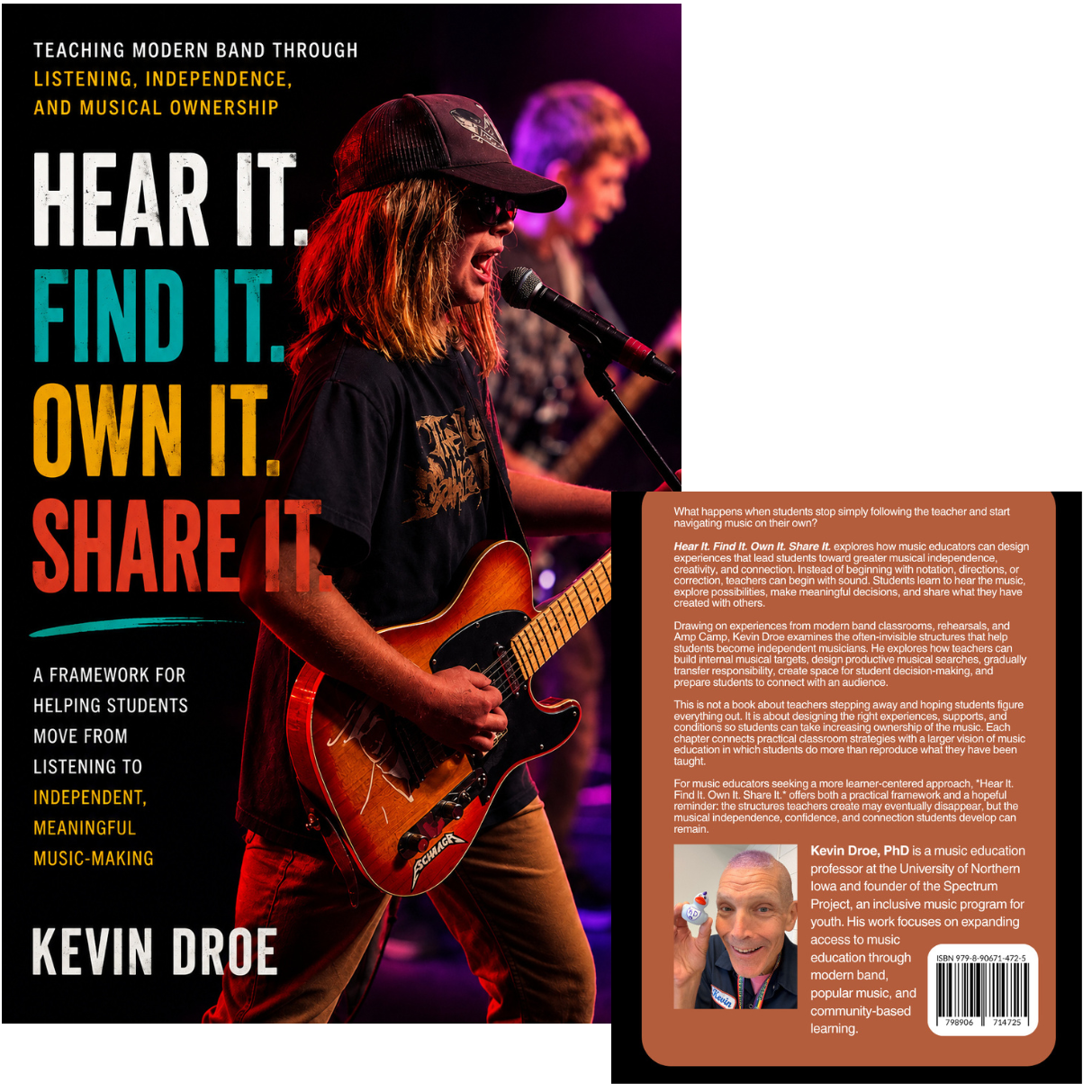
Hear it. Find it. Own it. Share it. - Designing Music Learning for Independence, Ownership, and Connection
What happens when students stop following the teacher and begin making music for themselves? Hear It. Find It. Own It. Share It. offers a practical framework for helping students listen deeply, solve musical problems, make meaningful decisions, and perform with independence, confidence, and genuine connection to one another and their audience.
Beginning Scratching
What if a turntable were treated not as playback equipment, but as an instrument? This lesson invites students into the world of DJing by transforming scratching into a hands-on, creative, and rhythmic musical experience. Beginning with simple movements and progressing toward coordinated fader techniques, students quickly move from imitation to improvisation. With options ranging from professional DJ setups to mobile apps, scratching becomes accessible to any classroom, offering a powerful way to connect students to hip-hop culture, technology, and modern music-making in a way that feels immediate, relevant, and fun.
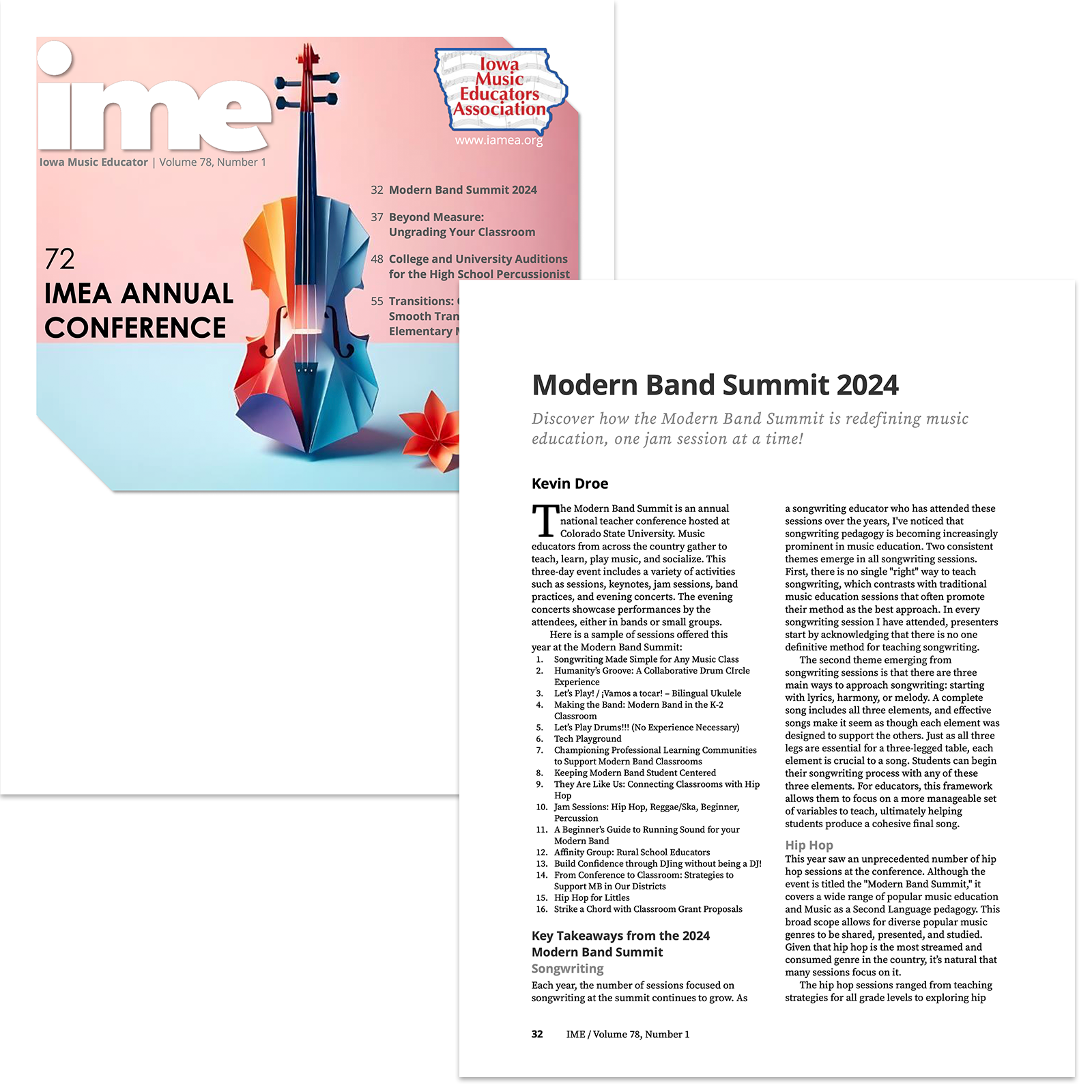
Modern Band Summit 2024: Discover how the Modern Band Summit is redefining music education, one jam session at a time!
What makes the Modern Band Summit so powerful is not just what teachers learn—it’s what they experience. In a space filled with jam sessions, songwriting, and collaboration, educators step back into the role of musician, rediscovering the joy of making music alongside others. Rather than promoting a single “right” way to teach, the summit embraces multiple pathways, whether through songwriting, hip hop, or technology, offering a vision of music education that is flexible, inclusive, and deeply connected to how people actually engage with music today.
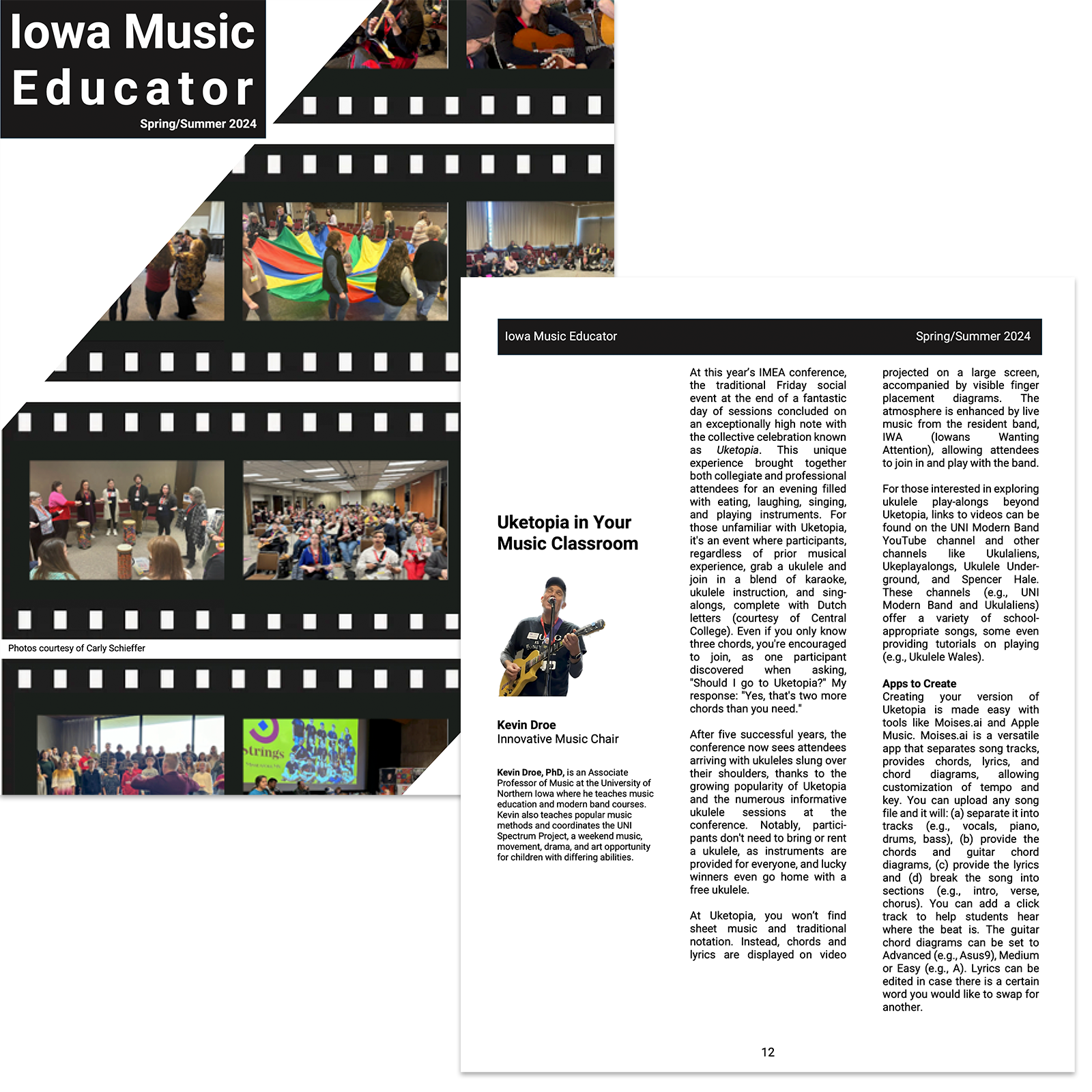
Uketopia in Your Music Classroom
What if your music classroom felt more like a jam session than a rehearsal? Uketopia creates a space where every student can jump in, no sheet music required, no prior experience necessary. With just a few chords, a familiar song, and a room full of people willing to sing and play together, music becomes immediate, social, and joyful. By combining technology, popular music, and student choice, Uketopia shifts the focus from perfection to participation—reminding us that music education is at its best when everyone is invited to play.
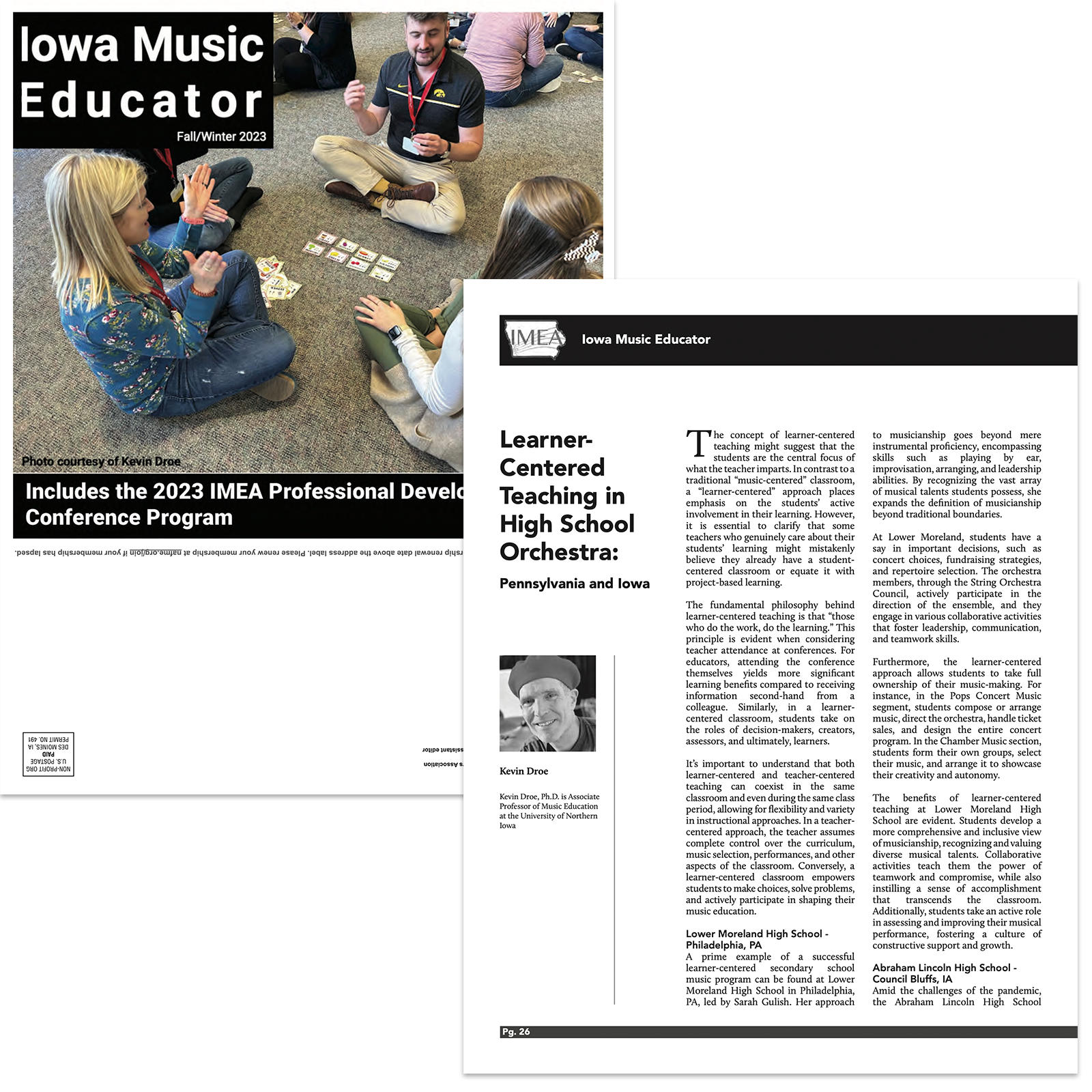
Learner-Centered Teaching in High School Orchestra: Pennsylvania and Iowa
In a learner-centered orchestra, students take on the roles of decision-makers, creators, and leaders. From selecting repertoire to directing performances and producing original work, they actively shape their musical experience. When students do the work, they do the learning, transforming the ensemble into a space for creativity, collaboration, and meaningful engagement.
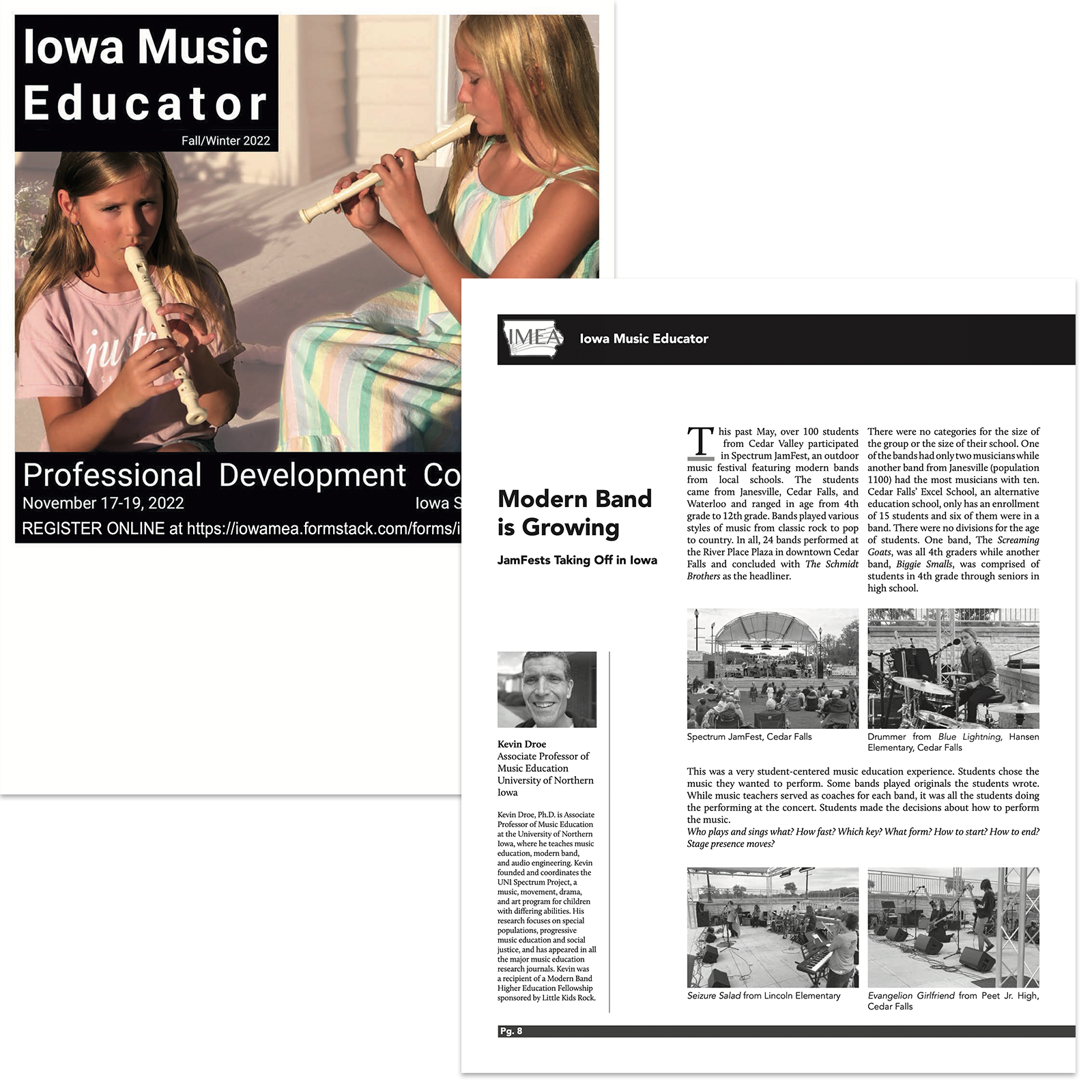
Modern Band is Growing: Jamfests Taking Off in Iowa
At a JamFest, there are no divisions, no rankings, and no barriers to entry. Students of different ages, backgrounds, and experience levels come together to perform music they have chosen and shaped themselves. Teachers step back into the role of coach, while students take ownership of the music, the performance, and the experience. As more schools expand the menu of music opportunities, JamFests show what is possible when music education is designed for participation, creativity, and belonging.