
THE FLIPSIDE
The Flipside is a space for rethinking music education. Through honest reflection, bold ideas, and real-world experiences, this blog challenges traditional assumptions and explores what music learning can become. From modern band and inclusive practices to creativity, community, and lifelong musicianship, The Flipside looks beyond “the way it’s always been” and asks what truly serves students.
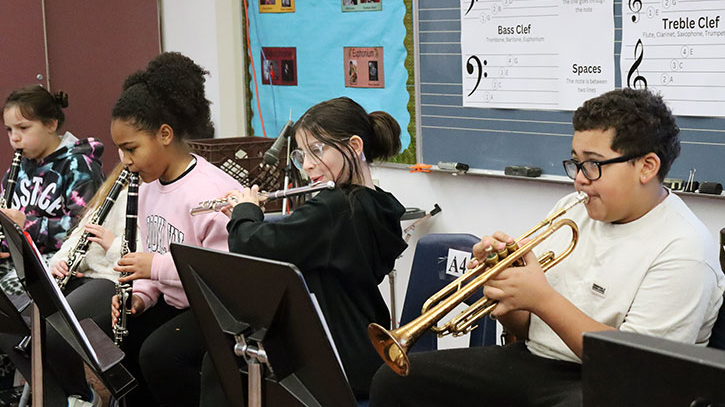
Accurate but Lifeless? Structural Barriers to Musical Aliveness in School Ensembles (Part 1)
Accurate but Lifeless explores why school ensembles can sound technically precise yet feel emotionally flat. Part 1 examines research on motivation, identity, cognition, and performance to unpack the structural roots of disengagement. Part 2 moves from analysis to action, offering practical, research-informed strategies for designing more expressive, meaningful ensemble experiences.
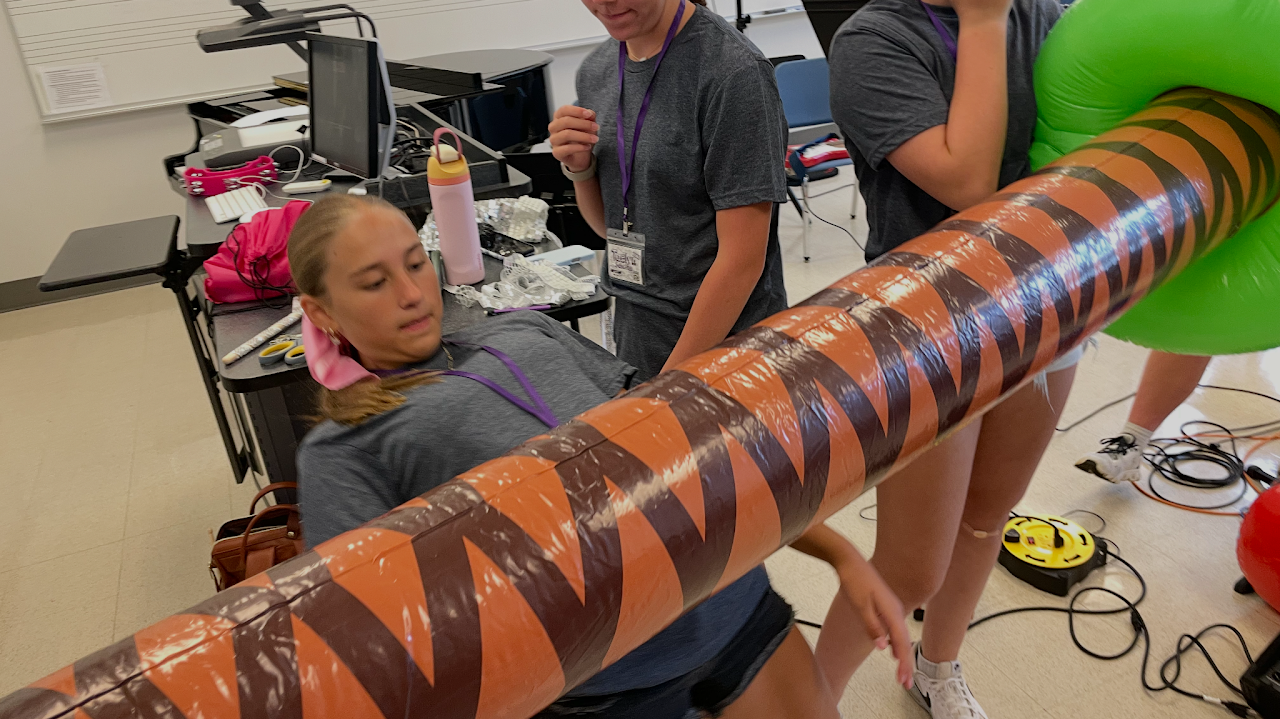
When Rehearsal Means Something Different: Understanding the Functional Differences Between Traditional Ensemble and Modern Band Rehearsals
This article explores the functional differences between traditional ensemble and modern band rehearsals, highlighting how goals, success markers, and rehearsal practices differ across settings. Written for music educators, it offers practical guidance for teaching students how to rehearse and practice effectively in modern band contexts while honoring the strengths of both approaches.
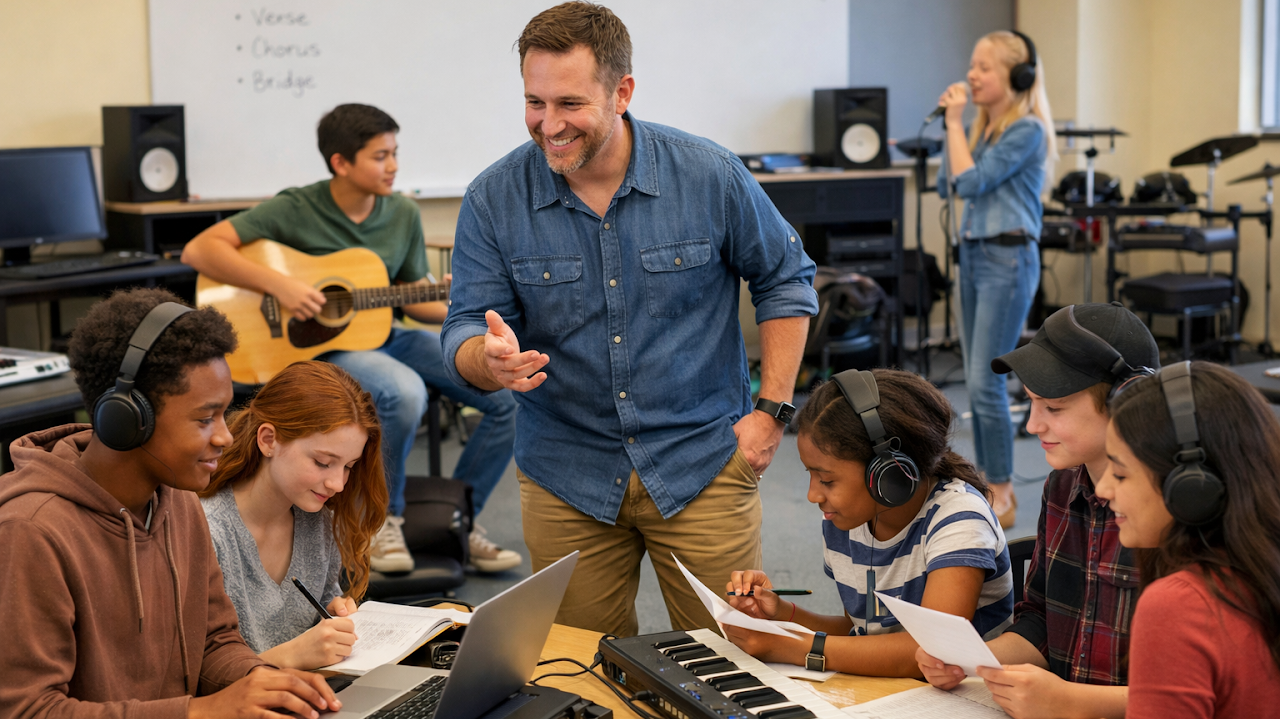
Reaching More Students in Music: Hiring More Teachers or Redesigning Teaching Roles?
This article examines a growing tension in school music programs: whether expanding student participation should be addressed by hiring more music teachers or by redesigning how teachers’ roles and instructional time are structured. It argues that meaningful access depends on aligning staffing and instructional design around participation, flexibility, and long-term educational sustainability.

Why Music Education Research Rarely Reaches the Classroom
Music education research is booming, yet its impact on real classrooms is barely a ripple. Why does so much scholarship stay trapped in academic circles while teachers struggle with practical challenges it could help solve? This article digs into the disconnect between researchers and practitioners, explores how other fields bridge similar gaps, and offers grounded, realistic ways to make music education research more accessible, usable, and meaningful for the teachers and students who need it most.

The Band 1–2–3 Framework: A Conceptual Model for Expanding Access and Musical Identity in School Bands
What if the problem in music education is not that students do not value music, but that our programs are not built for the students we have? This article challenges the traditional belief that advocacy is essential for music education’s survival and asks a deeper question about why advocacy is needed in the first place. Explore a bold argument that shifts the focus from changing students to transforming the system so music can speak for itself.

Questioning the Role of Advocacy in Music Education
What if the problem in music education is not that students do not value music, but that our programs are not built for the students we have? This article challenges the traditional belief that advocacy is essential for music education’s survival and asks a deeper question about why advocacy is needed in the first place. Explore a bold argument that shifts the focus from changing students to transforming the system so music can speak for itself.
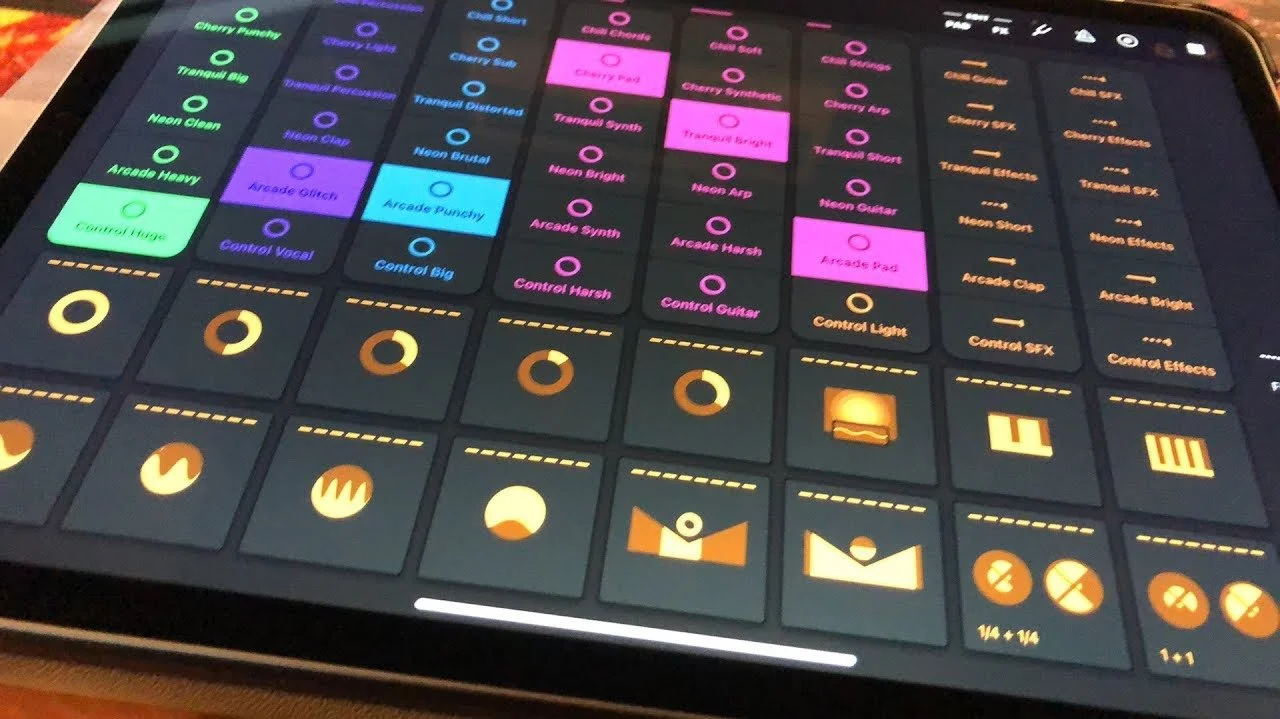
Rehearsing with Loops
Rehearsing with loops can transform the way students learn music. Instead of stopping, correcting, and restarting, looping allows students to repeat passages naturally, just like real practice. With a steady beat, a clear model, and plenty of chances to join in, students build confidence, internalize the sound, and take ownership of their learning. Whether you teach band, orchestra, choir, or modern band, looping offers a simple and powerful way to boost engagement and strengthen musical growth.

Sound Before Sight: A More Human Way to Teach Music and Keep Kids in It
Many beginners learn music by staring at the page before they’ve ever truly heard the song. The result? Hunting, pecking, frustration, and too many kids giving up. This article explores why a sound-before-sight approach not only builds stronger musicianship, but keeps students motivated and connected. By starting with listening, imitation, and audiation, teachers can help students feel successful sooner—and stay in music longer.

Teaching Music with Others in Mind: Centering Connection from the Start
What if music education began with one simple question: who is this for? Drawing on lessons from performing at Walt Disney World, I explore how teaching and performing with others in mind transforms music-making into a shared act of empathy, communication, and joy, reminding us that the heart of music lies in connection, not perfection.
Stop Buying Talent. Start Building Musicians: A Blueprint for Equitable and Non-Recruitment Music Education in Higher Education
Too often, music scholarships reward polish over potential, perpetuating inequity in higher education. This article proposes a new model, one that invests in growth, creativity, and community rather than recruitment and competition. By reimagining scholarships, admissions, and culture around inclusion and purpose, we can build a music school that cultivates educators and leaders who make music accessible to all.

Built for the Big: How Music Education Leaves Small Schools Behind
Small schools deserve music programs built for their realities, not scaled-down versions of big-school models. This article challenges the “one-size-fits-all” approach to music education and calls for programs that celebrate community, creativity, and belonging. By preparing teachers for rural contexts and redefining success beyond size and competition, we can create sustainable, joyful music experiences for every student, everywhere
Feeding the People: Rethinking Music Education
Music education has become fine dining: polished, respected, and out of reach for too many students. As a lifelong band kid, I never questioned that model until I became a teacher. This article explores why modern band and popular music education can expand the table, creating more opportunities for students to belong, create, and make music that matters to them. (59 words)