
THE FLIPSIDE
The Flipside is a space for rethinking music education. Through honest reflection, bold ideas, and real-world experiences, this blog challenges traditional assumptions and explores what music learning can become. From modern band and inclusive practices to creativity, community, and lifelong musicianship, The Flipside looks beyond “the way it’s always been” and asks what truly serves students.
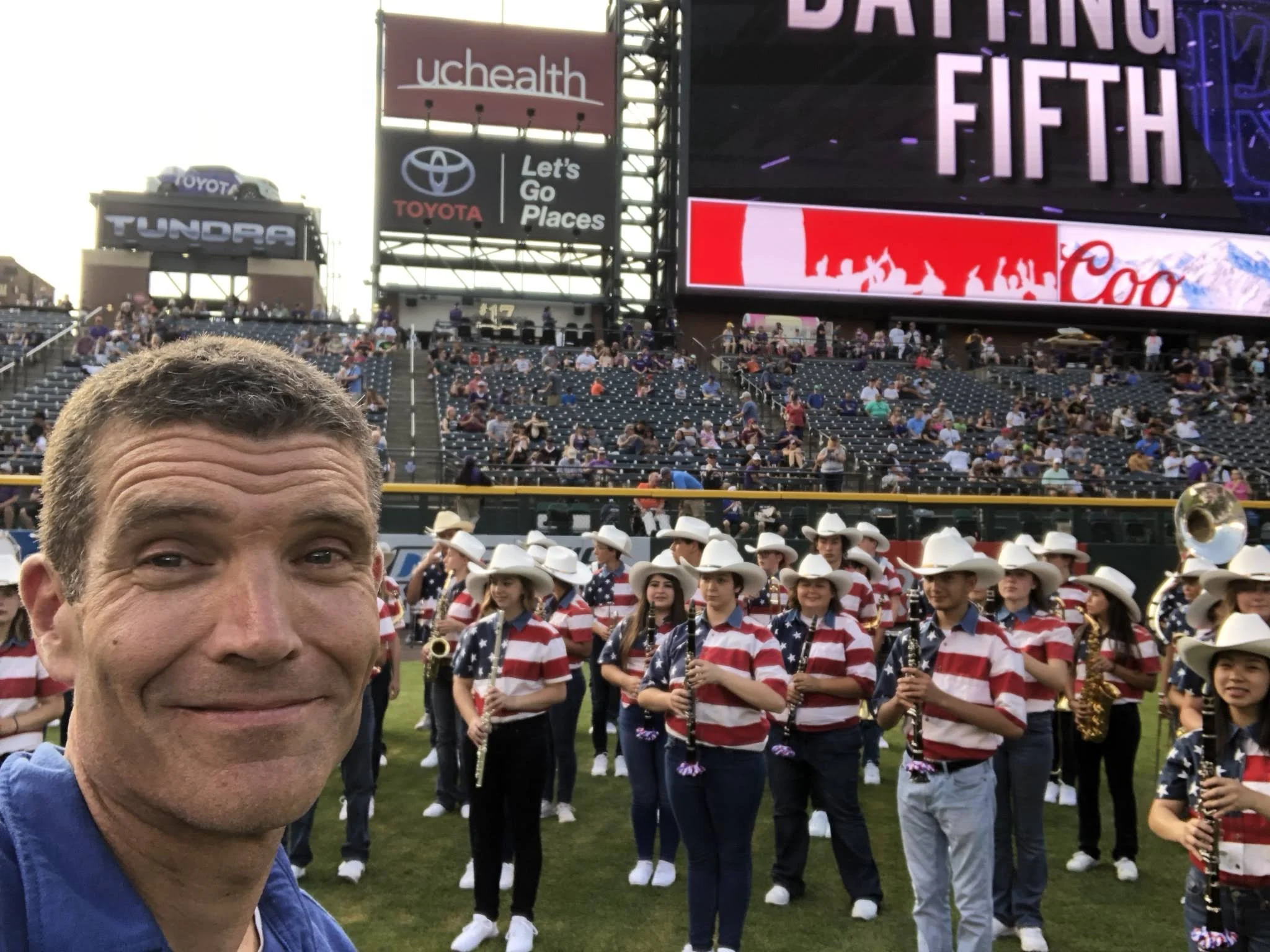
I Thought Music Teachers Had to Stand at the Center of the Room
I used to think becoming a music teacher meant becoming the person at the center of the room: confident, commanding, comfortable with everyone watching. The problem was, that never fully felt like me. For years, I thought something was wrong with that. This post is about discovering that teaching does not have to look only one way and neither does leadership.
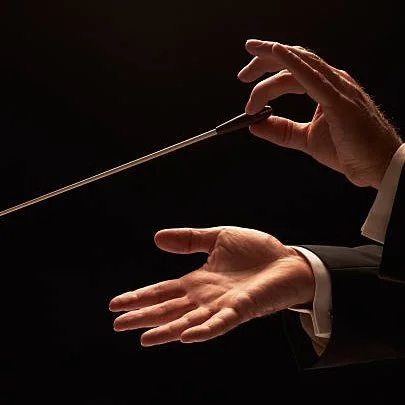
My Students Aren’t Wrong: Part 2 - They Want to Be the Conductor
In Part 2 of the “My Students Aren’t Wrong” series, I explore a question that has puzzled me for years: Why do some music education students seem more interested in conducting ensembles than working with children? I argue that students are responding logically to the systems they experienced. When musical value appears to come primarily from the conductor, it makes sense that students would aspire to become that person. But what happens when classrooms distribute value through creativity, participation, and shared music-making instead?
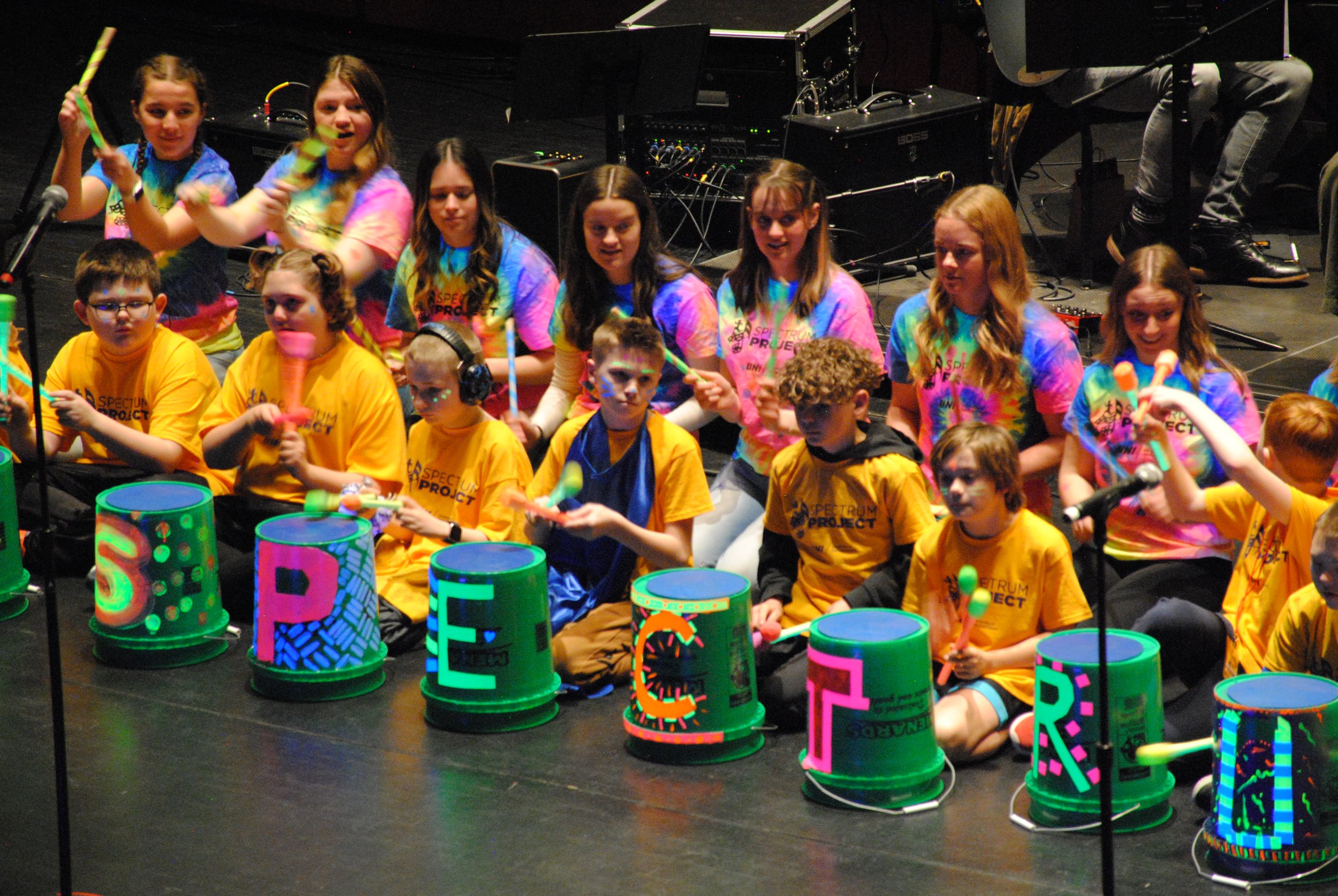
Who Shouldn’t Be in Music?
We often debate how many students participate in school music, but what if we’re asking the wrong question? Instead of focusing on percentages, this post explores a deeper idea: can we actually name a student who wouldn’t benefit from music? While many students don’t fit traditional ensembles, it’s hard to imagine anyone who wouldn’t benefit from creating, expressing, or connecting through music in some way.
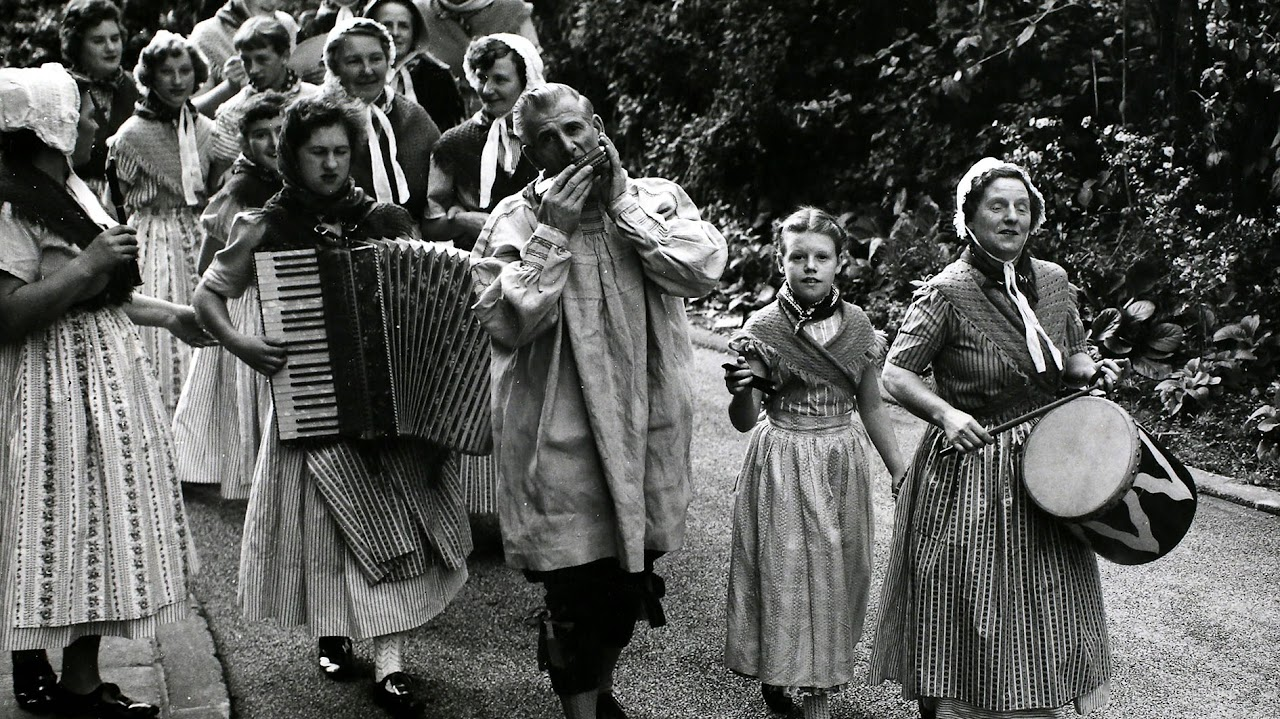
Before the Band Room: What School Music Forgot
School music often centers on large ensembles, but that model represents only a small slice of how humans have historically made music. This article explores how participatory traditions—singing, improvising, and playing in small groups—shaped music for centuries, and why modern band reconnects classrooms with these deeper roots of human music-making.
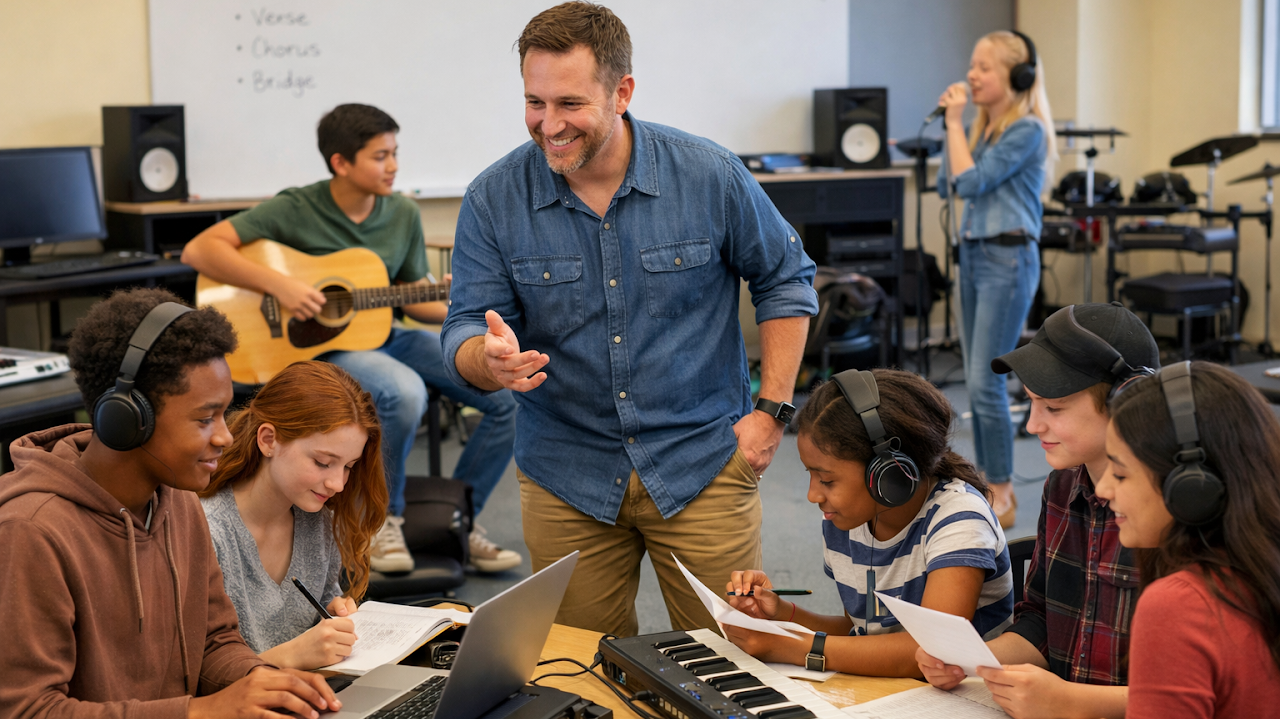
Reaching More Students in Music: Hiring More Teachers or Redesigning Teaching Roles?
This article examines a growing tension in school music programs: whether expanding student participation should be addressed by hiring more music teachers or by redesigning how teachers’ roles and instructional time are structured. It argues that meaningful access depends on aligning staffing and instructional design around participation, flexibility, and long-term educational sustainability.

The Band 1–2–3 Framework: A Conceptual Model for Expanding Access and Musical Identity in School Bands
What if the problem in music education is not that students do not value music, but that our programs are not built for the students we have? This article challenges the traditional belief that advocacy is essential for music education’s survival and asks a deeper question about why advocacy is needed in the first place. Explore a bold argument that shifts the focus from changing students to transforming the system so music can speak for itself.
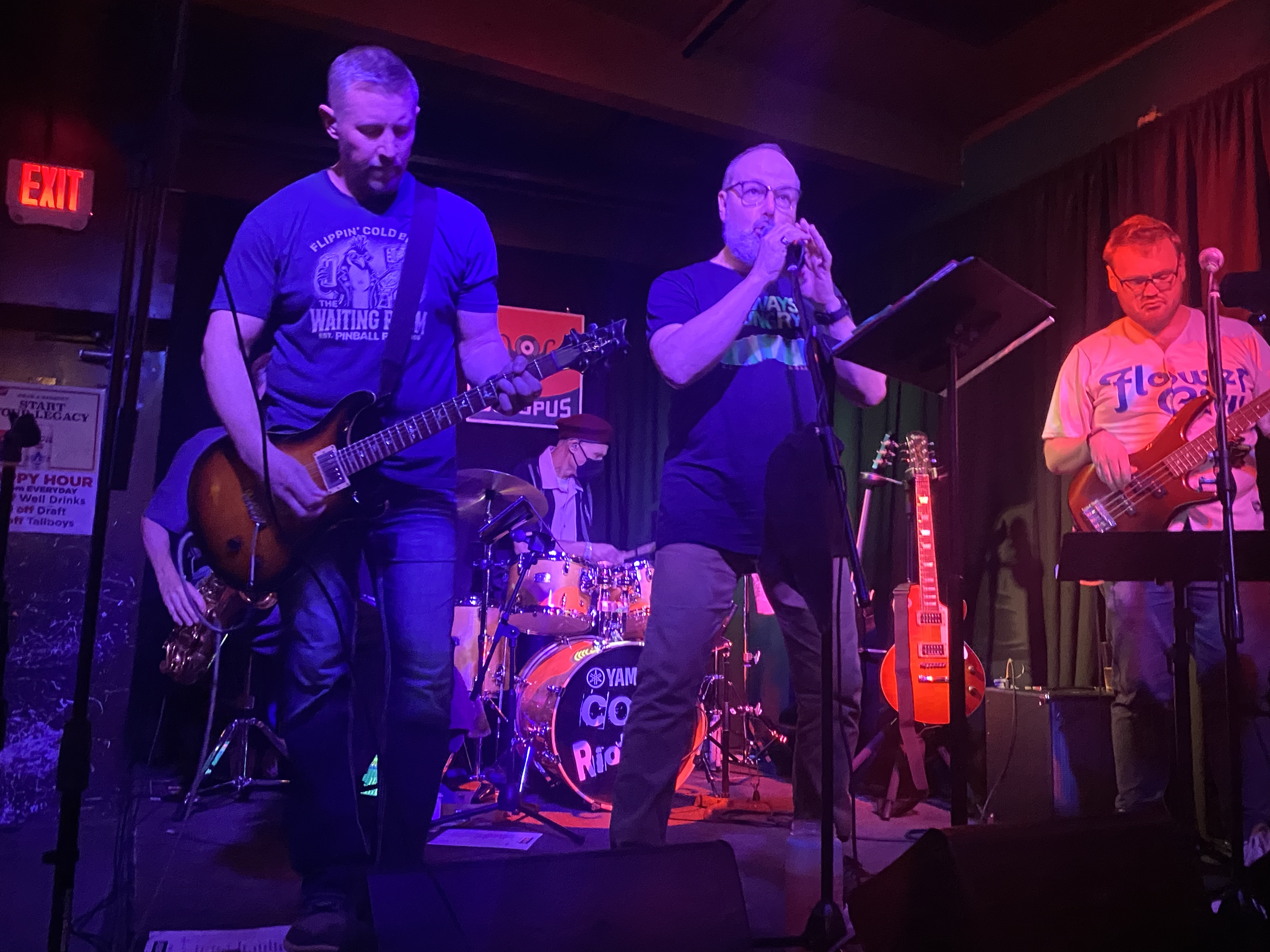
What If Adaptive Music Were Not an Adaptation?
What if music education for children with disabilities did not begin by adapting traditional classes? After watching students at River Hills dance, move, vocalize, and connect with a live band, I began imagining something entirely new: music classes designed around how children already experience music, with movement, choice, response, expression, belonging, and joy recognized as meaningful music-making.
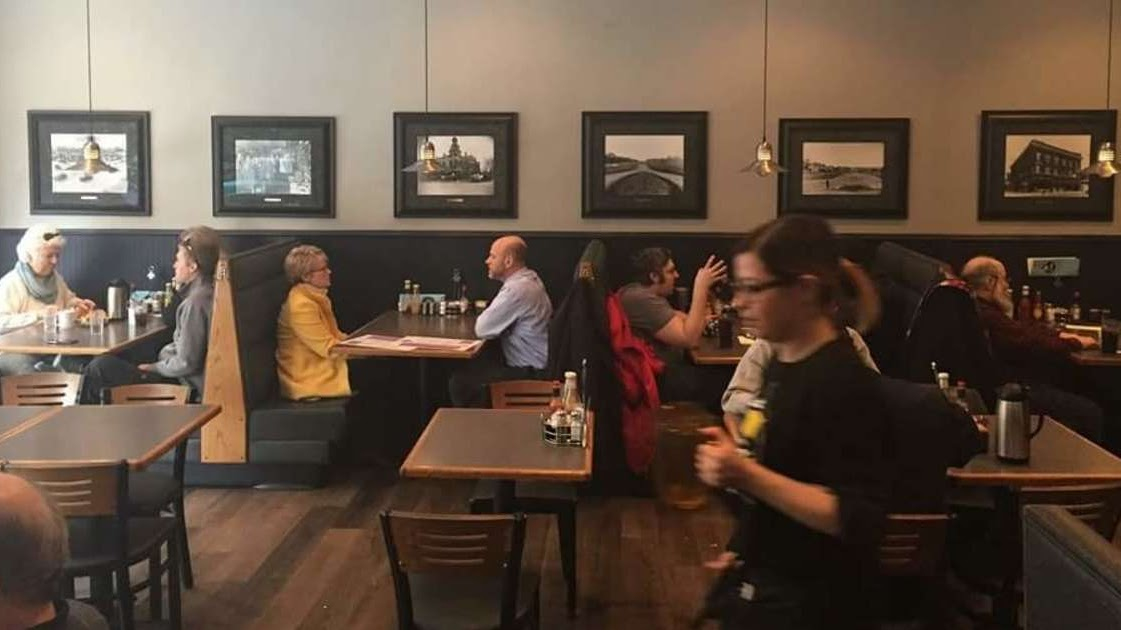
Feeding the People: Rethinking Music Education
Music education has become fine dining: polished, respected, and out of reach for too many students. As a lifelong band kid, I never questioned that model until I became a teacher. This article explores why modern band and popular music education can expand the table, creating more opportunities for students to belong, create, and make music that matters to them. (59 words)