
THE FLIPSIDE
The Flipside is a space for rethinking music education. Through honest reflection, bold ideas, and real-world experiences, this blog challenges traditional assumptions and explores what music learning can become. From modern band and inclusive practices to creativity, community, and lifelong musicianship, The Flipside looks beyond “the way it’s always been” and asks what truly serves students.
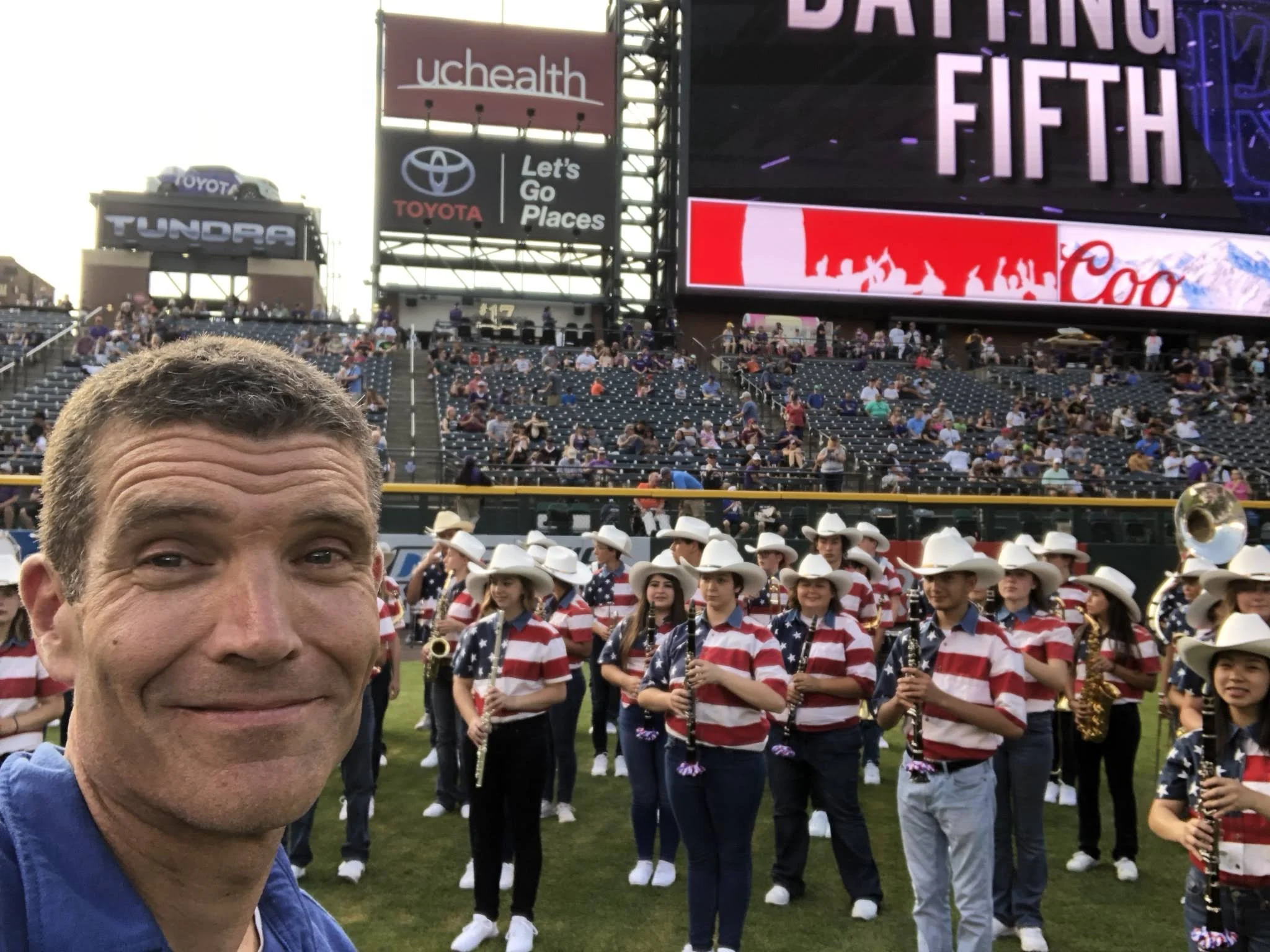
I Thought Music Teachers Had to Stand at the Center of the Room
I used to think becoming a music teacher meant becoming the person at the center of the room: confident, commanding, comfortable with everyone watching. The problem was, that never fully felt like me. For years, I thought something was wrong with that. This post is about discovering that teaching does not have to look only one way and neither does leadership.
My Students Aren’t Wrong: Part 3 - They Sit Still Because We Trained Them To
In Part 3 of “My Students Aren’t Wrong,” I reflect on watching modern band students sit motionless in rehearsal, not because they lacked passion, but because they were performing exactly how music education trained them to perform. This post explores the difference between technical accuracy and human connection, and asks what might happen if music education focused more on communication, energy, and audience engagement.
My Students Aren’t Wrong: Part 2 - They Want to Be the Conductor
In Part 2 of the “My Students Aren’t Wrong” series, I explore a question that has puzzled me for years: Why do some music education students seem more interested in conducting ensembles than working with children? I argue that students are responding logically to the systems they experienced. When musical value appears to come primarily from the conductor, it makes sense that students would aspire to become that person. But what happens when classrooms distribute value through creativity, participation, and shared music-making instead?

Music Education of the People, by the People, for the People
When Abraham Lincoln described a government of the people, by the people, for the people, he offered more than a political ideal. He offered a way to think about systems that truly belong to those they serve. Music education can reflect that same vision. It can begin with students’ musical lives, invite them to create and make decisions, and expand access so more learners can participate meaningfully. The question is not just what we teach, but who music education is ultimately for.
Music Literacy Is More Than Reading Notes
Music literacy is often reduced to reading notation, but that definition misses much of what it means to truly engage with music. This post explores a broader view of literacy that includes decoding, understanding, and expression, and how fluency connects them all.
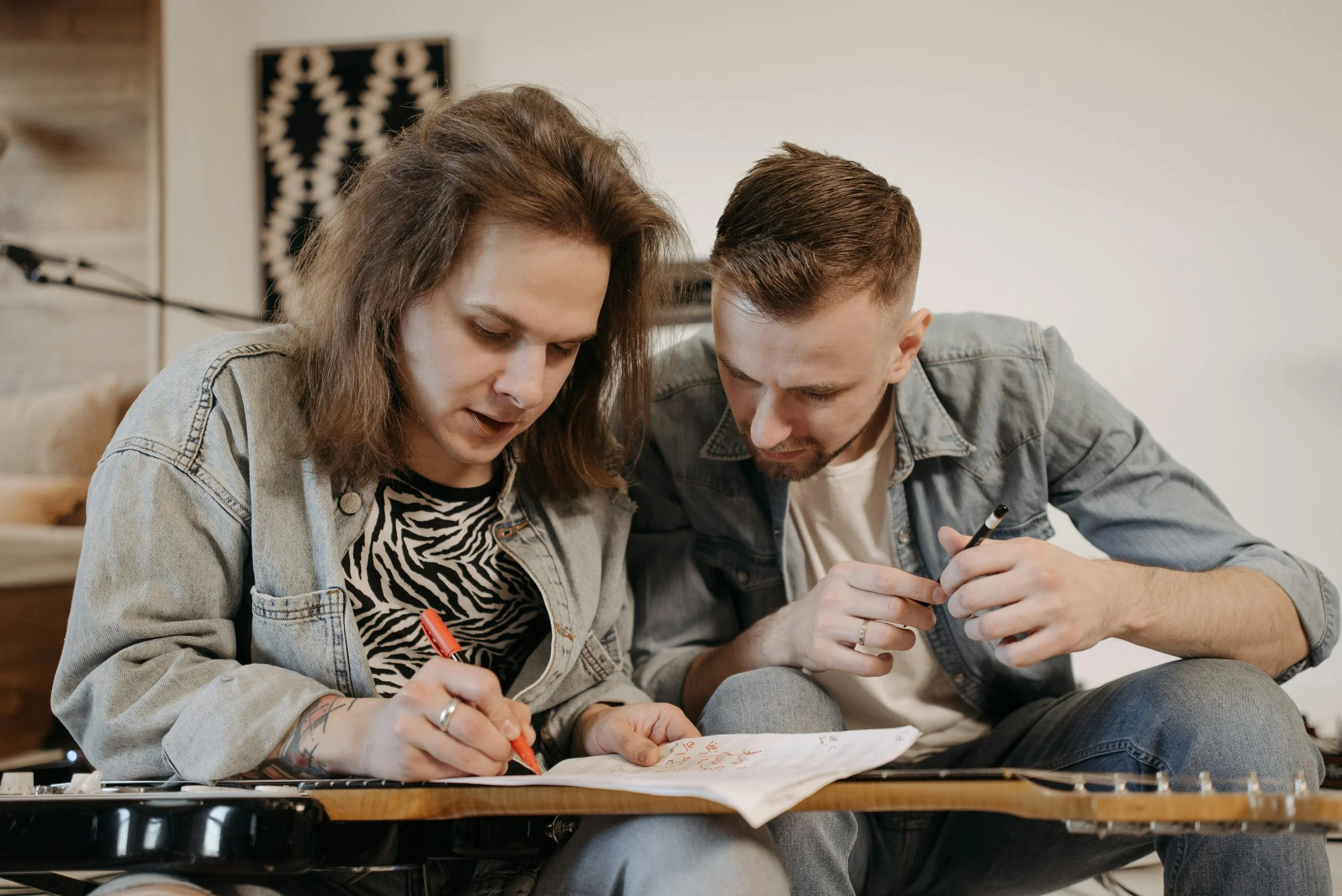
It’s Not the Ensemble. It’s the Decisions.
What if the most important question in music education isn’t what we teach, but who gets to make the decisions? This post explores how the structure of our classrooms shapes the kind of thinking students experience, and why that matters for creativity, ownership, and lifelong music-making.
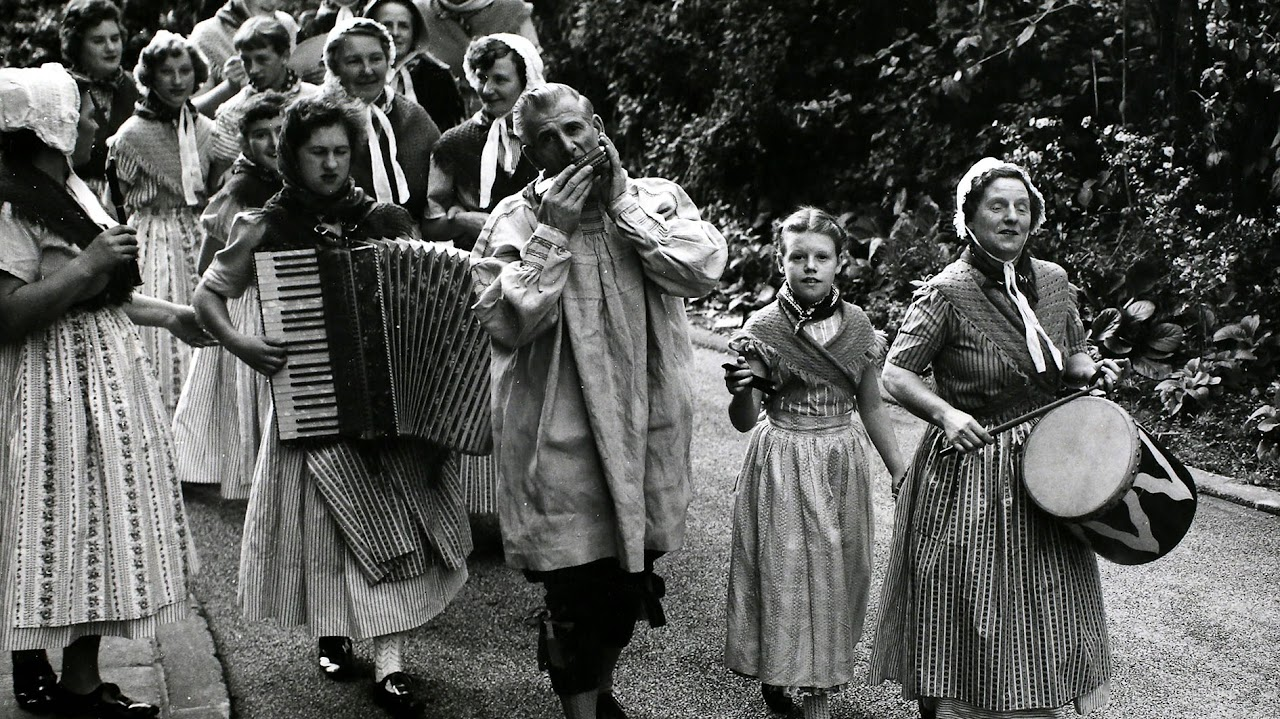
Before the Band Room: What School Music Forgot
School music often centers on large ensembles, but that model represents only a small slice of how humans have historically made music. This article explores how participatory traditions—singing, improvising, and playing in small groups—shaped music for centuries, and why modern band reconnects classrooms with these deeper roots of human music-making.
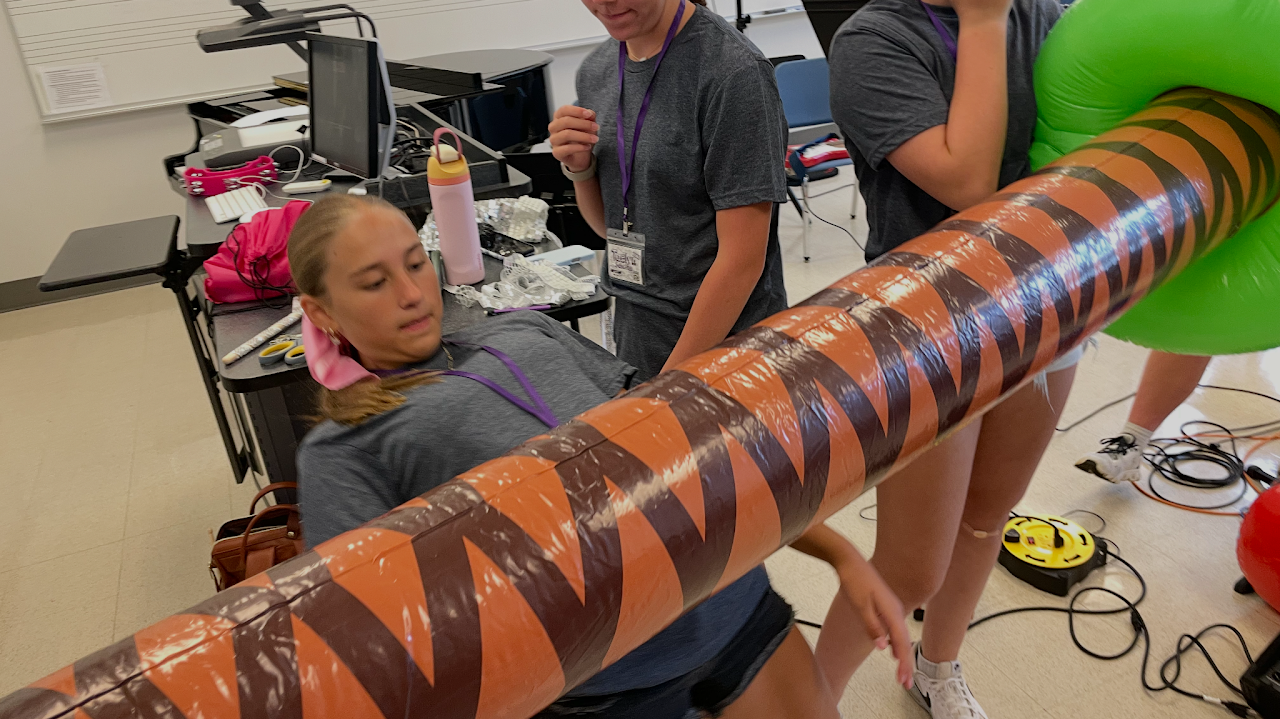
When Rehearsal Means Something Different: Understanding the Functional Differences Between Traditional Ensemble and Modern Band Rehearsals
This article explores the functional differences between traditional ensemble and modern band rehearsals, highlighting how goals, success markers, and rehearsal practices differ across settings. Written for music educators, it offers practical guidance for teaching students how to rehearse and practice effectively in modern band contexts while honoring the strengths of both approaches.
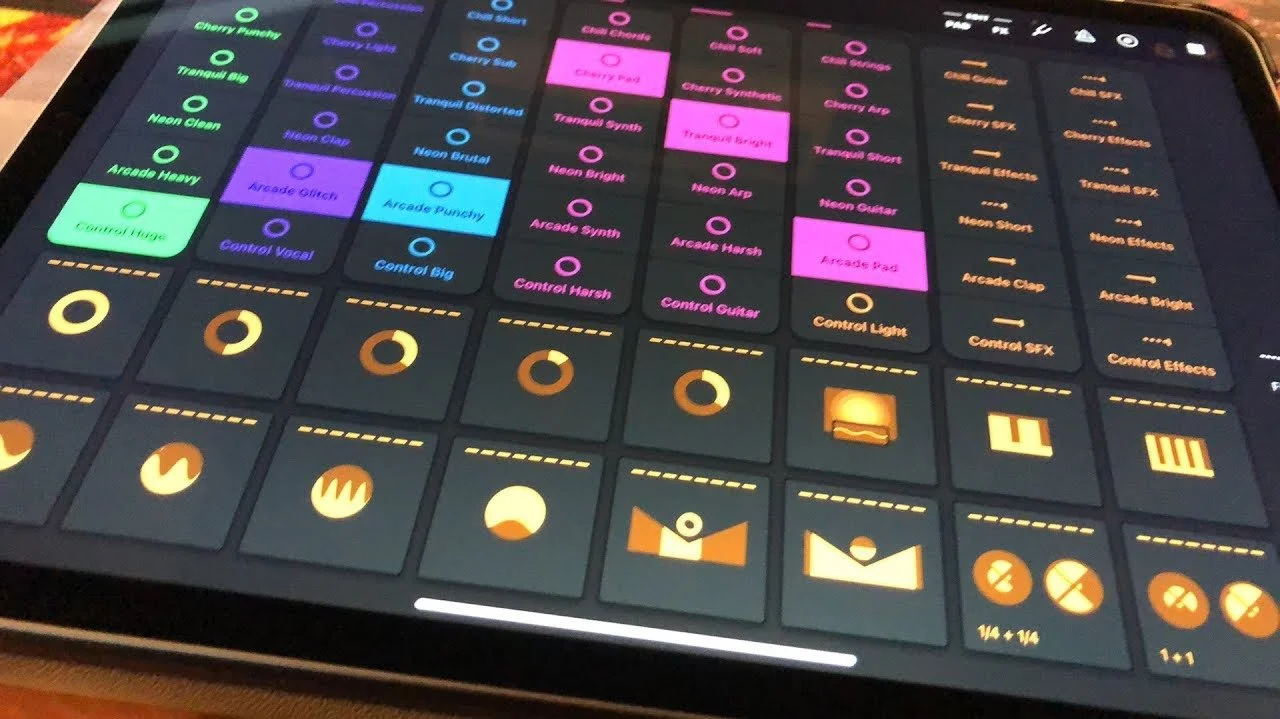
Rehearsing with Loops
Rehearsing with loops can transform the way students learn music. Instead of stopping, correcting, and restarting, looping allows students to repeat passages naturally, just like real practice. With a steady beat, a clear model, and plenty of chances to join in, students build confidence, internalize the sound, and take ownership of their learning. Whether you teach band, orchestra, choir, or modern band, looping offers a simple and powerful way to boost engagement and strengthen musical growth.